Inside the FISA Showdown: Mike Johnson, Section 702, and a Divided Congress
A High-Stakes Debate Over Surveillance and Privacy
In April 2026, a late-night vote in the U.S. House of Representatives placed Speaker Mike Johnson at the center of one of the most consequential national security debates in recent years: the future of the Foreign Intelligence Surveillance Act (FISA), particularly its controversial Section 702.
- A High-Stakes Debate Over Surveillance and Privacy
- What Is FISA—and Why Section 702 Matters
- The 2026 FISA Renewal Crisis
- The Late-Night Vote That Saved FISA—Temporarily
- Why Lawmakers Are Divided
- Mike Johnson’s Role and Political Pressure
- A Broader Pattern of Legislative Gridlock
- What Happens Next
- Why This Debate Matters Beyond Washington
- Conclusion: A Temporary Fix to a Long-Term Question
What unfolded was not just a procedural vote—it was a reflection of deeper political divisions over privacy, national security, and executive power. As lawmakers raced against the clock to prevent the expiration of key surveillance authorities, the outcome exposed fractures within both parties and raised critical questions about the balance between civil liberties and intelligence gathering.
What Is FISA—and Why Section 702 Matters
The Foreign Intelligence Surveillance Act, commonly known as FISA, is a U.S. law that governs how intelligence agencies conduct surveillance, particularly when foreign actors are involved.


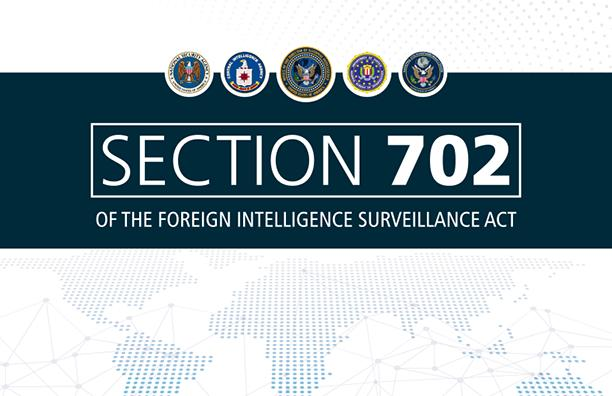
At the center of the current debate is Section 702, a provision that allows U.S. intelligence agencies to collect communications of foreign targets located outside the United States—without obtaining a traditional warrant.
How Section 702 Works
- Enables agencies like the NSA and FBI to monitor foreign communications
- Allows companies such as telecom providers and tech firms to provide data when ordered
- Does not require a warrant when targeting non-U.S. persons abroad
- Can incidentally collect communications involving Americans
This last point is where controversy intensifies. While officials argue the tool is essential for identifying threats, critics warn that Americans’ communications can be swept into surveillance databases without direct authorization.


As described in the legislative debate, the authority permits intelligence agencies to collect “foreign communications without a warrant on domestic soil,” raising persistent concerns about privacy rights.
The 2026 FISA Renewal Crisis
A Deadline That Forced Action
The surveillance authority under Section 702 was set to expire, creating urgency in Congress. Lawmakers had to decide whether to:
- Extend the program long-term
- Reform it with additional safeguards
- Or allow it to lapse
Instead of consensus, what followed was a series of failed proposals and political brinkmanship.
Failed Attempts Before the Final Vote
Throughout the week, lawmakers introduced multiple plans:


- A five-year extension with oversight reforms
- An 18-month extension, backed by President Donald Trump and Speaker Johnson
- Alternative proposals aimed at increasing protections for U.S. citizens
None gained sufficient support.
Roughly 20 Republicans joined most Democrats to block the 18-month extension, highlighting bipartisan skepticism toward the program in its current form.
The Late-Night Vote That Saved FISA—Temporarily
With the deadline looming, Congress shifted strategy.
In a dramatic session that stretched into the early hours, the House approved a 10-day extension of the program shortly after 2 a.m., buying time for further negotiations.
- The extension pushed the expiration deadline to April 30
- It passed via voice vote, avoiding a formal roll call
- The measure was sent to the Senate for approval
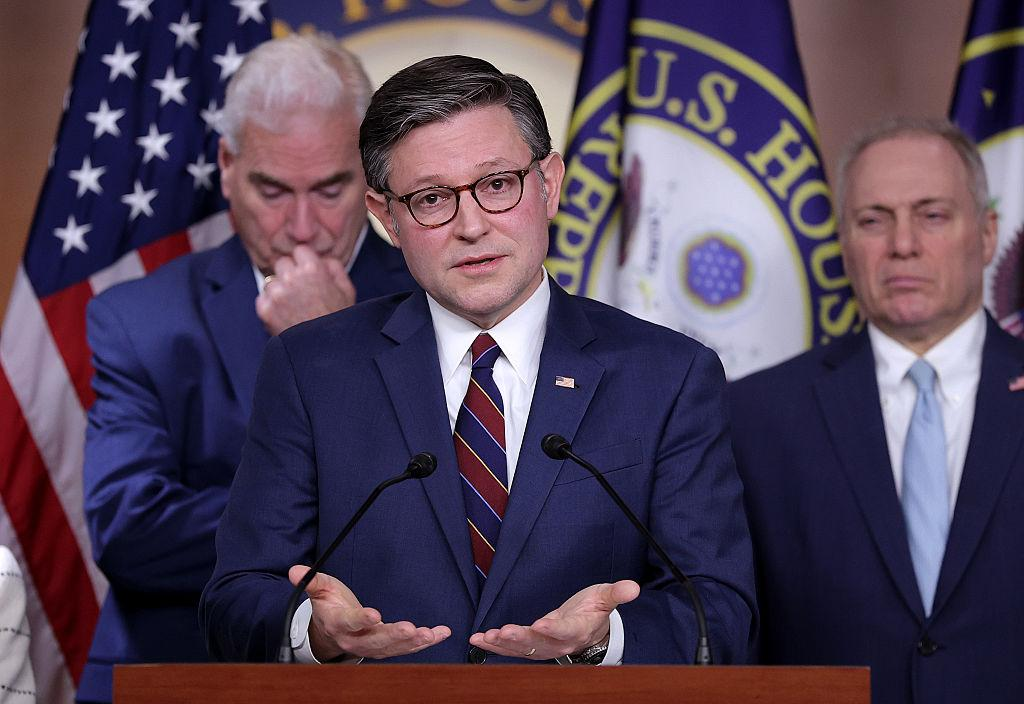
“We were very close tonight,” Johnson said following the vote, acknowledging the narrow path to agreement.
This stopgap measure underscored how deeply divided lawmakers remain—not just across party lines, but within them.
Why Lawmakers Are Divided
National Security Argument
Supporters of Section 702 argue it is indispensable.
Officials claim the program has:
- Helped prevent terrorist attacks
- Enabled tracking of cyber threats
- Provided intelligence on foreign espionage
President Trump emphasized its importance, stating that the military “desperately need FISA 702” to protect both troops and civilians.
Privacy and Civil Liberties Concerns
Critics, however, point to structural risks:
- Collection of Americans’ communications without a warrant
- Historical misuse of surveillance tools
- Lack of transparency and oversight
Past incidents—including improper FBI searches tied to major domestic events—have intensified skepticism.
Some lawmakers insisted that any renewal must include stricter safeguards. One Republican lawmaker explicitly stated opposition to reauthorization without a warrant requirement for U.S. citizens.
Mike Johnson’s Role and Political Pressure
Speaker Mike Johnson’s leadership was tested throughout the process.
Internal Republican Divisions
Johnson faced competing pressures:
- Conservative Republicans demanding stronger privacy protections
- National security advocates pushing for a clean extension
- White House influence urging party unity
With only a slim majority, even small defections threatened any proposal.
The failure of multiple extension plans highlighted the limits of leadership in a divided chamber. Johnson’s final move—supporting a short-term extension—was less a victory than a temporary compromise.
A Broader Pattern of Legislative Gridlock
The FISA vote reflects a broader trend in Washington: difficulty reaching consensus on high-stakes national security issues.
Parallel tensions have also emerged in other policy areas. For example, frustration among lawmakers has grown over stalled funding decisions and legislative delays tied to broader political disagreements.
In both cases, the underlying issue is similar: fragmented political coalitions struggling to align priorities under tight deadlines.
What Happens Next
The 10-day extension is not a solution—it is a pause.
Immediate Next Steps
- The Senate must approve or modify the extension
- Lawmakers must negotiate a long-term reauthorization plan
- Additional reforms may be introduced to address privacy concerns
Possible Outcomes
- Long-Term Renewal Without Major Changes
- Favored by national security officials
- Likely to face resistance
- Reform-Focused Renewal
- Could include warrant requirements or oversight mechanisms
- May gain bipartisan support
- Continued Short-Term Extensions
- Indicates ongoing deadlock
- Creates uncertainty for intelligence agencies
Why This Debate Matters Beyond Washington
The implications extend far beyond Capitol Hill.
For Citizens
- Raises questions about digital privacy and surveillance
- Highlights how personal communications may be collected
For Technology Companies
- Continued obligations to provide data under government orders
- Increasing scrutiny over user privacy
For Global Security
- Affects how the U.S. monitors international threats
- Influences intelligence-sharing relationships
The debate over Section 702 is, ultimately, about defining the limits of state power in the digital age.
Conclusion: A Temporary Fix to a Long-Term Question
The late-night FISA vote in April 2026 illustrates a recurring tension in modern governance: how to protect national security without eroding civil liberties.
Speaker Mike Johnson managed to steer the House away from an immediate lapse in surveillance authority, but the underlying conflict remains unresolved. With lawmakers divided and the clock ticking, the next phase of negotiations will determine whether Section 702 evolves—or becomes a flashpoint in an even larger constitutional debate.
The outcome will shape not only intelligence policy, but also the broader relationship between government oversight and individual privacy in an increasingly connected world.