

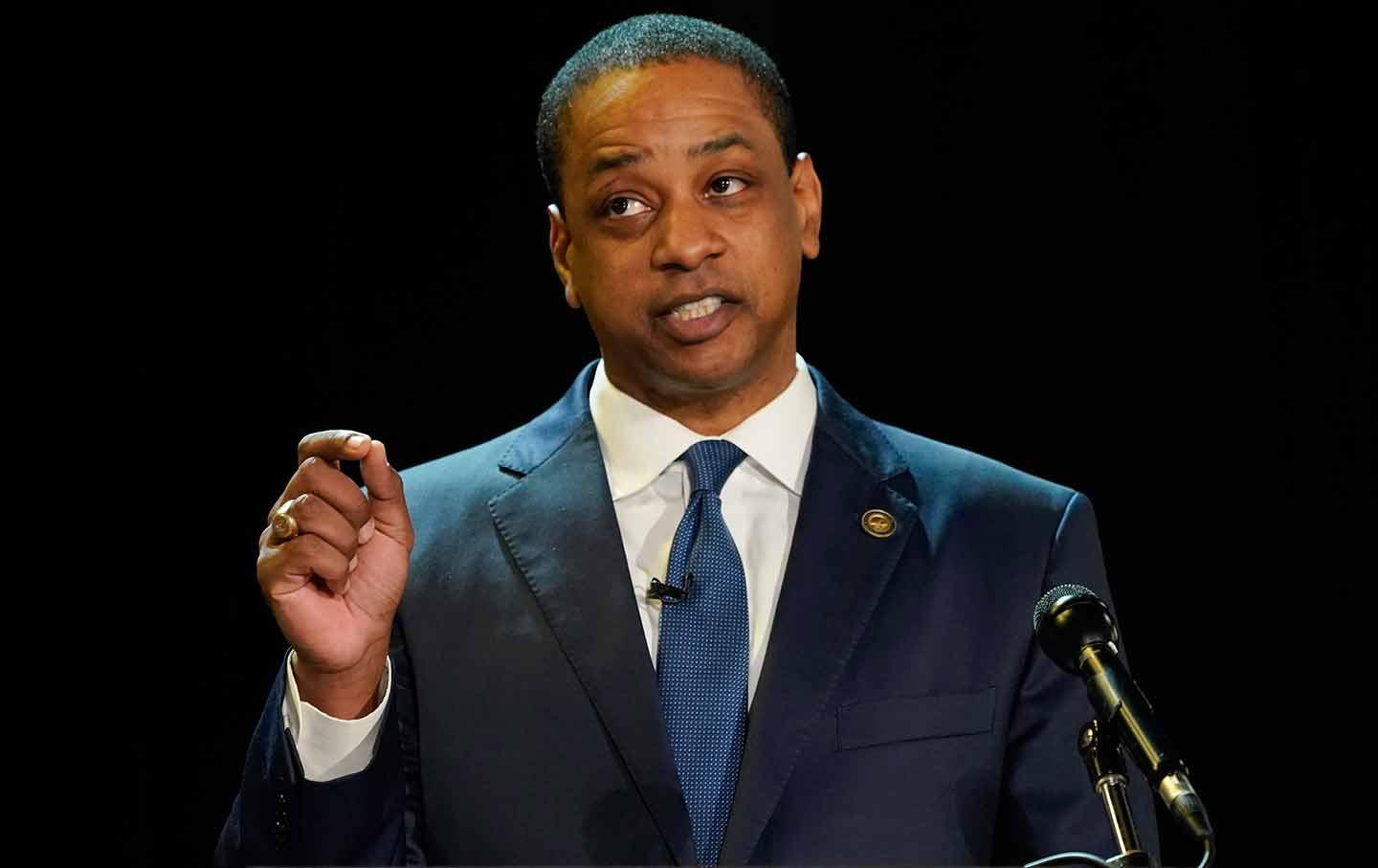
Justin Fairfax: The Rise, Collapse, and Tragic End of a Political Career
A Promising Political Trajectory Interrupted
For a brief moment in early 2019, Justin Fairfax stood on the brink of history. As lieutenant governor of Virginia, he was widely seen as a poised successor to then-governor Ralph Northam, whose administration was engulfed in controversy. Had events unfolded differently, Fairfax could have become only the second Black governor in the state’s history.
Instead, his career took a dramatically different path—one marked by political turmoil, personal struggles, and, ultimately, a tragic and violent end.
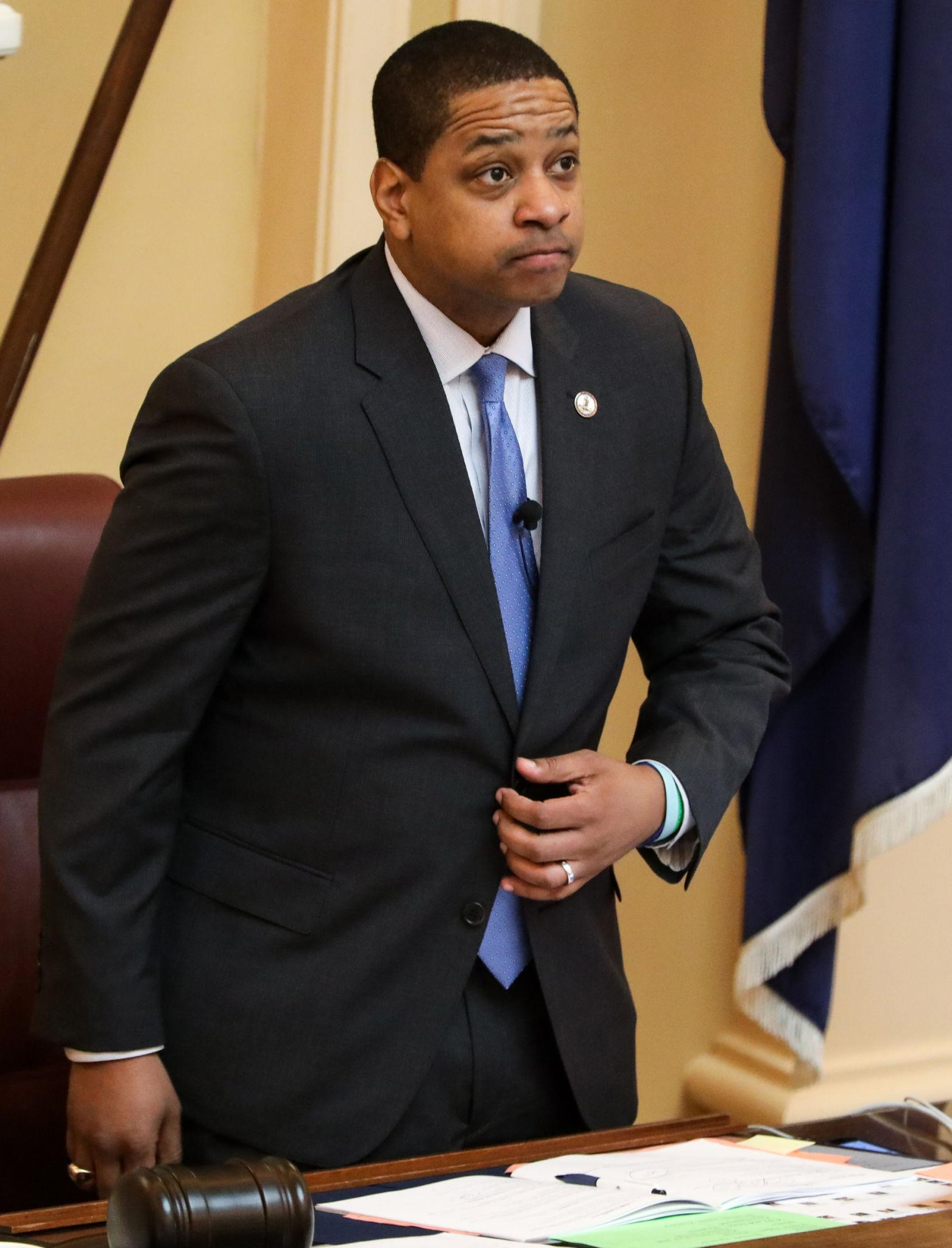
From Legal Career to Statewide Office
Fairfax built his early reputation as a capable legal professional, working as a federal prosecutor and civil litigator. His entry into politics came with an initial setback in 2013, when he unsuccessfully sought the Democratic nomination for attorney general. However, persistence paid off in 2017 when he won the lieutenant governor’s race, running alongside Northam.
During his tenure from 2018 to 2022, Fairfax was regarded as a moderate Democrat capable of navigating divisive political issues. He presided over the Virginia Senate, where he cast tie-breaking votes that influenced legislation on matters such as abortion access and marijuana policy reform.
His political positioning and growing visibility placed him firmly among the Democratic Party’s rising figures at the state level.
The 2019 Turning Point
The defining moment of Fairfax’s political life came during the political crisis surrounding Northam in 2019. As calls mounted for the governor to resign over a racist yearbook photo, Fairfax appeared to be next in line to assume leadership.
However, within days, two women—Vanessa Tyson and Meredith Watson—publicly accused Fairfax of sexual assault stemming from incidents in 2000 and 2004. Fairfax denied the allegations, insisting the encounters were consensual.
The accusations triggered immediate political fallout. Lawmakers from both parties called for his resignation, and what had been a moment of opportunity rapidly turned into a crisis.
Despite the pressure, neither Fairfax nor Northam resigned, and both completed their terms. But the damage to Fairfax’s political prospects proved lasting.
A Career That Never Recovered
Following the allegations, Fairfax’s public standing deteriorated sharply. He lost institutional support, stepped away from his law firm, and faced mounting personal and professional challenges.
His attempt to revive his career came in 2021 when he ran for governor. The campaign, however, struggled under the weight of past controversies. He finished fourth in the Democratic primary, securing less than 4% of the vote.
Court records and accounts from associates later described a period marked by financial strain, heavy alcohol use, and emotional distress. His withdrawal from public life became increasingly evident, with reports indicating he struggled to maintain stability in both his career and personal relationships.
Personal Struggles Behind Closed Doors
In the years following his departure from office, Fairfax’s personal life became increasingly turbulent. He and his wife, Cerina Fairfax, separated but continued living under the same roof while navigating a complicated divorce.
Court filings described ongoing disputes, financial difficulties, and concerns related to alcohol use and mental health. A judge noted that Fairfax had experienced “emotional and psychological issues” and had withdrawn from family life.
The couple’s situation reflected a broader pattern often seen in high-conflict separations—where proximity, unresolved disputes, and stress can escalate tensions.
The Final Incident: A Tragic Conclusion
In April 2026, events reached a devastating conclusion. Authorities reported that Fairfax shot and killed his wife inside their home in Annandale, Virginia, before taking his own life. Their two teenage children were present in the house at the time and survived physically unharmed.
Police indicated the incident occurred amid an ongoing divorce and just weeks before a court-ordered deadline for Fairfax to move out of the family home.
Emergency dispatch audio revealed the immediate aftermath, with the couple’s son calling for help as the situation unfolded. Officials later confirmed that the shooting stemmed from a domestic dispute described as a “complicated or messy divorce.”
The deaths prompted widespread reactions from political leaders and community members, many expressing shock and emphasizing the devastating impact on the couple’s children.
Political Legacy and Public Impact
Despite the controversies that overshadowed his career, Fairfax’s time in office included notable policy influence. As presiding officer of the state Senate, he played a role in advancing legislation related to criminal justice reform, voting rights, and healthcare access.
His early advocacy and legislative actions left a measurable imprint on Virginia’s political landscape, even as his later years were defined by personal and professional decline.
Broader Implications: Power, Pressure, and Personal Collapse
Fairfax’s trajectory reflects a broader pattern seen in public life: rapid political ascent followed by equally rapid decline under the weight of scandal and personal challenges.
The intersection of public scrutiny, legal battles, and private struggles can create conditions that are difficult to manage, particularly when compounded over time. In Fairfax’s case, these pressures appeared to converge in ways that ultimately proved catastrophic.
His story also underscores the risks associated with unresolved domestic conflict, especially during periods of separation—often cited as among the most volatile phases in a relationship.
Conclusion
Justin Fairfax’s life presents a stark contrast between early promise and tragic outcome. From a rising political figure with statewide influence to a deeply troubled individual facing personal and legal challenges, his story unfolded across both public and private arenas.
The final chapter—marked by violence and loss—has left a lasting impact not only on his family but also on the broader community that once viewed him as a symbol of political potential.


