

Haifa Under Pressure: A Strategic City at the Crossroads of Conflict and Daily Life
A City of Contrasts in Focus
Haifa, Israel’s third-largest city, has long stood as a symbol of coexistence, industrial strength, and cultural diversity. Nestled along the Mediterranean coast and rising up the slopes of Mount Carmel, it blends residential neighborhoods, critical infrastructure, and globally recognized landmarks such as the Bahá’í Gardens.
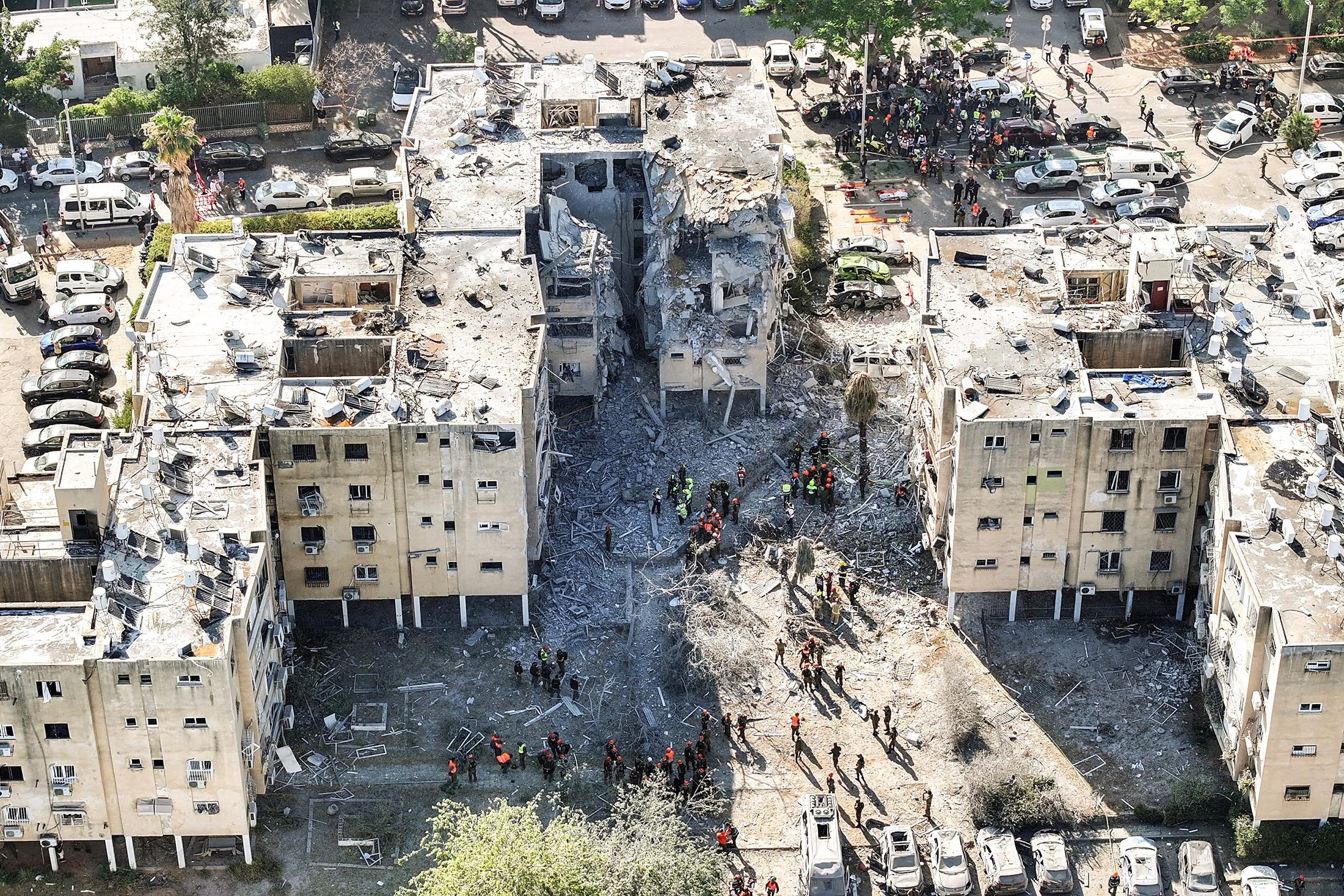
Yet in recent weeks, Haifa has increasingly found itself at the center of security concerns and geopolitical tension. A series of incidents—from espionage allegations targeting strategic sites to a deadly missile strike affecting civilians—has brought renewed attention to the city’s dual identity as both a civilian hub and a strategic asset.
Security Concerns Intensify: Espionage Case Targets Haifa Infrastructure
A major development placing Haifa in the spotlight involves a suspected espionage operation linked to Iranian intelligence networks.
Israeli authorities confirmed that a joint operation between the Shin Bet and Israel Police led to the arrest of an Israeli citizen, Shuma Abu Aabed, from Nazareth. She is suspected of carrying out intelligence-gathering activities on behalf of a foreign agent.
Key Findings from the Investigation
- The suspect allegedly photographed sensitive sites, including:
- Israel Defense Forces bases
- The Haifa oil refineries
- She reportedly passed information about a former member of Israel’s security establishment
- Contact with the foreign agent began in October and continued over several months
- Payments were made through a digital wallet, with authorities recovering hundreds of dollars
Investigators concluded that the suspect continued her activities despite suspecting early on that she was being handled by an Iranian operative.
Authorities have filed an indictment and requested her detention until the end of legal proceedings.
Broader Pattern
Security officials noted a marked increase in recruitment attempts by Iranian intelligence, particularly since Operation Rising Lion. Citizens were warned against engaging with unknown foreign contacts or accepting assignments, emphasizing that such actions pose both national security risks and severe legal consequences.
Civilian Impact: Missile Strike Highlights Vulnerability
Parallel to the espionage case, Haifa has also experienced direct consequences of ongoing regional conflict.
On April 5, a missile strike hit a residential area in the city, resulting in casualties, including a foreign national.
Human Cost of Conflict
- Victim identified as Lucille Jean Gersovich, a Filipino national
- The attack targeted a home in a civilian neighborhood
- Her remains were repatriated to the Philippines following coordinated efforts by diplomatic authorities
The incident underscores the risks faced by civilians—particularly foreign nationals—in conflict-affected zones. It also highlights the logistical and diplomatic processes involved in responding to such tragedies.
Government Response
Officials reiterated their commitment to protecting citizens abroad and urged nationals in high-risk areas to:
- Remain vigilant
- Maintain contact with embassies
- Follow safety advisories
Local Incidents Reflect Heightened Tensions
Beyond large-scale developments, smaller but notable incidents suggest a broader climate of tension within the city.
Authorities reported that offensive materials were placed at the entrance to a Health Bureau facility in Haifa, prompting a police investigation. While limited in scale, such actions contribute to an atmosphere of unease and reflect underlying social and political strains.
Strategic Importance: Why Haifa Matters
Haifa’s prominence in these developments is not incidental. The city plays a critical role in Israel’s infrastructure and defense ecosystem.
Key Strategic Features
- Industrial Hub: Home to major oil refineries and energy infrastructure
- Port City: One of Israel’s largest and most vital maritime gateways
- Military Significance: Proximity to key defense installations
- Population Diversity: A mixed Jewish-Arab population contributing to its social complexity
These characteristics make Haifa both an economic engine and a strategic target, particularly in periods of heightened geopolitical friction.
Social and Cultural Layer: A City Beyond Conflict
Despite current challenges, Haifa remains a cultural and social center known for:
- Religious coexistence across Jewish, Muslim, and Christian communities
- Academic institutions and research centers
- Tourism driven by its coastal setting and heritage sites
This duality—between stability and vulnerability—defines the city’s current narrative.
Implications: Security, Society, and International Dimensions
The convergence of espionage activity, missile attacks, and localized incidents suggests a multi-layered challenge.
Security Implications
- Increased surveillance and counterintelligence operations
- Heightened public awareness and caution regarding foreign contacts
Social Impact
- Rising anxiety among residents
- Strain on community cohesion in a diverse urban environment
International Dimension
- Diplomatic involvement in civilian incidents
- Global attention to the safety of foreign nationals
What Comes Next: A City at a Critical Juncture
Looking ahead, Haifa’s trajectory will likely depend on several factors:
- The effectiveness of security agencies in preventing further infiltration
- Developments in regional tensions, particularly involving Iran
- Measures taken to protect civilians and maintain public confidence
The city’s resilience—historically rooted in its diversity and economic strength—will be tested as it navigates these overlapping pressures.
Conclusion
Haifa stands at a complex intersection of security, geopolitics, and everyday life. The recent espionage case and missile strike illustrate how quickly global tensions can manifest at the local level. At the same time, the city’s enduring role as a cultural and economic hub highlights its capacity to absorb and respond to such challenges.
The unfolding situation positions Haifa not just as a backdrop to regional conflict, but as a central actor in understanding its human and strategic consequences.


