

Jerome Powell at the Center of Power: Markets, Politics, and the Fight for Fed Independence
A High-Stakes Moment for the Federal Reserve
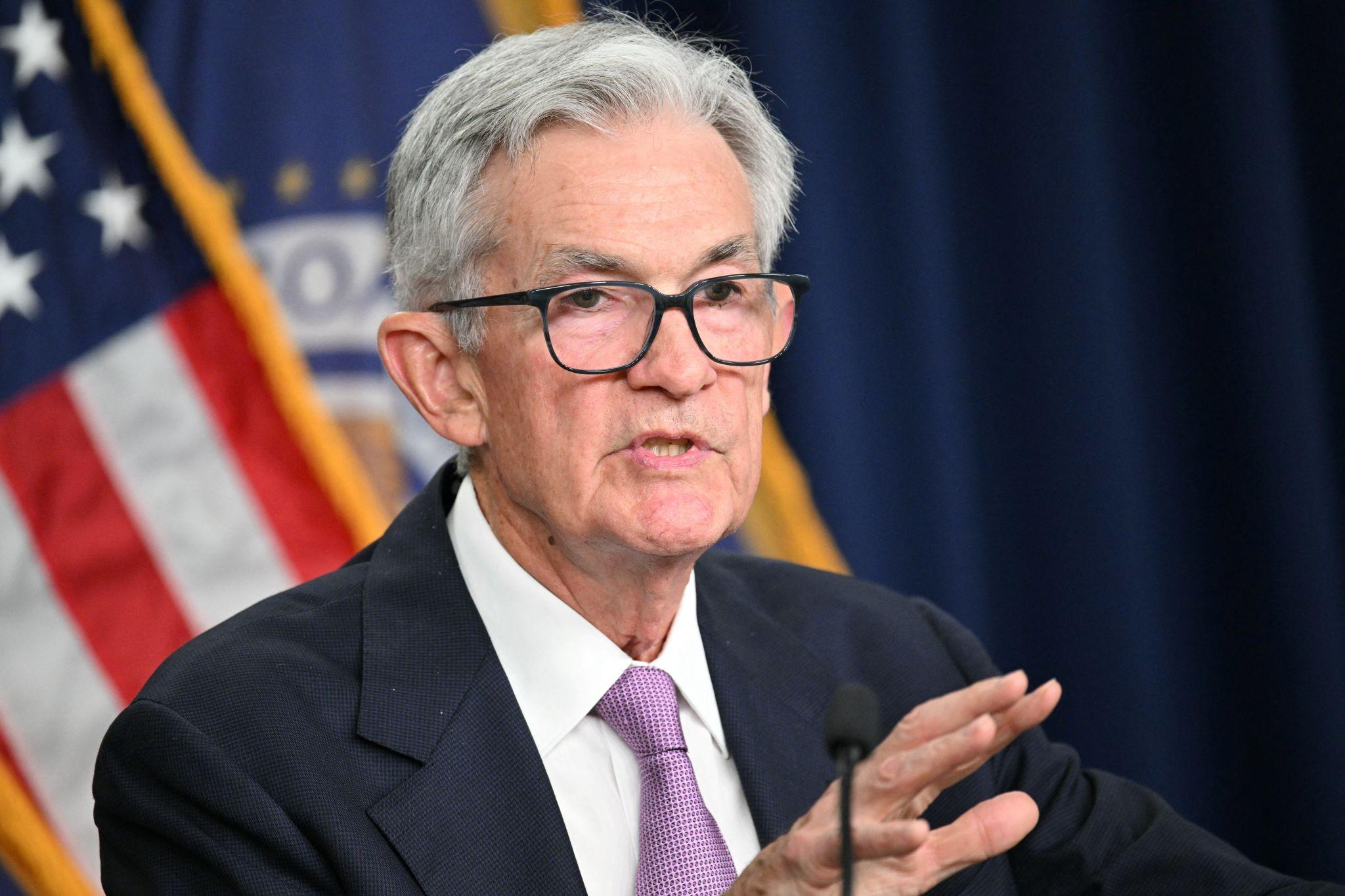
Few figures in global finance command as much scrutiny as Jerome Powell. As Chair of the Federal Reserve, Powell sits at the intersection of economic policy, political pressure, and market expectations. In 2026, that intersection has become unusually tense.
A growing confrontation with Donald Trump—centered on interest rates, leadership authority, and a federal investigation—has pushed Powell into one of the most politically charged periods of his tenure. The outcome could shape not only the future of the Federal Reserve but also the broader perception of central bank independence in the United States.
The Core Conflict: Interest Rates vs. Political Pressure
At the heart of the dispute lies a familiar economic debate with unusually high political stakes: whether to cut interest rates.
President Trump has repeatedly urged the Federal Reserve to reduce rates to stimulate economic growth. Powell, however, has resisted making policy decisions based on political demands, instead maintaining that rate adjustments must be guided by economic data and long-term stability.
This divergence has fueled months of tension. Trump has publicly criticized Powell’s leadership, arguing that the central bank has been “too slow” to act on rate cuts that could boost the economy.
The disagreement is not merely technical—it reflects fundamentally different views about the role of monetary policy:
- The White House prioritizes short-term economic acceleration.
- The Federal Reserve emphasizes inflation control and institutional independence.
This divide has now escalated beyond policy disagreements into questions about Powell’s position itself.
The Threat of Removal: A Break from Tradition
In April 2026, the situation intensified when President Trump openly signaled the possibility of firing Powell if he remains in his role beyond the end of his chairmanship term.
“If he doesn’t leave… then I’ll have to fire him,” Trump said during an interview.
Powell’s term as Fed Chair is set to expire on May 15, but he has indicated that he may remain temporarily until a successor is confirmed—a move consistent with past precedent.
The prospect of a president removing a sitting Federal Reserve chair is highly unusual and would represent a significant departure from long-standing norms. Historically, the Fed has operated with a degree of insulation from political interference, allowing it to make decisions based on economic conditions rather than electoral considerations.
Legal experts and lawmakers have emphasized that removing a Fed chair requires “cause,” typically tied to misconduct, not policy disagreements.
The Investigation: A $2.5 Billion Question
Complicating matters further is an ongoing investigation into a $2.5 billion renovation project at the Federal Reserve’s headquarters.
Federal prosecutors recently attempted to access the construction site, highlighting the administration’s continued focus on the project and its cost overruns.
Key details include:
- The project’s cost has risen from an estimated $1.9 billion in 2022 to $2.5 billion.
- The investigation centers on Powell’s testimony regarding these overruns.
- Prosecutors have acknowledged that they have not found evidence of a crime so far.
Despite the lack of confirmed wrongdoing, the probe has become a focal point in the broader conflict. Trump has defended the investigation, stating:
“Don’t you think we have to find out what happened there? I have to find out.”
Powell, on the other hand, has suggested that the investigation risks undermining the Federal Reserve’s independence.
The Succession Battle: Kevin Warsh and Political Gridlock
The uncertainty surrounding Powell’s position is closely tied to the nomination of Kevin Warsh as his potential successor.
Warsh’s confirmation process has become entangled in political negotiations:
- Senator Thom Tillis has threatened to block the nomination unless the investigation into Powell is dropped.
- The Senate Banking Committee remains divided, making confirmation uncertain.
- Hearings for Warsh are scheduled, but his path forward is far from guaranteed.
This dynamic has created a paradox:
- The investigation intended to scrutinize Powell may actually delay his departure.
- The political pressure to replace him may strengthen his position in the short term.
Market Sensitivity and Economic Implications
Financial markets have been closely monitoring the situation, recognizing the potential consequences of political interference in monetary policy.
Even earlier suggestions that Powell could be removed caused declines in stock markets and the U.S. dollar, reflecting investor concern about instability at the Federal Reserve.
The stakes are significant:
- Interest rate policy affects inflation, borrowing costs, and global capital flows.
- Perceived loss of Fed independence could erode confidence in U.S. financial governance.
- Leadership uncertainty may complicate long-term economic planning.
For global economies—including emerging markets—decisions made by the Federal Reserve have ripple effects on exchange rates, investment flows, and economic growth.
A Broader Question: Can the Fed Remain Independent?
Beyond the immediate conflict, the situation raises a deeper institutional question: how resilient is the Federal Reserve’s independence in a politically charged environment?
Powell himself has consistently emphasized that the central bank must remain separate from political influence. His stance reflects a long-standing principle that monetary policy should be insulated from short-term political cycles.
However, the current developments suggest that this independence is being tested in unprecedented ways:
- Public criticism from the executive branch
- Legal and investigative pressure
- Direct threats of removal
At the same time, bipartisan voices—including some within the president’s own party—have expressed skepticism about the investigation and concern over its implications.
What Happens Next?
Several key developments will determine the trajectory of this unfolding situation:
- Warsh’s Confirmation Process
The Senate’s decision will influence whether a leadership transition occurs smoothly or becomes further politicized. - Resolution of the Investigation
Whether the probe concludes quickly—or continues without clear findings—will shape perceptions of legitimacy. - Powell’s Tenure Beyond May
His decision to remain or step aside could trigger legal and constitutional debates. - Potential Legal Challenges
Any attempt to remove Powell could lead to court battles over presidential authority and central bank independence.
Conclusion: A Defining Chapter for Jerome Powell
Jerome Powell’s tenure was already defined by historic challenges—from pandemic-era economic shocks to inflation battles. Now, it faces a different kind of test: political confrontation at the highest level.
The clash between economic policy discipline and political urgency has placed Powell at the center of a broader institutional debate. Whether he remains in office or is replaced, the implications will extend far beyond one individual.
This moment is not just about interest rates or leadership transitions. It is about the future boundaries of political influence over economic institutions—and how resilient those institutions remain under pressure.


