

Serbia at a Crossroads: Military Ambitions, Economic Stakes, and Strategic Balancing
A Nation Redefining Its Role in a Changing World
In 2026, Serbia finds itself navigating a complex geopolitical and economic landscape. Positioned at the heart of the Balkans, the country is simultaneously modernizing its military, attracting foreign investment, and managing delicate relationships with global powers. Recent developments—from a new defense partnership with Israel to growing mining investments and legal victories in international arbitration—highlight a nation actively reshaping its future.
This moment reflects more than isolated policy decisions. It signals a broader strategic recalibration as Serbia balances its European aspirations with longstanding ties to Eastern partners.
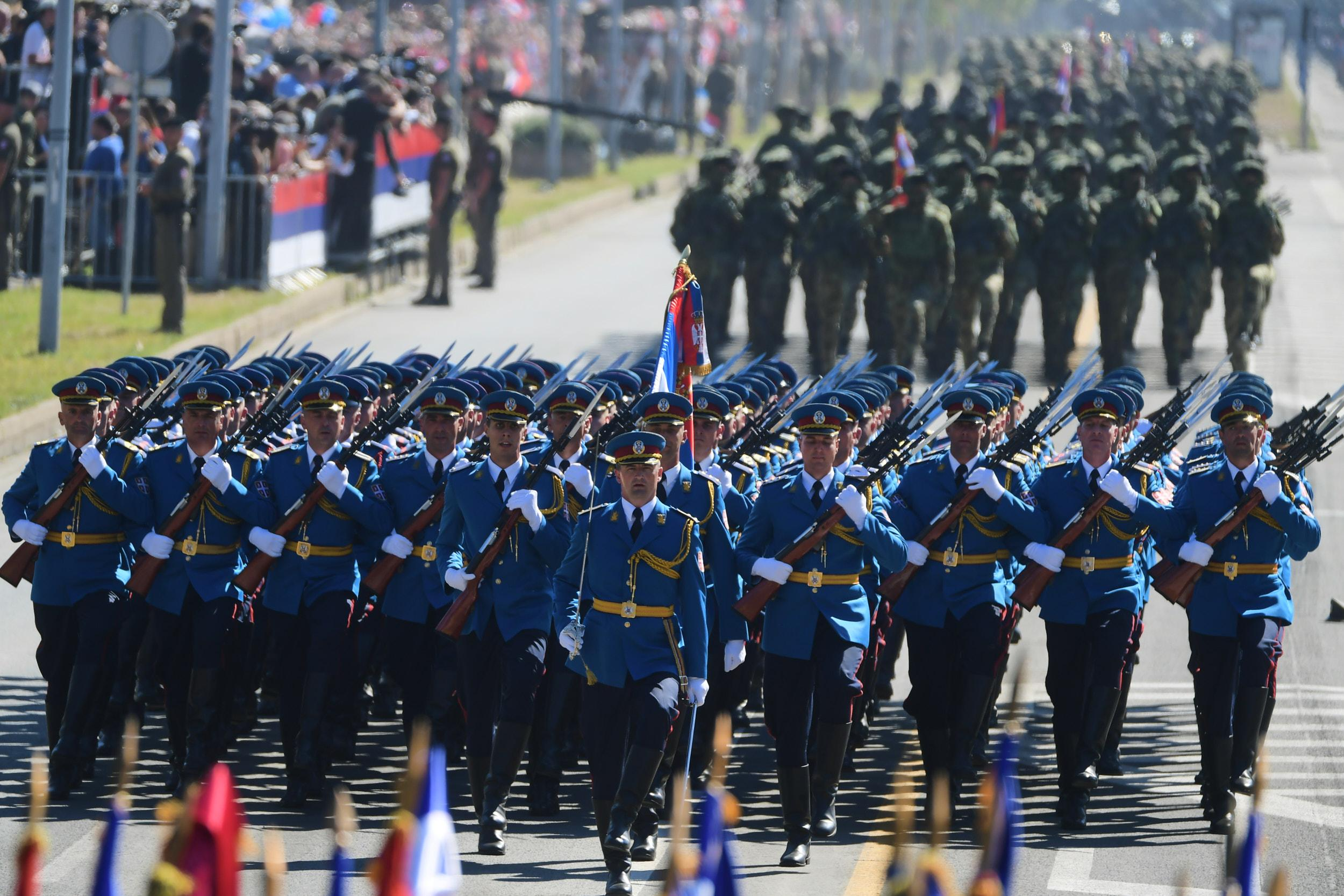
Military Modernization: A Strategic Pivot Toward Drone Warfare
One of the most significant recent developments is Serbia’s agreement to jointly produce combat drones with Israel. President Aleksandar Vučić has framed the initiative as a critical step toward strengthening national defense capabilities.
“We will have the best drones in this part of the world,” he stated, emphasizing their effectiveness in targeting armored vehicles. While specific production details remain limited, the collaboration is expected to involve a shared structure, described as “half-half, 50-50,” enabling Serbia to acquire both technology and expertise.
The project will reportedly involve the state arms producer Yugoimport SDPR and Israel’s Elbit Systems, with the latter holding a majority stake in a planned production facility. This partnership is not only about procurement but also knowledge transfer—an effort to build domestic capabilities in advanced military technology.
Complementing this initiative, Serbia is restructuring its armed forces to include specialized drone units. The aim is to integrate long-range attack drones and loitering munitions into its military doctrine, reflecting the realities of modern warfare.
Defense spending underscores this ambition. Serbia has allocated approximately 3.3% of its GDP to defense in 2026, while maintaining a standing force of around 22,500 troops.
Expanding Arsenal: A Multi-Directional Procurement Strategy
Serbia’s military modernization extends beyond drones. The country has pursued an extensive procurement program across multiple international partners:
- Acquisition of 12 French-made Rafale fighter jets in 2024
- Purchase of Israeli artillery systems and Hermes drones valued at $335 million
- Additional investments of around $1.6 billion in missiles, drones, and electronic warfare systems
- Procurement of aircraft and helicopters from Airbus
- Continued acquisition of Chinese and Russian military equipment
This diversified sourcing reflects Serbia’s policy of military neutrality. While the country seeks European Union membership, it maintains strong defense and economic ties with Russia and China, as well as growing cooperation with Western partners.
However, this rearmament has raised concerns among neighboring countries such as Croatia, Bosnia, and Kosovo, which view the buildup as a potential risk to regional stability. Serbian officials have rejected such claims, positioning their efforts as defensive and modernization-driven.
Economic Developments: Foreign Investment and Resource Potential
Beyond defense, Serbia’s economy is attracting increasing international attention, particularly in the mining sector.
China’s Zijin Mining Group has expanded its footprint in Serbia by raising its stake in Strickland Metals to 5.55%, becoming one of the company’s largest shareholders.
The investment centers on the Rogozna project in southern Serbia, a site with significant gold and base metal reserves. The project spans approximately 184 square kilometers and includes multiple deposits, with total resources estimated at over 5 million ounces of gold equivalent.
This development highlights Serbia’s growing role as a resource hub in Southeast Europe. The proceeds from recent funding rounds will support extensive drilling programs and a pre-feasibility study scheduled for 2027.
Zijin’s broader presence in Serbia includes copper and gold mining operations, reinforcing the country’s importance in global supply chains for critical minerals.
Legal Victory: Defending Economic Interests on the Global Stage
Serbia has also demonstrated resilience in international legal disputes. In a recent case before the International Centre for Settlement of Investment Disputes, the country successfully defended itself against a €175 million claim filed by a Swiss outdoor advertising company.
The dispute centered on alleged exclusive billboard rights in Belgrade. Serbia’s victory not only avoids significant financial liability but also strengthens its position as a jurisdiction capable of managing complex investor-state arbitration cases.
Such outcomes are critical for maintaining investor confidence, particularly as Serbia continues to attract foreign capital across multiple sectors.
Strategic Balancing: Between East, West, and Neutrality
Serbia’s current trajectory reflects a careful balancing act. The country remains officially neutral, avoiding NATO membership while cooperating with the alliance and pursuing European Union accession.
At the same time, it maintains close ties with Russia and China—relationships rooted in historical, political, and economic considerations. This multi-vector foreign policy allows Serbia to diversify partnerships but also requires constant diplomatic calibration.
The legacy of the 1999 NATO bombing campaign continues to influence public sentiment and policy decisions, reinforcing the country’s cautious approach to military alliances.
Societal and Regional Implications
The combination of military expansion and economic growth carries significant implications:
- Regional security: Increased defense capabilities may shift the strategic balance in the Balkans, raising tensions but also potentially deterring conflict.
- Economic opportunity: Investments in mining and technology sectors could drive job creation and infrastructure development.
- Technological advancement: Collaboration with international partners accelerates Serbia’s transition toward high-tech industries.
- Political dynamics: Domestic and international perceptions of Serbia’s policies will shape its path toward EU integration.
At the same time, internal challenges—such as political protests and concerns about media freedom—remain part of the broader national conversation.
Looking Ahead: A Defining Decade for Serbia
Serbia’s current initiatives suggest a long-term vision focused on modernization, economic diversification, and strategic autonomy. The integration of advanced military technologies, coupled with increased foreign investment, positions the country as a rising regional actor.
However, the path forward is not without risks. Balancing competing alliances, managing regional sensitivities, and sustaining economic growth will require careful policy execution.
What is clear is that Serbia is no longer operating on the margins of European geopolitics. Instead, it is actively shaping its role—leveraging its geographic position, economic potential, and strategic partnerships to define its place in a rapidly evolving global order.


