Public Holidays in South Africa: A Practical Guide to Key Dates, Voting Days, and National Significance
Public holidays in South Africa are more than just days off work—they are deeply tied to the country’s political history, democratic processes, and cultural identity. From commemorating historic milestones to enabling civic participation, these dates shape both the national calendar and everyday life.
- Understanding Public Holidays in South Africa
- A Unique Addition: Election Day as a Public Holiday
- How Election Holidays Fit into the National Calendar
- The Broader Context: Public Holidays and National Life
- Public Holidays and Politics: A Growing Intersection
- What Residents Should Expect in 2026
- Looking Ahead: The Future of Public Holidays in South Africa
- Conclusion
This guide unpacks how public holidays in South Africa function, highlights recent developments—including the announcement of a special voting holiday—and explains what residents and businesses need to know.
Understanding Public Holidays in South Africa
South Africa’s public holidays are regulated by law and are observed nationwide. These dates typically fall into three categories:


- Historical commemorations (e.g., Freedom Day)
- Cultural and religious observances (e.g., Christmas Day)
- Civic and political events (e.g., election days)
They serve multiple purposes—honoring the past, fostering unity, and supporting democratic engagement.
A Unique Addition: Election Day as a Public Holiday
One of the most significant developments in recent years is the use of election days as official public holidays.


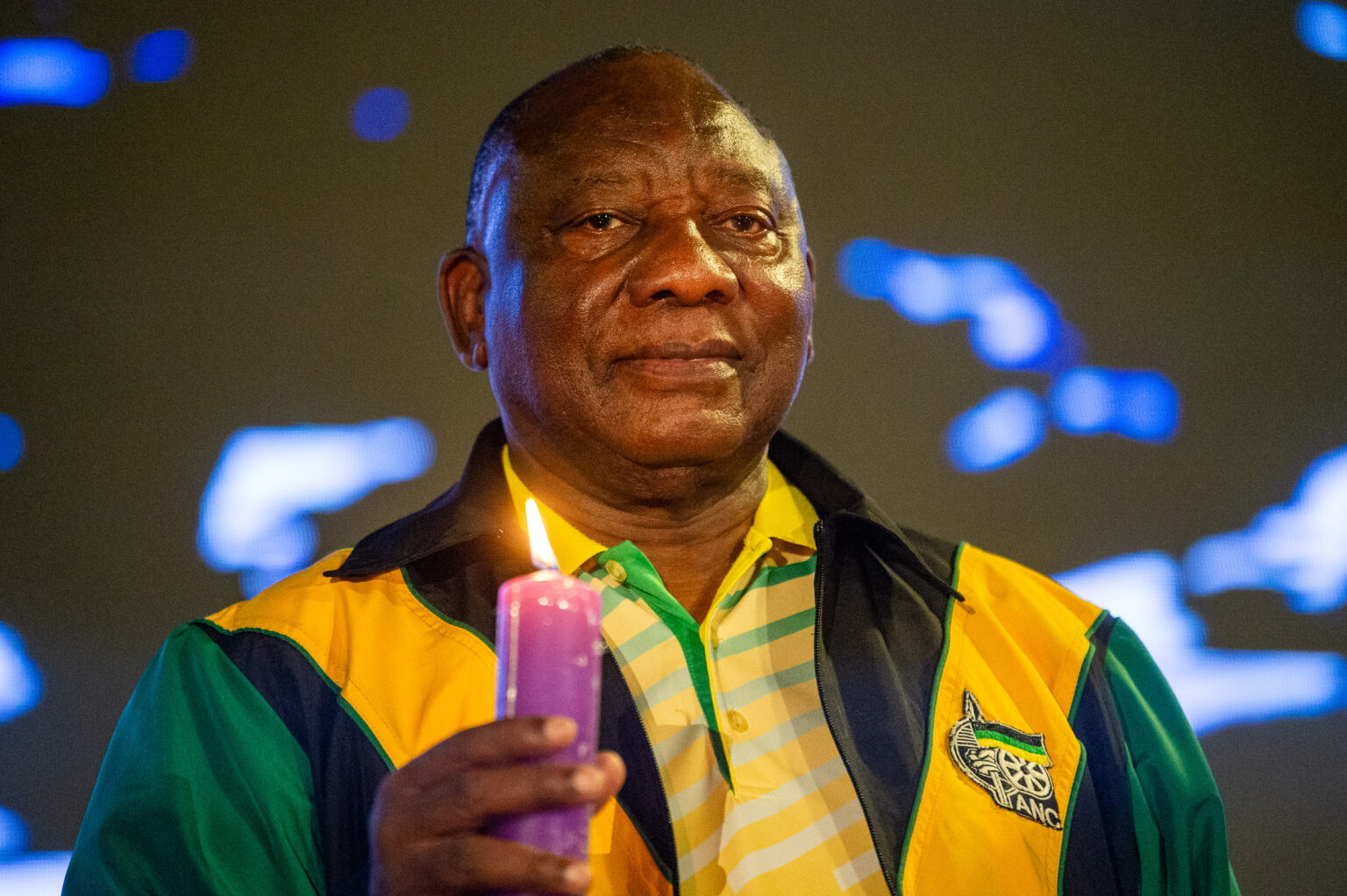
In 2026, President Cyril Ramaphosa confirmed that the local government elections will take place on Wednesday, 4 November 2026, and importantly, the day will be declared a public holiday to allow citizens to vote.
This decision follows a longstanding democratic principle in South Africa: ensuring that all eligible voters have the opportunity to participate without work-related constraints.
Why Election Days Become Public Holidays
Declaring election day a public holiday serves several key objectives:
- Maximizing voter turnout by removing workplace barriers
- Promoting democratic participation across all regions
- Ensuring fairness and accessibility in the electoral process
As Ramaphosa emphasized, holding the election midweek ensures accessibility while maintaining consistency with previous voting traditions.


How Election Holidays Fit into the National Calendar
Unlike fixed public holidays such as Human Rights Day or Heritage Day, election holidays are event-based. They are:
- Announced by the President
- Gazetted officially by the relevant ministry
- Temporary additions to the annual public holiday schedule
For 2026, the election holiday on 4 November will stand alongside the standard list of national holidays, making it a particularly important year for civic engagement.
The Broader Context: Public Holidays and National Life
Public holidays in South Africa play a vital role beyond leisure. They impact:
1. The Economy
Markets, banks, and businesses often adjust operations on public holidays. For instance, financial markets and currency trading activity may slow, as seen when the rand traded around R16.68 to the dollar on a recent public holiday.
2. Workforce Planning
Employers must account for public holidays in scheduling, overtime calculations, and compliance with labor laws.
3. Tourism and Travel
Holiday periods often drive domestic travel, especially during long weekends created by strategically placed public holidays.
Public Holidays and Politics: A Growing Intersection
The 2026 local government elections highlight how public holidays increasingly intersect with political developments.
The upcoming election is expected to be highly contested, particularly in major metropolitan municipalities such as Johannesburg, Tshwane, and Ekurhuleni. Political parties are already mobilizing, with new entrants like the uMkhonto weSizwe Party preparing for their first local government contest.
By designating election day as a public holiday, the government ensures that:
- Political competition is matched by broad citizen participation
- Voters can engage without logistical constraints
- The democratic process remains inclusive
What Residents Should Expect in 2026
For individuals and households, the inclusion of an election public holiday means:
- A midweek break on Wednesday, 4 November
- An opportunity to participate in local governance decisions
- Adjustments to normal business operations, including banking and retail hours
Additionally, the Electoral Commission has already scheduled voter registration weekends (starting 20–21 June), signaling a structured lead-up to the national voting day.
Looking Ahead: The Future of Public Holidays in South Africa
While traditional public holidays remain fixed, the use of event-driven holidays, particularly for elections, may continue to evolve.
Key trends to watch include:
- Greater alignment between public holidays and civic participation goals
- Potential expansion of special-purpose holidays tied to national events
- Ongoing debates about the economic impact of additional holidays
As South Africa navigates political transitions and economic challenges, public holidays will remain a strategic tool—balancing productivity with participation.
Conclusion
Public holidays in South Africa are far more than calendar markers—they are instruments of democracy, culture, and national identity. The announcement of the 4 November 2026 election as a public holiday underscores their evolving role in enabling civic engagement.
As the country prepares for a pivotal local government election, this additional holiday highlights a central principle: democracy works best when everyone has the chance to participate.