
City of Ekurhuleni Metropolitan Municipality: Power, Politics, and a City at a Crossroads
A Metro of Strategic Importance in South Africa
The City of Ekurhuleni Metropolitan Municipality stands as one of South Africa’s most strategically significant urban centers—a sprawling, highly urbanized region in Gauteng province that forms part of the greater Johannesburg metropolitan area. Known as the “place of peace” in XiTsonga, Ekurhuleni covers approximately 1,975 km² and is home to millions of residents living in a diverse mix of townships, suburbs, and industrial zones.
Established in December 2000 through the consolidation of multiple municipalities and townships across the East Rand, Ekurhuleni has evolved into a major economic engine. Its administrative seat is Germiston, a historic city that continues to host the metro’s governance structures.
But beyond its economic strength, recent political developments have placed the municipality under intense scrutiny—raising questions about leadership, accountability, and governance in one of the country’s most critical metros.
A Global Gateway: Infrastructure and Economic Significance
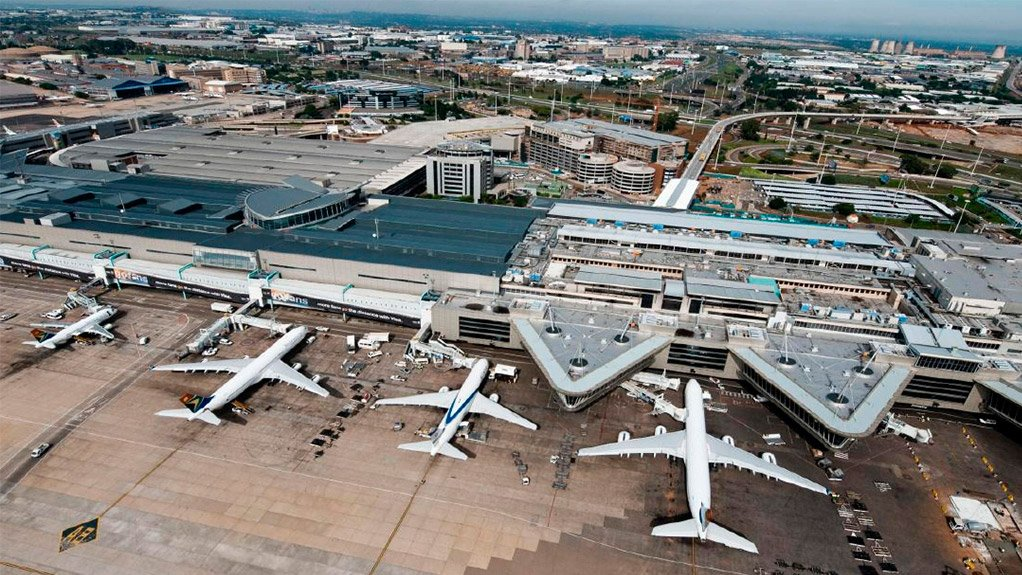
Ekurhuleni’s importance extends far beyond its municipal boundaries. At the heart of the city lies OR Tambo International Airport, the busiest airport in Africa and a central pillar of the region’s economy. Handling tens of millions of passengers annually and connecting to destinations across all continents, the airport positions Ekurhuleni as a key global gateway.
The municipality has leveraged this advantage through its “aerotropolis” strategy—a long-term development model that places the airport at the center of economic planning. This approach aims to integrate logistics, manufacturing, trade, and urban development into a cohesive ecosystem that drives regional and international commerce.
Complementing this are extensive transport networks:
- Over 8,000 km of paved roads
- Major highways including the N3, R21, and R24
- Rail infrastructure forming South Africa’s largest rail hub
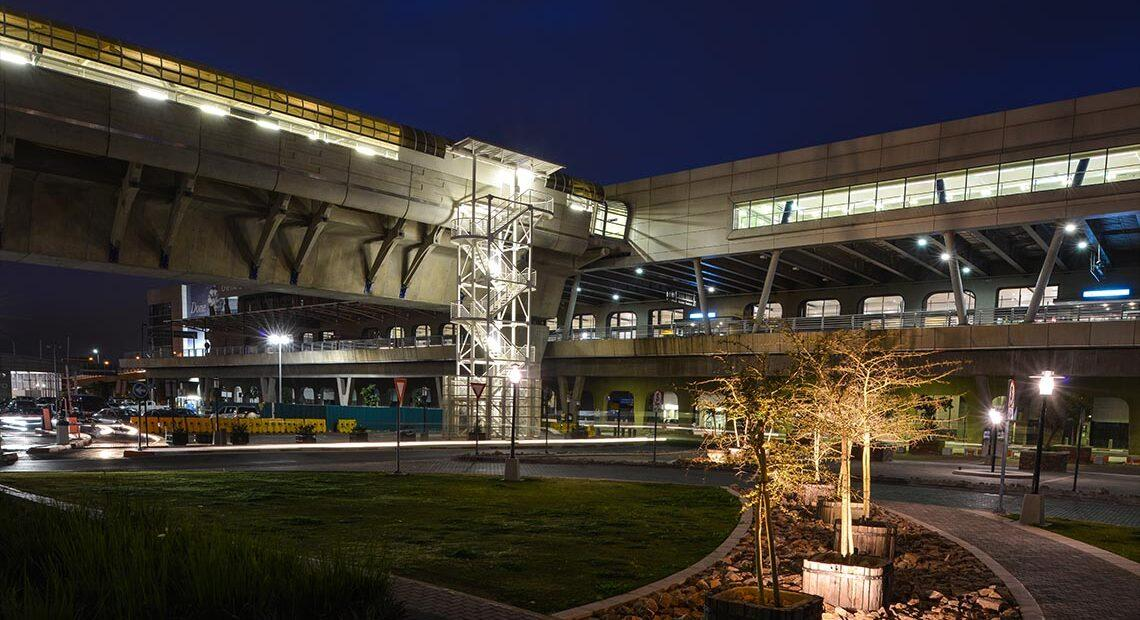
- Rapid transit systems such as the Gautrain and Bus Rapid Transit (BRT)
This infrastructure underpins Ekurhuleni’s role as a logistics and manufacturing powerhouse, linking South Africa’s economic capital (Johannesburg) with its political capital (Tshwane) and beyond.
The Political Flashpoint: A Council in Crisis
Despite its economic strength, Ekurhuleni’s governance has recently been overshadowed by political instability.
On Thursday, 30 April 2026, a scheduled council sitting collapsed after opposition parties—including the Democratic Alliance (DA), Economic Freedom Fighters (EFF), and ActionSA—walked out of the meeting.
The trigger? The absence of key leadership figures.
- Mayor Nkosindiphile Xhakaza did not attend
- Acting City Manager Tsholofelo Koopedi was also absent
- The Speaker of Council, Cllr John Senona, was reportedly not present
This leadership vacuum led to immediate backlash.
The opposition argued that proceeding without these figures undermined the legitimacy of the council session. As a result, the meeting was effectively halted, highlighting deep fractures within the municipality’s political structure.
Legal Controversies and Accountability Questions
The council meeting had been convened to address serious legal matters involving senior municipal officials.
Two high-profile figures were central to the discussions:
- Julius Mkhwanazi, suspended Deputy Chief of the Ekurhuleni Metro Police Department (EMPD)
- Kagiso Lerutla, City Manager
Both individuals had appeared before the Boksburg Magistrate Court and were released on bail of R30,000 each. They face allegations including:
- Fraud
- Corruption
- Defeating the ends of justice
These charges stem from testimony linked to the Madlanga Commission, an inquiry that has intensified scrutiny on governance practices within the metro.
The situation has raised broader concerns about institutional accountability and ethical leadership in Ekurhuleni.
Governance Disputes: Legitimacy Under Fire
The political tension extended beyond absentee leadership to procedural disputes.
ActionSA issued a strong condemnation of what it described as “brazen contempt for Council,” challenging the legality of the proceedings. Central to their argument was the alleged unlawful appointment of an Acting City Manager.
According to ActionSA, the process violated Section 54A of the Municipal Systems Act, 2000, which clearly outlines:
- The authority to appoint an Acting Municipal Manager lies solely with the council
- Acting appointments cannot exceed three months without compliance
The party argued that failure to follow these statutory requirements rendered the council proceedings illegitimate.
In response, ActionSA announced plans to:
- Demand an Extraordinary Council Meeting within seven days
- Request a full report on allegations against the City Manager
Meanwhile, the Democratic Alliance echoed similar concerns, stating that the absence of leadership had reduced the council to “a procedural farce.”
Why Governance Matters in Ekurhuleni
The stakes in Ekurhuleni are unusually high.
As one of South Africa’s three metropolitan municipalities in Gauteng, the city plays a pivotal role in:
- Service delivery to millions of residents
- Infrastructure development
- Financial management of a major urban economy
- Regional logistics and international trade
Council meetings are not merely administrative—they are the forum where decisions affecting housing, transport, policing, and economic growth are debated and implemented.
When governance falters, the consequences ripple through every sector of society.
A City of Contrasts: Opportunity vs. Instability
Ekurhuleni represents a striking paradox.
On one hand, it is:
- A globally connected economic hub
- Home to Africa’s largest airport
- A key driver of South Africa’s industrial output
On the other, it is currently grappling with:
- Leadership disputes
- Legal controversies involving senior officials
- Questions about institutional legitimacy
This tension between opportunity and instability defines the current moment for the municipality.
What Comes Next for Ekurhuleni?
The immediate future of Ekurhuleni will depend on how quickly political stability can be restored.
Key developments to watch include:
- Whether an Extraordinary Council Meeting is convened
- Outcomes of ongoing legal cases involving senior officials
- Potential leadership changes or reforms
- Efforts to rebuild trust in municipal governance
Longer term, the city’s aerotropolis vision and infrastructure investments suggest strong economic prospects—but only if governance challenges are addressed effectively.
Conclusion: A Critical Turning Point
The City of Ekurhuleni Metropolitan Municipality stands at a pivotal juncture.
Its strategic location, world-class infrastructure, and economic potential position it as one of South Africa’s most important urban centers. Yet, the recent collapse of its council meeting underscores a deeper crisis—one rooted in leadership, accountability, and governance.
Whether Ekurhuleni can reconcile these challenges will determine not only its own future, but also its role in shaping the broader economic landscape of the region.


