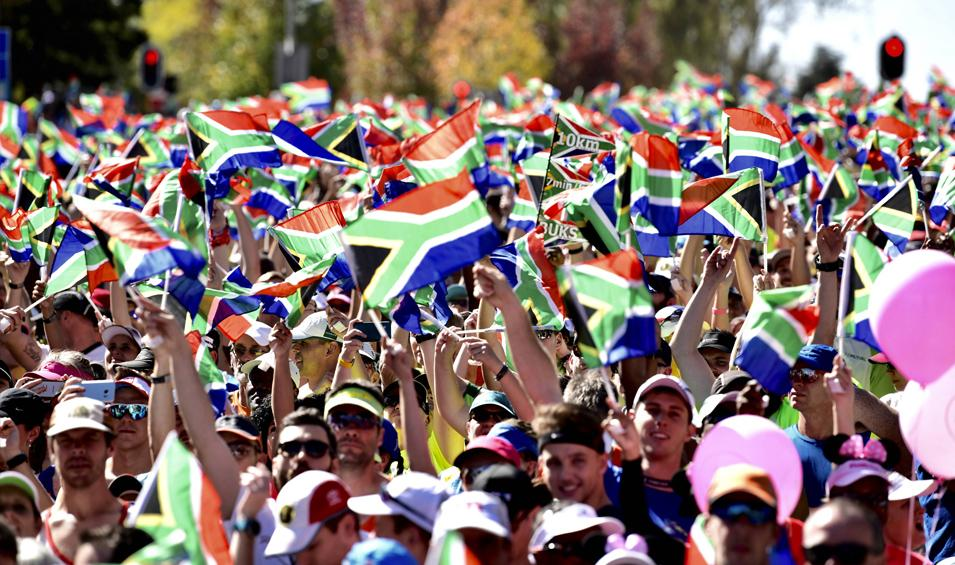
A Practical Guide to Understanding the Nation’s Days Off
Public holidays in South Africa are often welcomed as well-earned breaks from work, offering time to rest, travel, or celebrate with family. But beyond the long weekends and festive moments lies a deeper narrative—one rooted in history, democracy, and social transformation. From Workers’ Day to Freedom Day, these holidays are not merely dates on a calendar; they reflect the country’s journey and identity.
This guide explores South Africa’s public holidays, their significance, how they are structured, and what to expect in 2026.
The Structure of Public Holidays in South Africa
South Africa officially observes 12 public holidays each year, spanning from New Year’s Day on 1 January to the Day of Goodwill on 26 December.
These holidays include a mix of:
- Globally recognised celebrations such as:
- International Workers’ Day (1 May)
- Christmas Day (25 December)
- Easter holidays
- Uniquely South African commemorations, including:
- Human Rights Day
- Freedom Day
- Youth Day
- National Women’s Day
- Heritage Day
- Day of Reconciliation
Together, they form a calendar that balances international traditions with national milestones tied to South Africa’s political and cultural evolution.
The Legal Framework: How Public Holidays Work
South Africa’s public holidays are governed by the Public Holidays Act (Act No. 36 of 1994), which determines how these days translate into time off for workers.
Key provisions include:
- Weekday holidays: Most employees automatically receive the day off.
- Sunday holidays: The following Monday becomes a public holiday.
- Saturday holidays: No replacement day is provided.
This last rule often leads to frustration. For instance, in 2026:
- Human Rights Day (21 March) falls on a Saturday
- Day of Goodwill (26 December) also falls on a Saturday
For many workers, these holidays effectively “disappear” from the working calendar.
Movable Dates: Why the Calendar Changes Every Year
Unlike fixed-date holidays, some public holidays shift annually. The most notable example is Easter, which is determined by the ecclesiastical lunar calendar.
In 2026, Easter will fall between:
- Friday, 3 April
- Monday, 6 April
This creates a long weekend that is widely anticipated across the country.
The shifting nature of these dates means that each year’s holiday calendar offers a different combination of long weekends and midweek breaks.
Spotlight on Workers’ Day: More Than Just a Holiday
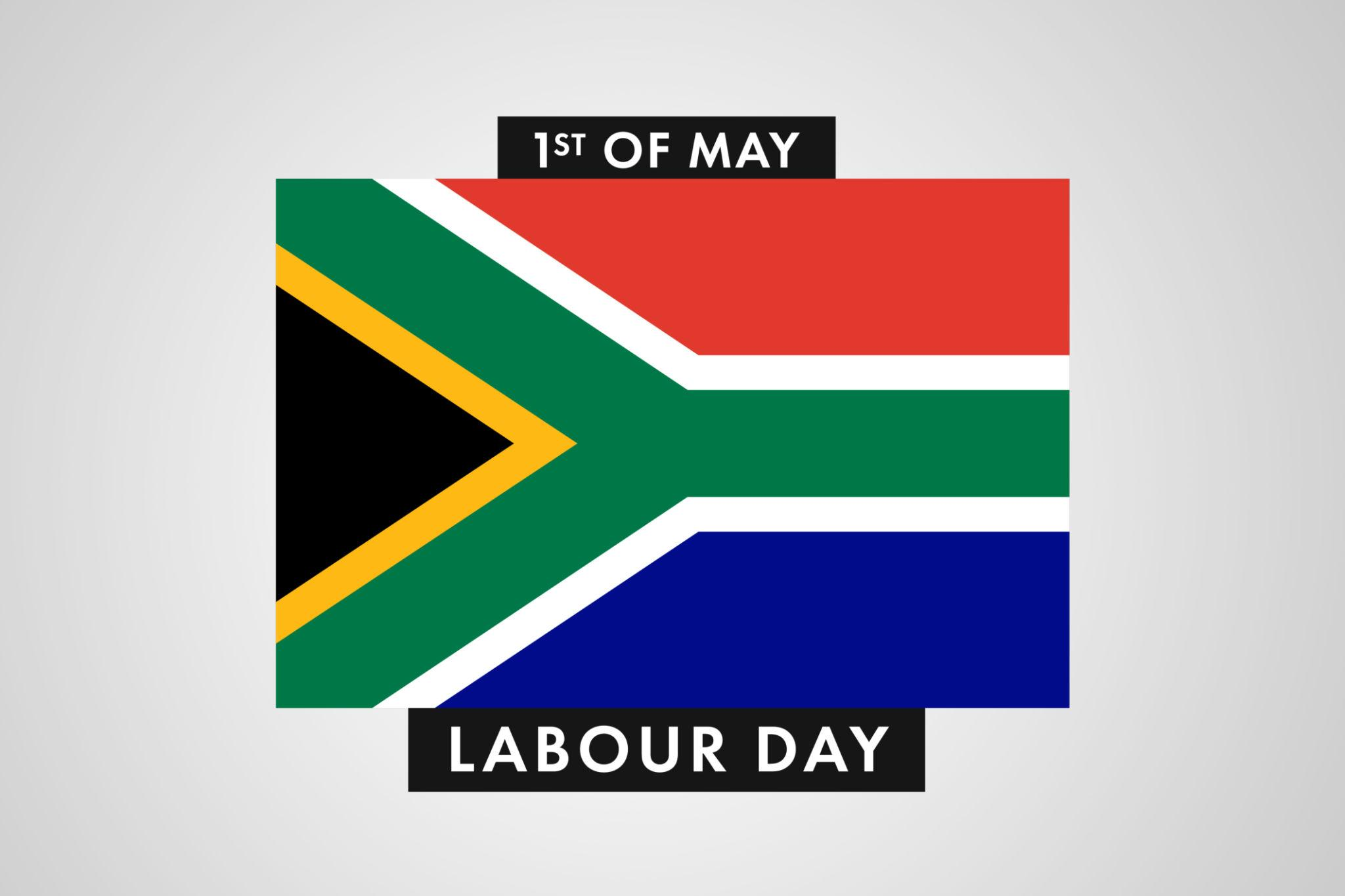
Among South Africa’s public holidays, Workers’ Day (1 May) stands out for its deep historical and political significance.
Origins and Global Context
Workers’ Day traces its roots to the late 1800s, emerging from global struggles for labour rights and social justice. It has been internationally recognised since 1891 and remains widely observed across many countries.
South Africa’s Unique History
In South Africa, Workers’ Day gained official recognition only after the country’s first democratic elections in 1994.
According to the government:
“Workers’ Day has been officially recognised and observed since the first democratic elections in 1994.”
The day carries particular weight because:
- The working class was among those most oppressed under apartheid
- Labour movements played a central role in resisting segregation
- Trade unions and allied organisations mobilised protests and demonstrations
“Labour and trade groups often used Workers’ Day as a symbol to rally the population against the segregation and oppression of the Apartheid system.”
Today, it serves both as a celebration of workers’ rights and a reminder of the sacrifices made in pursuit of equality.
Extra Public Holidays: When the President Steps In
Beyond the standard calendar, South Africans may occasionally benefit from additional public holidays.
The President has the authority to declare any day a national holiday under Section 2A of the Public Holidays Act.
2026 Elections: A Potential Bonus Day Off
In 2026, local government elections are scheduled for Wednesday, 4 November.
President Cyril Ramaphosa stated:
“As 2026 is the year in which the local government elections are held, they should be held on a Wednesday… on a date that I now determine as 4 November 2026.”
If declared a public holiday—as has happened in previous elections—this could provide:
- An additional day off
- An opportunity for citizens to exercise their constitutional right to vote
In 2021, a similar election day was declared a nationwide public holiday, setting a clear precedent.
The Cultural and Social Importance of Public Holidays
Public holidays in South Africa are deeply intertwined with the country’s identity. They:
- Commemorate historic milestones in the fight for freedom and equality
- Promote national unity across diverse communities
- Preserve cultural heritage through celebration and remembrance
- Encourage civic participation, particularly during election periods
They also serve as a reminder that progress—whether in labour rights or democracy—has been achieved through sustained struggle and collective action.
What to Expect from the 2026 Holiday Calendar
The 2026 calendar presents a mixed outlook:
Positives
- A long Easter weekend in April
- A potential extra public holiday in November (elections)
Challenges
- Two holidays falling on Saturdays, reducing actual days off
- A reliance on presidential proclamations to “recover” lost time
For workers and businesses alike, planning around these shifts will be key.
Final Thoughts: More Than Time Off
South Africa’s public holidays are far more than convenient breaks—they are living markers of the country’s history, resilience, and democratic progress.
From the global legacy of Workers’ Day to uniquely South African milestones like Freedom Day, each holiday tells a story. Understanding these stories adds depth to the celebrations and reinforces their ongoing relevance in modern society.
As 2026 unfolds, the holiday calendar will once again reflect both continuity and change—reminding South Africans of where they’ve come from and the rights they continue to uphold.