Between Memory, Conflict, and Power: Netanyahu, the Military Narrative, and Rising Tensions with Iran
A Moment of Silence—and a Message Beyond Words
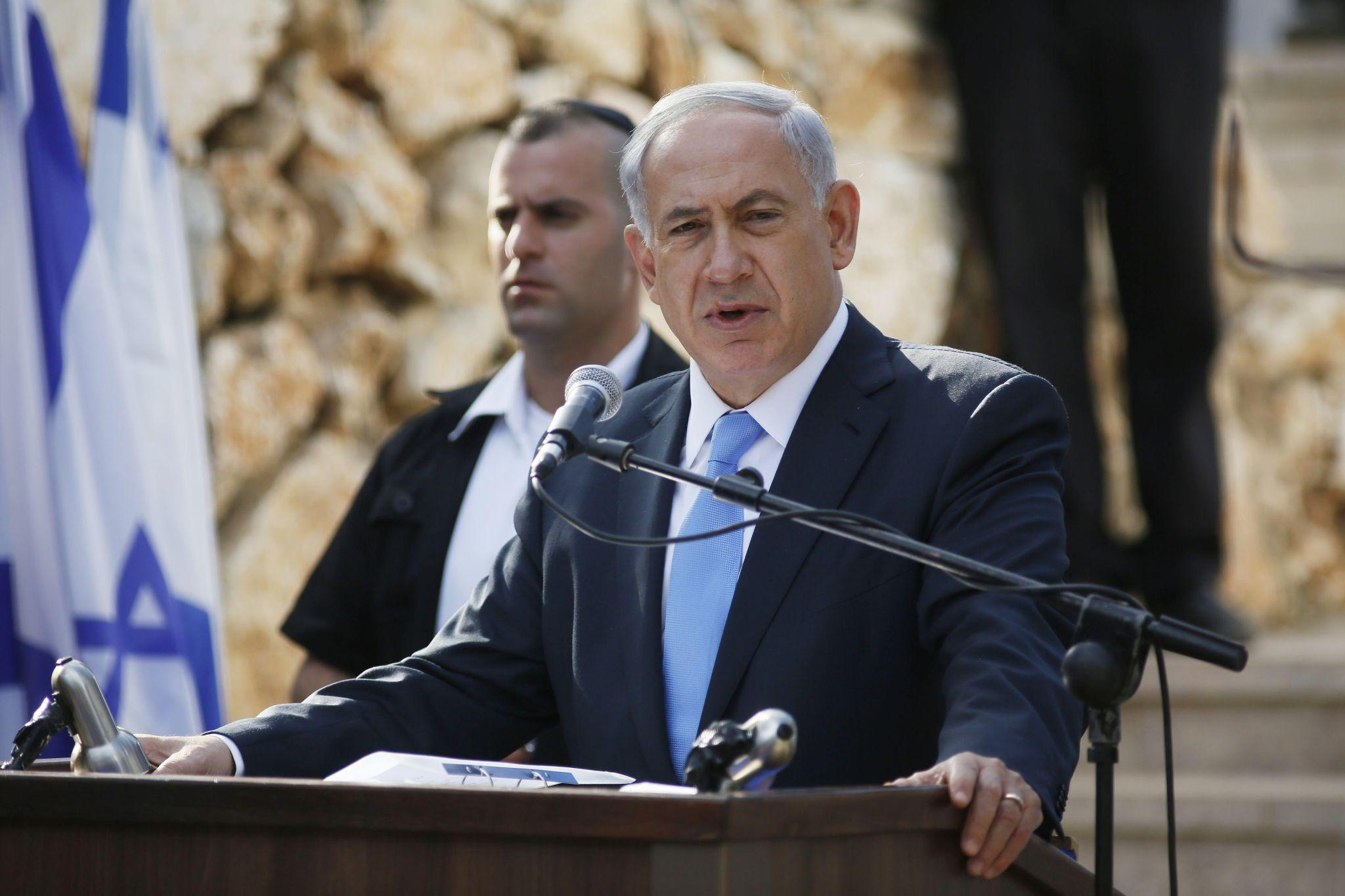
In a recent public address, Benjamin Netanyahu delivered a deeply personal and emotional message while meeting with widows and orphans of Israeli soldiers. The moment was framed not by policy announcements or strategic declarations, but by grief, memory, and national identity.
He described the encounter in stark, human terms—“moments where there is nothing to say,” where shared silence replaces rhetoric. Speaking directly to families affected by military loss, he acknowledged a pain “with no end,” referencing the absence left behind in homes, at empty chairs, and in voices that no longer return.
This was not simply a ceremonial statement. It was a continuation of a long-standing narrative in Israeli political discourse: the fusion of personal sacrifice with national survival.
Netanyahu emphasized that he understands this loss personally, recalling the death of his brother, Yonatan Netanyahu, a soldier killed during a military operation. He framed grief not only as an individual burden but as part of a collective continuity—what he described as a “chain” sustaining the nation.


The Soldier as Symbol: Identity, Sacrifice, and Statehood
The figure of the Israeli soldier occupies a central role in the country’s political and cultural identity. In Netanyahu’s remarks, soldiers are not only defenders of territory but also guarantors of historical continuity.


He stated that the fallen are “the reason we are here,” positioning military sacrifice as foundational to the existence of the state. This framing aligns with a broader narrative in Israeli society, where military service is deeply embedded in civic identity.
The emotional tone of the speech reinforces this symbolic role. It suggests that grief, while deeply personal, is also politicized—transformed into a form of national resilience.
Escalation and Justification: Iran at the Center of Strategic Policy
Alongside these emotional appeals, Netanyahu has continued to articulate a firm position on Iran. In a separate address tied to national events, he asserted that Israel’s actions over the past 15 months prevented Iran from acquiring nuclear weapons.
He stated unequivocally that without these interventions, Iran would already possess atomic capabilities, describing such a scenario as “the beginning of the end for the Jewish people.”


This statement reflects a consistent strategic doctrine: preemptive action to neutralize perceived existential threats. Netanyahu framed these actions as not optional but necessary, asserting that Israel was “compelled to act.”
The implication is clear—military operations are positioned not as escalation, but as prevention.
Religion, Discipline, and International Sensitivity
In parallel to geopolitical tensions, Netanyahu addressed a separate incident involving an Israeli soldier who destroyed a religious statue in southern Lebanon. His response was immediate and direct.
He stated that he was “astonished and saddened” and condemned the act “in the strongest possible terms.” He confirmed that the Israeli military had launched a criminal investigation and promised “strict disciplinary measures” against those responsible.
This response highlights a different dimension of leadership: the need to balance military conduct with international norms and religious sensitivities. Netanyahu emphasized that Israel upholds freedom of religion and respect for all faiths, positioning the incident as an exception rather than a reflection of policy.
The condemnation was echoed by international figures, including a U.S. ambassador who called for “swift, severe, and public consequences,” underscoring the global scrutiny surrounding military behavior in the region.
The U.S. Factor: Strategic Alignment and Shared Interests
Although not directly addressed in the emotional speech, the broader context of U.S.–Israel relations remains critical. The United States continues to be Israel’s primary strategic ally, particularly in matters related to Iran.
American diplomatic and military support shapes the regional balance of power. At the same time, incidents involving soldiers or religious sites can complicate this relationship, introducing diplomatic friction.
The dual dynamic—strategic alignment alongside ethical scrutiny—defines much of the current geopolitical landscape.
Narrative Control in the Digital Age
The dissemination of Netanyahu’s remarks through social media platforms illustrates how political messaging has evolved. Videos, short statements, and emotionally charged narratives now circulate rapidly, reaching both domestic and international audiences.
The content provided shows high engagement levels, with tens of thousands of views within hours. This indicates that such messages are not merely ceremonial—they are part of an active effort to shape public perception.
The combination of emotional storytelling and strategic messaging allows leaders to simultaneously address grief, justify policy, and reinforce national identity.
The Broader Implications: Memory, Power, and Future Conflict
The convergence of personal grief, military narrative, and geopolitical tension creates a complex political environment. Netanyahu’s messaging operates on multiple levels:
- Emotional: Acknowledging loss and connecting with affected families
- Symbolic: Reinforcing the role of soldiers in national identity
- Strategic: Justifying military actions against Iran
- Diplomatic: Addressing incidents that impact international relations
Looking ahead, the trajectory of Israel–Iran relations remains uncertain. The framing of past actions as necessary prevention suggests that future interventions remain possible if similar threats are perceived.
At the same time, internal and external pressures—including public opinion, international diplomacy, and regional stability—will continue to influence decision-making.
Conclusion: A Leadership Defined by Dual Narratives
Benjamin Netanyahu’s recent statements illustrate a leadership approach that merges emotional resonance with strategic clarity. His messaging moves fluidly between mourning and mobilization, between personal memory and national policy.
The result is a narrative that seeks to unify a population under shared experience while reinforcing the legitimacy of military action in a volatile region.
In this context, the figure of the soldier becomes both a symbol of sacrifice and a justification for continued vigilance—anchoring a political narrative that is as much about identity as it is about security.