


Formula 1 at a Crossroads: Reform, Resistance, and Responsibility
A Sport Under Pressure
Formula 1 is navigating one of its most consequential regulatory transitions in years. At the center of the debate are three key forces: the technical direction of the sport, the vocal concerns of its drivers, and the leadership responses from figures such as Toto Wolff and Mohammed Ben Sulayem.
The 2026 regulations—particularly those emphasizing hybrid energy systems—were designed to modernize the sport and align it with sustainability goals. Instead, they triggered widespread criticism from drivers and fans, raising questions about racing quality, safety, and identity.
Recent rule changes signal a clear pivot: Formula 1 is adjusting course, attempting to balance innovation with the essence of competitive racing.
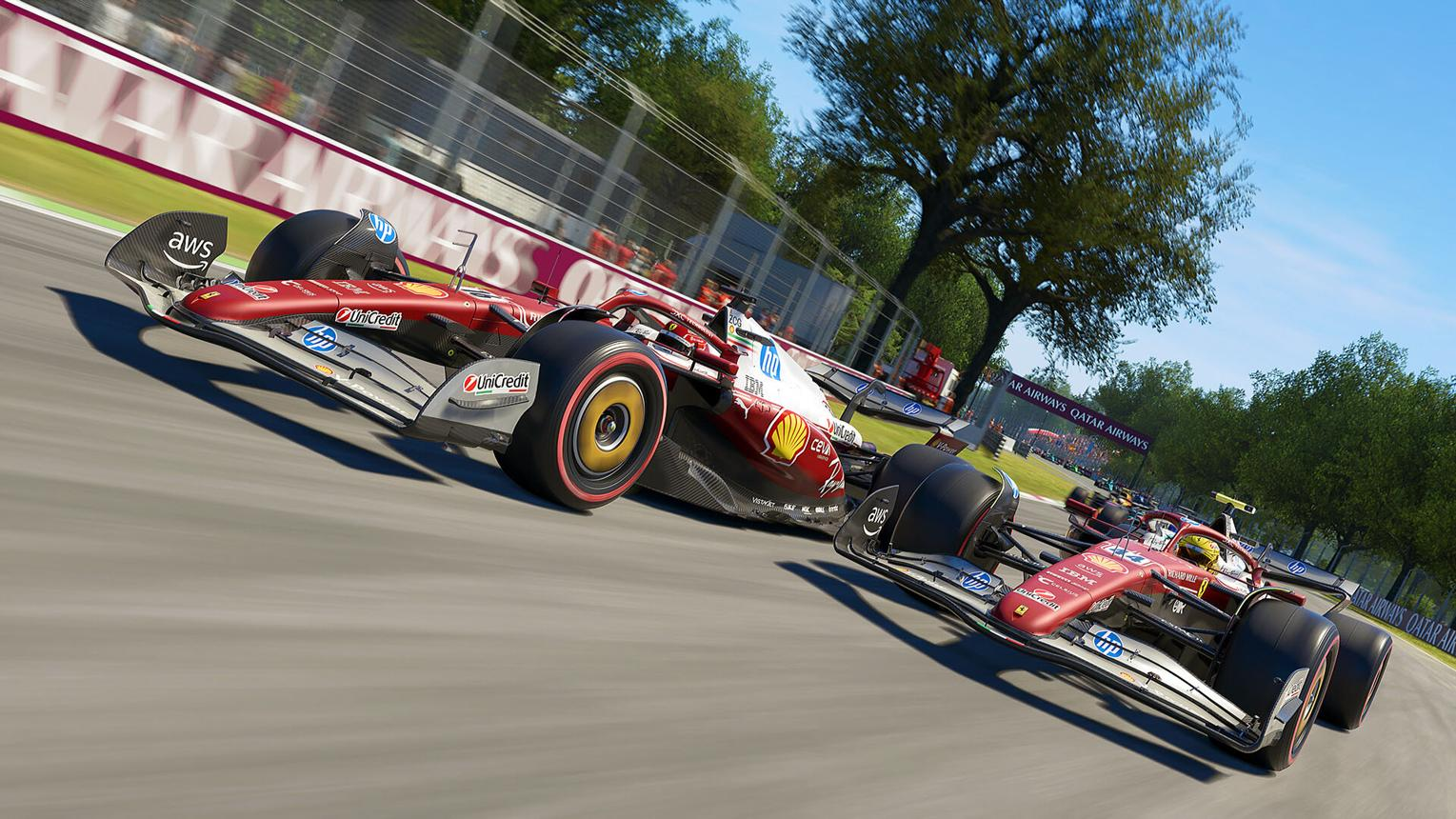
The Core Problem: Energy Management vs Racing Instinct
The introduction of more electrically driven power units shifted the competitive dynamic dramatically. Drivers were no longer pushing flat-out; instead, they were managing energy recovery, battery deployment, and charging cycles.
This led to two critical issues:
- Reduced emphasis on pure driving skill in high-speed sections
- Dangerous speed differentials between cars in different energy modes
One particularly alarming example occurred during the Japanese Grand Prix, where a major crash involving Oliver Bearman was linked to these speed disparities. A car traveling significantly faster approached another that had slowed to recharge its battery, creating a high-risk scenario.
The phenomenon—often referred to as “superclipping”—became a focal point of criticism, both from drivers and observers.
Regulatory Response: FIA Steps In
The governing body, Fédération Internationale de l’Automobile, responded with targeted adjustments aimed at improving both safety and racing dynamics.
Key Changes Introduced
1. Reduced Importance of Energy Management
Energy recovery limits in qualifying have been adjusted, allowing drivers to focus less on conserving battery and more on performance. The cap has been set at 7 megajoules, down from previous levels.
2. Increased Charging Capacity
Battery charging power has been raised from 250 kW to 350 kW, enabling faster energy recovery and reducing the need for mid-lap slowdowns.
3. Modified Boost Function
The boost system during races has been toned down to reduce extreme speed differences between cars.
4. Safer Race Starts
Cars lacking sufficient energy at the start will now receive an automatic boost to prevent stalling. A visual warning system—flashing lights—alerts trailing drivers to potential hazards.
These changes aim to restore a more natural racing rhythm while addressing safety concerns that had become increasingly visible.
Qualifying Reimagined: Back to Full-Throttle Racing
Perhaps the most significant shift comes in qualifying sessions.
Previously, drivers used high-speed corners and straights to recharge batteries, effectively lifting off the throttle in areas where maximum commitment traditionally defined performance.
Under the revised rules:
- Drivers can push harder through high-speed corners
- Energy-saving compromises are reduced
- Lap times may increase slightly, but driving intensity improves
This change restores a fundamental aspect of Formula 1: the ability to differentiate skill through risk-taking at speed.
Toto Wolff’s Intervention: A Call for Discipline
Amid escalating public criticism, Toto Wolff has taken a firm stance—not against reform, but against how the debate is conducted.
He acknowledged that criticism of the new regulations is legitimate. However, he warned that constant negative commentary in public could damage the sport’s image.
“We don’t have to constantly badmouth our sport in public.”
Wolff’s position reflects a broader concern: that internal disagreements, when aired publicly, risk undermining fan confidence and the commercial value of Formula 1.
He emphasized two priorities shared across stakeholders:
- Improving the overall product
- Enhancing safety
But his approach advocates incremental, measured changes—“with a scalpel rather than a baseball bat.”
Mohammed Ben Sulayem: Drivers at the Center
For Mohammed Ben Sulayem, the recent adjustments represent a collaborative success.
His statement underscores a notable shift in governance:
“More than ever, the drivers were central in these discussions.”
This acknowledgment signals a more inclusive regulatory process, where driver feedback is not only heard but directly influences policy decisions.
It also reflects a recognition that Formula 1’s legitimacy depends on aligning technical direction with the lived experience of those behind the wheel.
A Broader Context: Innovation vs Identity
The current situation is not unprecedented. Formula 1 has historically evolved through cycles of radical innovation followed by corrective refinement.
Wolff pointed out that even in earlier decades—often romanticized by fans—racing was not always more exciting. Periods with limited overtaking and processional races were common.
The tension today lies in reconciling three competing priorities:
- Technological advancement (particularly electrification)
- Driver satisfaction and competitive integrity
- Fan engagement and entertainment value
Striking this balance is increasingly complex in a sport that serves as both a technological showcase and a global entertainment product.
External Factors: A Disrupted Season
Complicating matters further, the 2026 season has already faced disruptions. Races in Bahrain and Saudi Arabia were canceled due to geopolitical conflict, reducing the calendar to 22 events.
This interruption has provided an unexpected window for reflection—and reform—within the sport.
What Comes Next?
The upcoming race in Miami will serve as the first real-world test of the revised regulations.
Key indicators to watch include:
- Reduced speed differentials on straights
- More aggressive driving in qualifying
- Fewer incidents linked to energy management
- Improved overall race flow
If successful, these changes could stabilize the sport’s direction and restore confidence among drivers and fans.
If not, further adjustments are likely.
Conclusion: A Necessary Correction Phase
Formula 1 is not in crisis, but it is in correction.
The recent rule changes demonstrate a willingness to adapt—driven by driver feedback, enforced by the FIA, and shaped by team leadership.
Figures like Toto Wolff and Mohammed Ben Sulayem represent two sides of the same objective: protecting the sport’s future while preserving its core identity.
The underlying question remains unresolved but clearly defined:
How far can Formula 1 push technological innovation without compromising the essence of racing?
The answer will unfold not in meetings or statements—but on track.


