

Mimi Coertse: The Voice That Carried South Africa to the World Stage
A Life in Music Comes to a Close
The passing of Maria Sophia “Mimi” Coertse at the age of 93 marks the end of a remarkable chapter in both South African and global classical music. The celebrated opera singer died on 27 April 2026 at her home in Pretoria, leaving behind a legacy that spans more than seven decades of artistic excellence and cultural influence.
Widely regarded as South Africa’s first operatic prima donna, Coertse was more than a performer—she was a cultural ambassador who proved that talent from the southern tip of Africa could command the grandest stages in Europe and beyond.
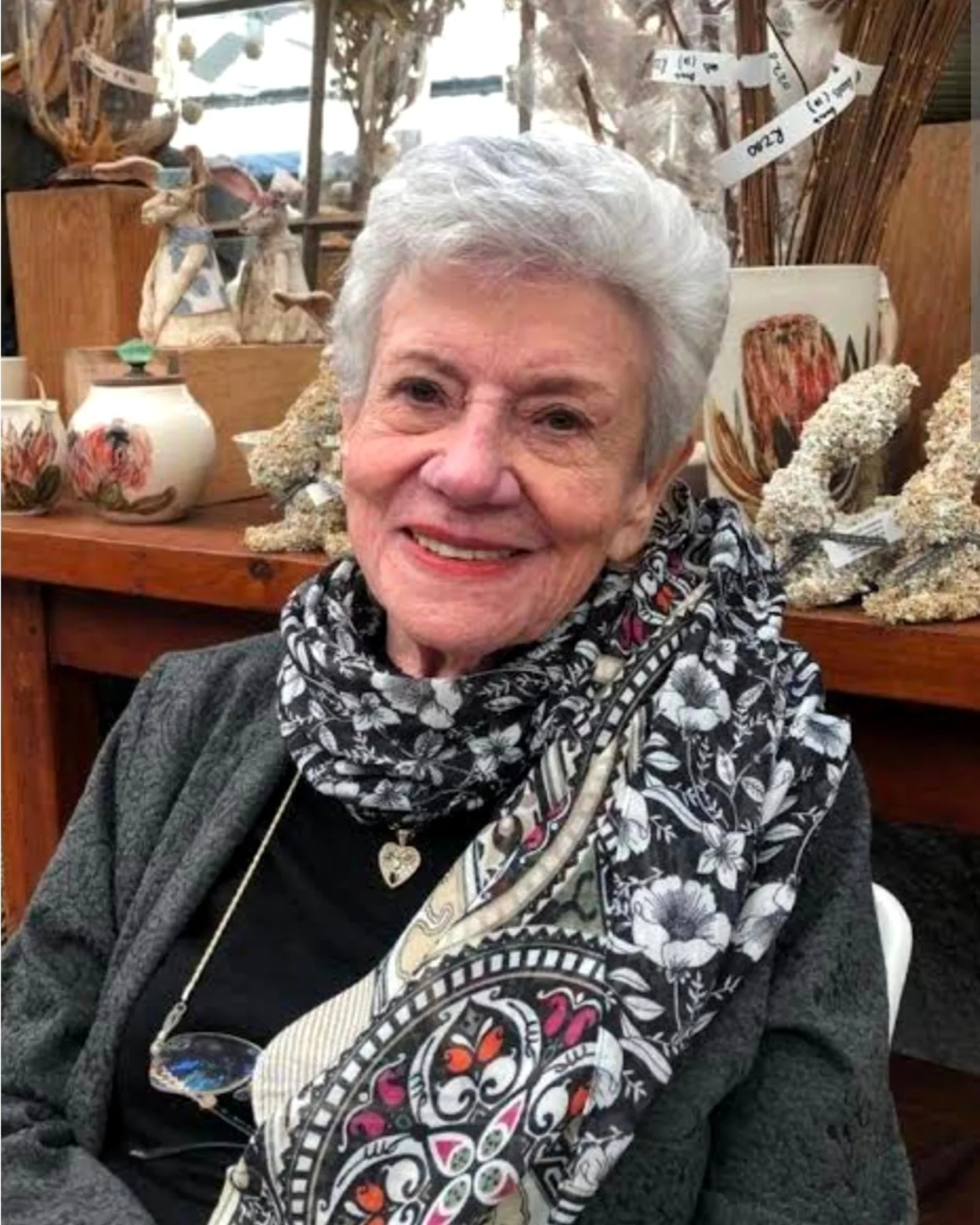
From Durban Beginnings to Global Ambitions
Born on 12 June 1932 in Durban, Coertse’s journey began far from the ornate opera houses she would later dominate. Her family eventually moved to Germiston, where her early years laid the foundation for a life devoted to music.
Her ambition emerged at an astonishingly young age. She once shared that at just three years old, she had already prayed to become the world’s best singer—a dream that would ultimately define her life’s trajectory.
At 22, she took a decisive step by moving to Vienna, Austria, to study opera and voice technique. This move placed her at the heart of the European classical music scene, where she would soon make history.
The Breakthrough That Defined a Career
Coertse’s international breakthrough came on 17 March 1956, when she debuted at the Vienna State Opera as the Queen of the Night in Mozart’s Die Zauberflöte. The role, one of the most technically demanding in opera, became synonymous with her name.
She performed the role more than 500 times across major opera houses and festivals worldwide, a feat that cemented her status among the elite of the operatic world.
Her association with the Vienna State Opera lasted more than two decades, during which she became a principal figure in one of the most prestigious institutions in classical music.
Beyond Vienna, her career took her to renowned venues across Europe and the United States, where she performed works by composers such as Mozart, Bach, and Puccini, showcasing both technical brilliance and emotional depth.
Recognition at the Highest Level
Coertse’s artistry did not go unnoticed. In 1966, she was awarded the title of Kammersängerin by the Austrian government—one of the highest honours bestowed upon opera singers.
Her accolades extended across continents:
- Austria awarded her the Austrian Cross of Honour for Science and Art in 1996, its highest artistic distinction.
- South Africa honoured her with the Decoration for Meritorious Services in 1985.
- She received honorary doctorates from the University of Pretoria (1998) and the University of South Africa.
- In 2020, she was named a living legend by the South African Legends Museum.
These honours reflected not only her vocal mastery but also her role in elevating South African culture on the global stage.
Returning Home: Building a Cultural Legacy
Despite her international success, Coertse never lost her connection to South Africa. She returned permanently in 1973, bringing with her decades of experience and a vision to nurture local talent.
Rather than stepping away from the spotlight, she redirected her influence toward mentorship and development.
Her contributions included:
- Founding the Black Tie Ensemble with Neels Hansen to support emerging opera singers
- Establishing bursaries and initiatives to help young artists transition into professional careers
- Supporting classical music education and expanding access to opportunities in the arts
Since 1959, a scholarship in her honour has been awarded to classical singers from Gauteng and the North West, further embedding her influence in South Africa’s cultural fabric.
Beyond the Stage: A Broader Cultural Influence
Coertse’s impact extended far beyond opera performance. She became a key figure in shaping South Africa’s cultural identity, particularly during a period when international representation carried deep symbolic weight.
Her influence reached into:
- Education and mentorship, helping bridge the gap between training and professional careers
- Cultural advocacy, promoting classical music within South Africa
- Visual arts, through a significant personal collection featuring notable South African artists
Her art collection, which includes works by artists such as Irma Stern and Maud Sumner, reflects her broader commitment to preserving and celebrating South African creativity.
The Voice That Represented a Nation
Throughout her career, Coertse was often described as “The Voice for South Africa.”
This title captured more than her vocal ability—it reflected her role as a cultural bridge between South Africa and the international community.
At a time when global recognition for South African artists was limited, she demonstrated that excellence could transcend geography and politics. Her success in Europe served as both inspiration and proof that South African talent could compete at the highest levels.
Final Curtain, Enduring Legacy
Mimi Coertse’s death closes a defining era, but her influence remains deeply embedded in the world of opera and South African culture.
Her legacy lives on through:
- Her recordings and historic performances
- The generations of singers she mentored
- Institutions and programmes she helped establish
- The global recognition she brought to South African artistry
As one reflection notes, her life proved that a South African voice could resonate in Vienna’s grand opera houses and return home to inspire future generations.
Her story is not simply one of personal achievement—it is a testament to the enduring power of art to cross borders, shape identities, and inspire generations.


