


Jose Mourinho News: Real Madrid Return Turns Nostalgia Into a High-Stakes Gamble
José Mourinho’s name is once again at the centre of world football’s most demanding job. Thirteen years after leaving Real Madrid, the Portuguese coach is set for a dramatic return to the Santiago Bernabéu on a two-year deal, with an option for a further year, as the Spanish giants attempt to restore order after a trophyless and turbulent season.
The move is more than a managerial appointment. It is a statement from Real Madrid president Florentino Perez, who has turned back to one of football’s most polarising figures at a moment when the club is under pressure on the pitch, inside the dressing room, and at boardroom level. Mourinho’s return brings experience, authority and global attention — but also risk, history and unresolved tensions.
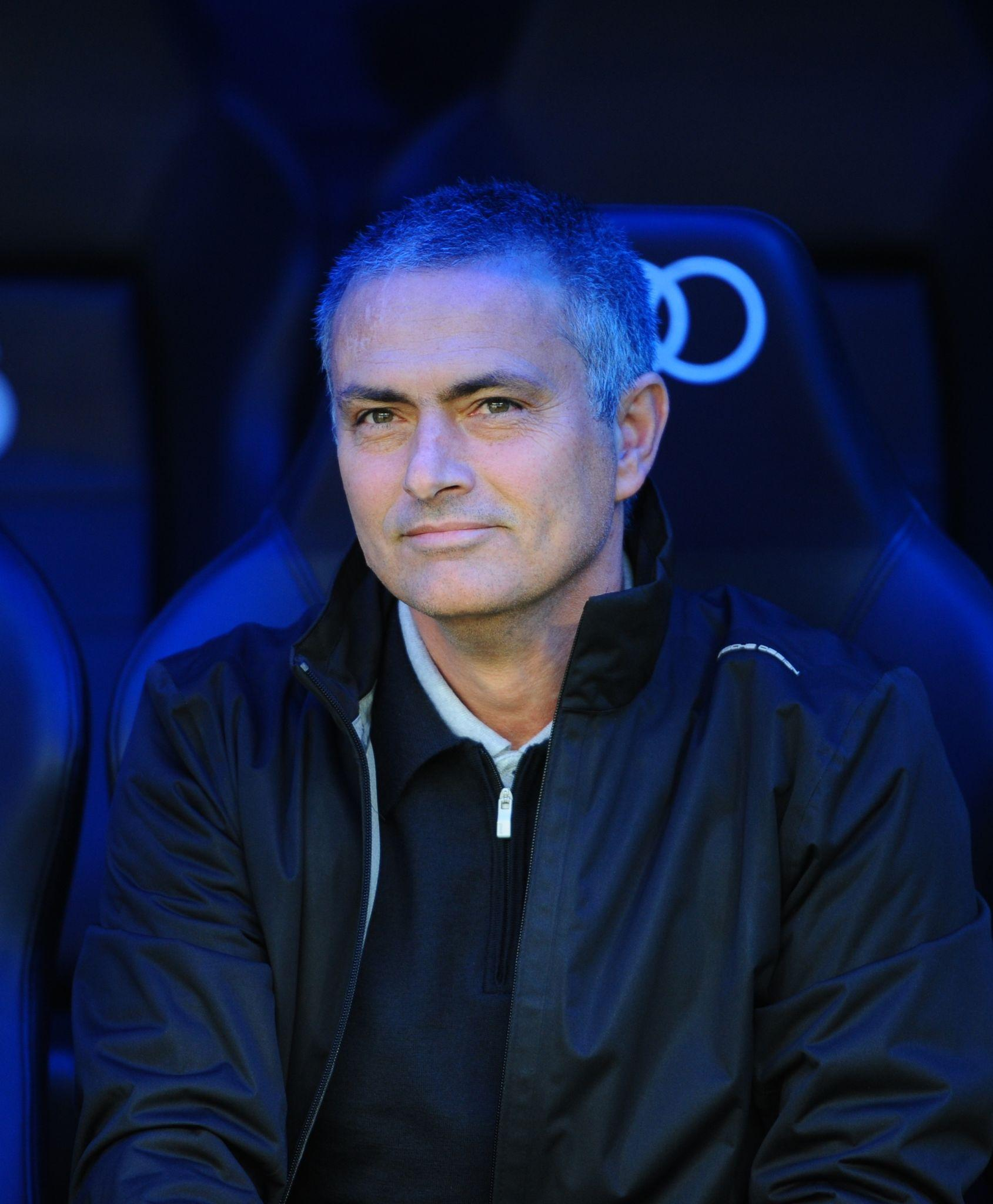
A Return Built on Old Trust and New Crisis
Mourinho first managed Real Madrid between 2010 and 2013, a period defined by fierce rivalry with Pep Guardiola’s Barcelona, intense dressing-room politics and one of the most statistically dominant La Liga title wins in the club’s history. His 2011/12 Madrid side became the first Spanish champions to reach 100 points, scored 121 league goals, and won 32 matches in the campaign.
That legacy matters. Perez has remained close to Mourinho, and the president’s faith in the coach appears central to the decision. The Portuguese manager is being brought back not simply to coach matches, but to impose structure on a team described in the provided information as unsettled by off-field controversy and a disappointing end to the season.
An official announcement is expected after Real Madrid’s final game of the season against Athletic Club, with Mourinho then expected to be unveiled in Madrid the following week.
Why Madrid Have Turned Back to Mourinho
Real Madrid’s season has created the conditions for a high-profile reset. The club has been beaten to the domestic title by Barcelona and exited the Champions League at the quarter-final stage. Off-field tensions have also intensified, including an altercation that reportedly led to captain Federico Valverde being treated in hospital after an incident with teammate Aurelien Tchouameni.
Alvaro Arbeloa has been in temporary charge since Xabi Alonso was dismissed in January, only seven months into the job. Mourinho will now succeed one of his former players and attempt to stabilise a squad that has not delivered the standards expected at the Bernabéu.
The appointment also comes with presidential politics in the background. Perez called club elections last week, with candidates having until May 23 to present their candidacies, creating uncertainty around the timing of Mourinho’s formal announcement.
Benfica Exit: Unbeaten, Yet Unfinished
Mourinho arrives from Benfica, where he finished the Portuguese league season unbeaten but only third, behind Porto and Sporting. Benfica won 23 league matches and drew 11, a record that underlines consistency but not dominance.
His Benfica contract had been set to run until 2027, but the financial terms surrounding his departure are described differently across the provided information. One account states that Benfica are set to receive €7 million in compensation, while another says a clause allows Mourinho to leave for £2.6 million.
Mourinho himself acknowledged the uncertainty after Benfica’s season ended, saying: “My future should be decided this week.”
The Vinicius Junior Question
One of Mourinho’s most sensitive early challenges may be his relationship with Vinicius Junior. The Brazilian forward’s future and role at Real Madrid are already major talking points, and Mourinho’s previous comments after Benfica faced Madrid in the Champions League could complicate the dynamic.
During that February match, Vinicius alleged he had been targeted by a comment from Benfica’s Gianluca Prestianni. The match was paused for 10 minutes before continuing. UEFA later concluded in April that Prestianni’s conduct was anti-gay rather than racist, handing him a six-match ban, with three matches suspended for two years.
Mourinho said after that game: “a stadium where Vinicius plays, something happens, always… I told him, when you score a goal like that, you just celebrate and walk back.”
That comment was criticised, and it may now become part of the emotional backdrop to Mourinho’s return. Real Madrid also face a tactical question involving Vinicius and Kylian Mbappe: whether both can thrive in the same team without damaging balance, hierarchy or defensive structure.
A Dressing Room That Needs Authority — But What Kind?
Mourinho’s reputation has always been built on control. At his peak, he was football’s great organiser: a coach who could sharpen a squad’s competitive edge, harden its mentality and turn pressure into fuel.
But the Madrid job in 2026 is not the same job he took in 2010. The modern elite dressing room requires more than confrontation. It demands player management, tactical flexibility and careful handling of global superstars whose commercial and sporting influence extends beyond the pitch.
One assessment in the provided material argues that Mourinho may no longer rule with a “heavy fist,” suggesting a more measured style: “It’s more the arm around the shoulder these days.”
That evolution will be tested quickly. Madrid need discipline, but they also need unity. Mourinho’s first spell brought trophies and records, but it also ended amid strained relationships with major figures in the squad. His second spell will be judged by whether he can command the dressing room without recreating the divisions that marked the end of his first era.
Transfer Angles: Rashford, Camavinga and Squad Reshaping
Mourinho is expected to arrive with squad requests, including both potential departures and new signings. One reported target is Marcus Rashford, currently on loan at Barcelona from Manchester United. Mourinho knows Rashford from their time together at Manchester United and is said to view him as a strong addition to a deeper, more competitive squad.
Rashford, however, has publicly indicated his preference for staying at Barcelona. “I don’t know if I’m going to stay. I am not a magician, but if I were, I’d stay so we will see,” he said after El Clasico earlier this month. The forward has scored 14 goals and provided 14 assists, while Barcelona hold a purchase option of around €30 million.
Eduardo Camavinga is another player whose future has been discussed. Despite a difficult season marked by injuries, inconsistency and criticism, Real Madrid reportedly have no plans to sell the midfielder. Camavinga has played 43 matches in all competitions, including 23 starts, with three goals and one assist.
For players like Camavinga, Mourinho’s arrival could represent a clean slate. For others, it may bring a sharper evaluation of status, effort and tactical fit.
The Legacy Mourinho Is Trying to Reclaim
Mourinho’s return is also personal. Since leaving Madrid in 2013, he has managed Chelsea, Manchester United, Tottenham, Roma, Fenerbahce and Benfica. His career remains decorated, but the aura around him has changed. The provided information notes that he has not won a league title since 2015, while the Conference League is the only cup he has won in the past nine years.
That makes Real Madrid both an opportunity and a danger. If Mourinho succeeds, he will reframe the late phase of his career and prove that his methods can still work at the summit of European football. If he fails, the move may strengthen the argument that the game has moved beyond him.
For Real Madrid, the appointment is equally consequential. It signals that Perez wants personality, authority and immediate impact rather than a long rebuilding project. Mourinho is not being hired as a low-profile tactician. He is being brought back as a force of nature.
What Comes Next
The immediate timeline is clear: Real Madrid’s final game of the season comes first, then the expected announcement, then Mourinho’s unveiling. Behind the scenes, staff appointments, squad planning and transfer priorities will quickly move into focus. Mourinho is expected to take four coaches with him from Benfica to Madrid.
The bigger question is whether this return can be more than a nostalgic reunion. Madrid need results, but they also need calm. They need a coach strong enough to confront underperformance without turning pressure into chaos. Mourinho has done that before — but he has also, at times, become part of the storm.
His second Real Madrid era will therefore begin with an unusual mix of confidence and uncertainty. The club knows exactly who it is hiring. The football world knows exactly why it will watch. Whether Mourinho can still turn spectacle into silverware is now the story that will define the next phase of “jose mourinho news.”
Conclusion: A Familiar Face for an Unfamiliar Crisis
José Mourinho’s expected return to Real Madrid is one of the most dramatic managerial moves of recent years. It reconnects the club with a coach who delivered historic numbers, fierce identity and major trophies — but also with a figure whose methods have always divided opinion.
For Perez, Mourinho represents authority at a moment of instability. For the players, he represents scrutiny. For supporters, he represents both memory and risk. And for Mourinho himself, this is a rare chance to prove that “The Special One” still belongs on football’s biggest stage.


