
First Look at Samsung Galaxy Glasses From Leaked Renders
A Familiar Shape Signals a New Direction
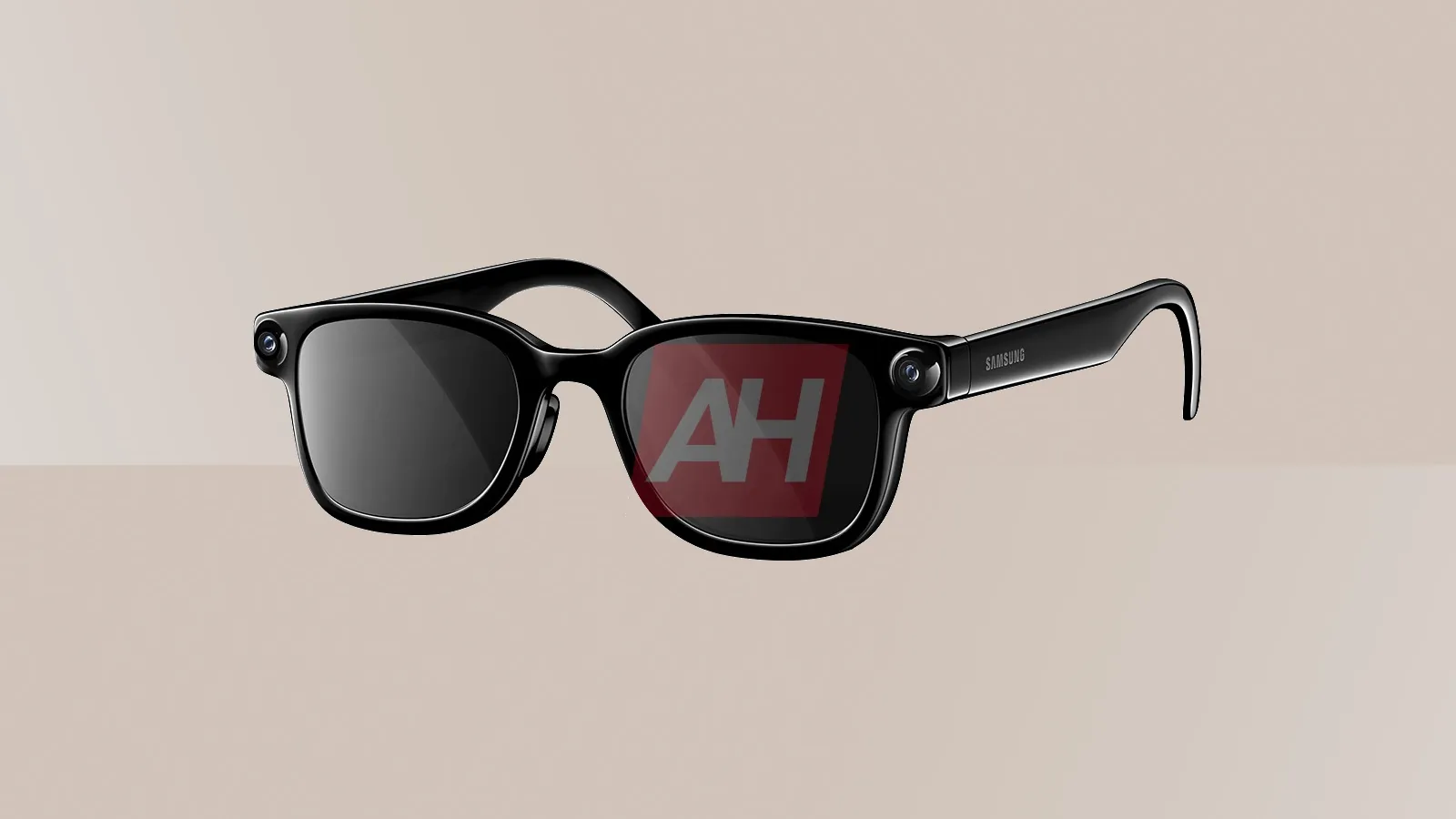
Samsung’s long-rumored entry into the smart glasses market has come into sharper focus, thanks to a fresh set of leaked renders that reveal the company’s first-generation Galaxy Glasses from multiple angles. The images provide the clearest look yet at what could become one of Samsung’s most ambitious post-smartphone products.
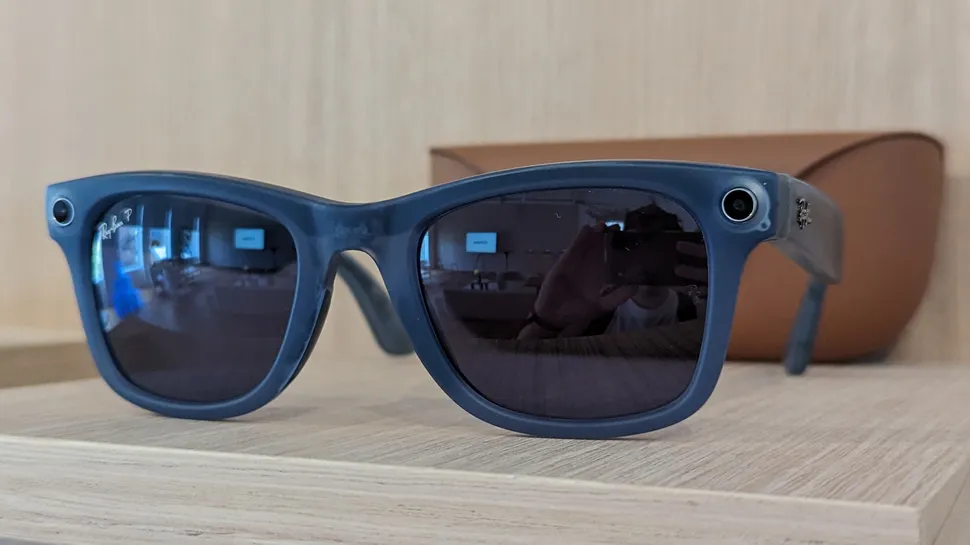
At first glance, the design feels instantly recognizable. The glasses adopt a sleek, everyday aesthetic closely resembling Meta’s Ray-Ban smart glasses—minimalist, lightweight, and intentionally indistinguishable from traditional eyewear. But beneath that understated exterior lies a calculated strategy: Samsung appears to be prioritizing accessibility and real-world usability over experimental, display-heavy hardware.
Design Without a Display: A Strategic Trade-Off
One of the most striking details from the leak is what the Galaxy Glasses do not include—a display.
The first-generation model, internally codenamed “Jinju,” is expected to ship without any built-in screen, a decision that aligns it directly with Meta’s Ray-Ban lineup. This approach reduces complexity, weight, and cost, potentially making the device more appealing to mainstream consumers.
Earlier reports indicate that Samsung had originally used the codename “Haean” for this model, but that name has since been reassigned to a more advanced second-generation version featuring a microLED display, expected to launch in 2027.
The absence of a display may limit immersive AR capabilities, but it also signals Samsung’s intent to enter the market with a practical, lifestyle-oriented device rather than a futuristic—but niche—gadget.
Under the Hood: AI Takes Center Stage
While the design may be understated, the technology powering the Galaxy Glasses is anything but.
The glasses are expected to run on Android XR, a platform developed in collaboration with Google. This means deep integration with Gemini, Google’s AI assistant, which could become the defining feature of the device.
Instead of relying on visual overlays, the Galaxy Glasses will likely focus on:
- Voice-based interactions
- Real-time AI assistance
- Context-aware responses
- Seamless connectivity with Android devices
This AI-first approach could give Samsung a competitive edge, especially if Gemini delivers meaningful everyday utility—something earlier smart glasses struggled to achieve.
Hardware Specifications: Compact but Capable
Despite their lightweight design, the Galaxy Glasses pack a respectable set of components:
- Processor: Qualcomm Snapdragon AR1 chipset
- Camera: 12MP sensor (Sony IMX681)
- Connectivity: Wi-Fi and Bluetooth 5.3
- Battery: 155mAh
- Weight: Approximately 50g
- Audio: Directional speakers
- Lenses: Photochromic transition lenses
These specifications suggest a device built for quick capture, communication, and AI-driven assistance rather than extended AR experiences. The inclusion of directional speakers, in particular, points toward private audio delivery without the need for earbuds.
Pricing and Market Positioning
Samsung appears to be targeting a relatively accessible entry point for its first-generation glasses. Current leaks suggest a price range of:
- $379 to $499 for the display-less version
- $600 to $900 for the future display-equipped model
This pricing strategy places the Galaxy Glasses squarely in competition with Meta’s Ray-Ban smart glasses, while leaving room for a premium upgrade path in later iterations.
However, it’s worth noting that pricing details remain speculative and should be treated cautiously.
Partnerships and Style: Fashion Meets Tech
Samsung is reportedly collaborating with Warby Parker and Gentle Monster to design the frames. This is a critical move in a category where aesthetics can make or break adoption.
Smart glasses have historically struggled not because of technology, but because users simply didn’t want to wear them. By partnering with established eyewear brands, Samsung is attempting to bridge the gap between fashion and functionality.
Launch Timeline: A Summer Reveal Expected
All signs point to a potential unveiling at Samsung’s summer Unpacked event, likely taking place in July. The Galaxy Glasses could debut alongside a lineup of flagship devices, including:
- Galaxy Z Fold8
- Galaxy Z Flip8
- Galaxy Z Fold Wide
- Galaxy Watch 9
While the announcement may happen mid-year, full retail availability could follow later in 2026.
The Bigger Picture: Samsung’s XR Ambitions
The Galaxy Glasses are not a standalone experiment—they are part of a broader ecosystem strategy.
Samsung is reportedly working on multiple XR devices, including:
- The existing Galaxy XR headset
- The first-gen Jinju smart glasses
- The future Haean display-equipped glasses
This layered approach suggests Samsung is positioning itself for a long-term shift beyond smartphones, where wearables and spatial computing play a central role.
A Critical Test for Smart Glasses
The smart glasses category has seen waves of hype and skepticism over the past decade. Early attempts from companies like Google failed to gain mainstream acceptance, while newer entrants like Meta have found modest success.
Samsung’s entry represents a significant moment:
a major smartphone manufacturer testing whether smart glasses can finally go mainstream.
The outcome will depend on several factors:
- Real-world usefulness of AI features
- Comfort and design appeal
- Privacy concerns around cameras
- Competitive pricing
If Samsung gets these right, the Galaxy Glasses could mark the beginning of a new era in personal computing. If not, they may reinforce the idea that smart glasses remain a niche product.
Conclusion: A Promising but Cautious First Step
The leaked renders of the Samsung Galaxy Glasses offer more than just a glimpse of hardware—they reveal a strategic shift.
Instead of chasing futuristic AR fantasies, Samsung is starting with a grounded, AI-powered wearable designed for everyday use. The decision to skip a display in the first generation may seem conservative, but it could be exactly what the market needs to move forward.
With a potential launch just months away, the Galaxy Glasses are shaping up to be one of the most closely watched tech releases of 2026.


