

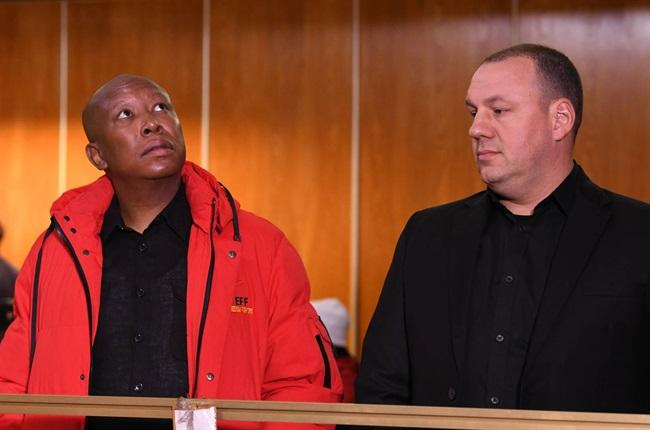
Julius Malema Sentenced: What the Court Decided and What Happens Next
Key Highlights
- Julius Malema has been sentenced to five years of direct imprisonment by the East London Magistrates Court.
- The conviction relates to firing a firearm in public during a 2018 EFF event.
- He was granted leave to appeal, meaning he is not going to jail immediately.
- The case has triggered strong reactions from political groups, including Economic Freedom Fighters and AfriForum.
- Analysts warn his possible absence could create leadership uncertainty within the EFF.
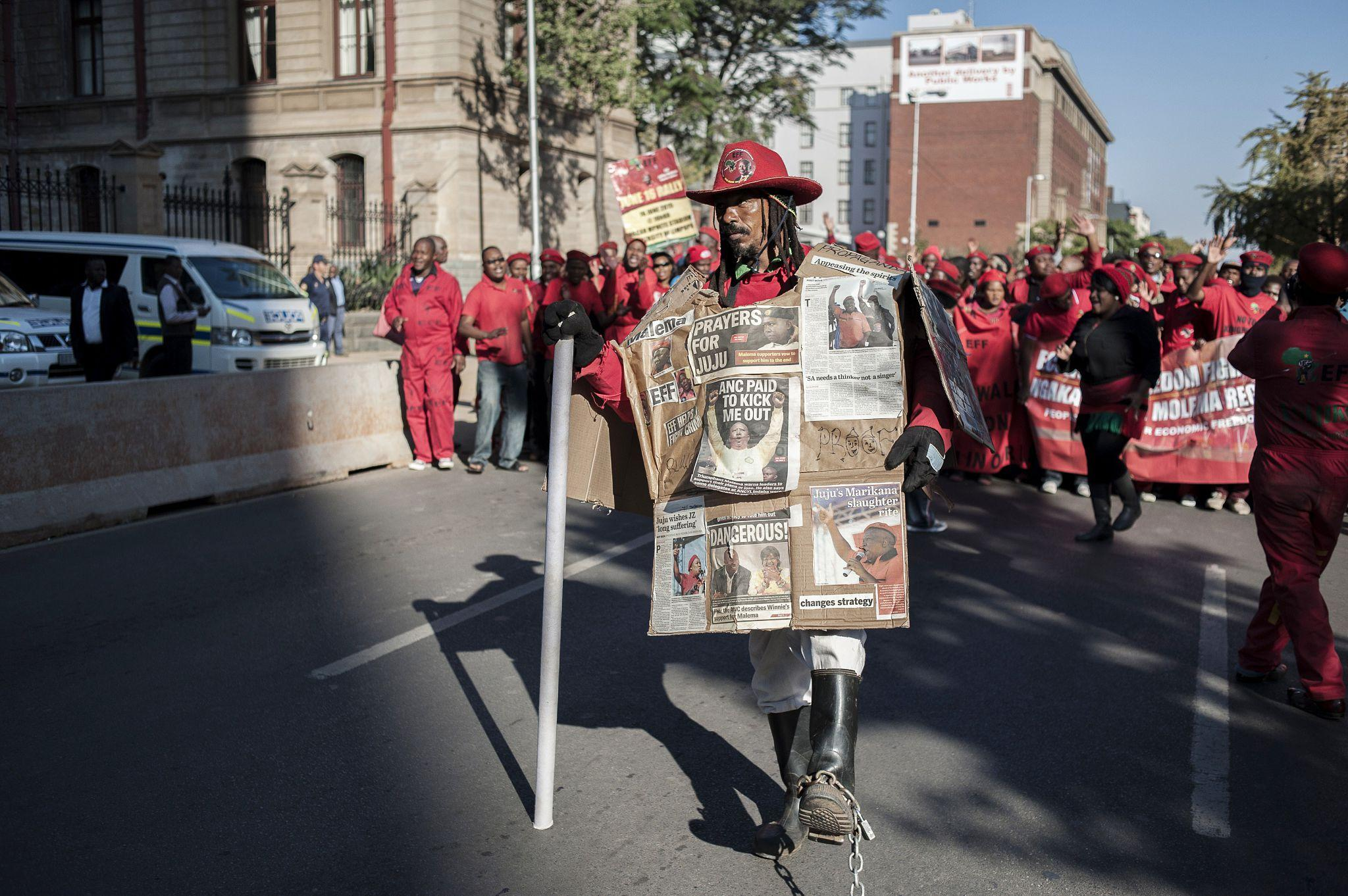
A Defining Moment in South African Politics
South Africa’s political landscape shifted significantly this week after opposition leader Julius Malema was sentenced to five years in prison. The ruling, delivered by Magistrate Twanet Olivier, stems from a long-running legal case tied to an incident that occurred nearly a decade ago.
The sentence immediately sparked nationwide attention, with searches surging around questions such as “Is Julius Malema going to jail today?” and “What did Malema do?”.
Despite the severity of the ruling, Malema walked out of court a free man—for now—after being granted leave to appeal.
What Did Julius Malema Do?
The case centers on a 2018 political rally in Mdantsane, Eastern Cape, where Malema was filmed firing what appeared to be a semi-automatic rifle into the air during celebrations.
The footage went viral, prompting legal action that would eventually lead to his conviction.
He was later found guilty on multiple counts, including:
- Unlawful possession of a firearm
- Discharging a firearm in a public or built-up area
- Reckless endangerment
The court rejected arguments that the act was harmless or symbolic. Magistrate Olivier emphasized that the incident was not impulsive but rather a central part of the event.
The Sentence: Five Years, But Not Immediate Jail
Malema’s sentence is formally described as “five years of direct imprisonment.” However, this does not mean he is heading to prison immediately.
The key development is that:
- He was granted leave to appeal
- He is currently out on warning
- The appeal process could take several years
As a result, Malema retains his political position and continues his activities while the legal process unfolds.
Malema’s Response: Claims of Political Motivation
Following the sentencing, Malema addressed supporters outside court, strongly rejecting the ruling.
He argued that the case is part of a broader effort to undermine him and his party, stating that there is a “hidden hand” influencing the judicial process.
He also criticized the presiding magistrate and described the sentence as disproportionate, insisting that the legal system is being used to silence dissenting political voices.
AfriForum and the Legal Battle
The case itself originated after AfriForum pursued legal action following the viral video.
The organization welcomed the sentence, framing it as a victory for the rule of law and reinforcing the principle that no individual is above the law.
This dynamic highlights a broader political and social divide, with supporters and critics interpreting the outcome through very different lenses.
Impact on the Economic Freedom Fighters (EFF)
The sentencing raises serious questions about the future of the EFF.
Political analyst Ongama Mtimka noted that the party could face unprecedented uncertainty if Malema is eventually imprisoned. His leadership has been central to the party’s identity since its formation.
However, EFF officials have downplayed the impact:
- They argue the party is not dependent on parliamentary presence
- They emphasize grassroots mobilization and broader political influence
The party maintains that its performance in upcoming elections will remain unaffected.
Why Malema Is Not in Jail Today
The most common question following the ruling is straightforward: Is Julius Malema going to jail today?
The answer is no—and the reason lies in South Africa’s legal process.
Granting leave to appeal means:
- The sentence is temporarily suspended
- Higher courts will review both the conviction and sentencing
- Only if the appeal fails will imprisonment be enforced
Legal experts indicate that this process can be prolonged, often extending over several years.
Broader Political and Legal Implications
Malema’s case is not just a legal matter—it is a political flashpoint.
Key implications include:
- Judicial independence vs political pressure debates
- Renewed scrutiny of firearm laws and public conduct
- Intensified tensions between political factions
The case also reinforces the role of the judiciary in holding public figures accountable, regardless of their influence or following.
What Happens Next?
The immediate next steps are procedural:
- Malema’s legal team will file a formal appeal
- Higher courts will review the case
- A final decision will determine whether the sentence stands
If upheld:
- Malema could face actual imprisonment
- He may also be disqualified from holding public office during that period
If overturned:
- The conviction or sentence could be reduced or dismissed
Conclusion: A Case That Will Shape the Political Landscape
Julius Malema’s sentencing marks one of the most consequential legal developments in recent South African politics.
While the five-year prison term signals a strong judicial stance, the appeal process ensures that the final outcome remains uncertain. For now, Malema continues to operate as a political leader, but the case introduces a level of instability that could reshape both his career and the trajectory of the EFF.
The coming months—and potentially years—will determine whether this moment becomes a turning point or a temporary disruption.


