

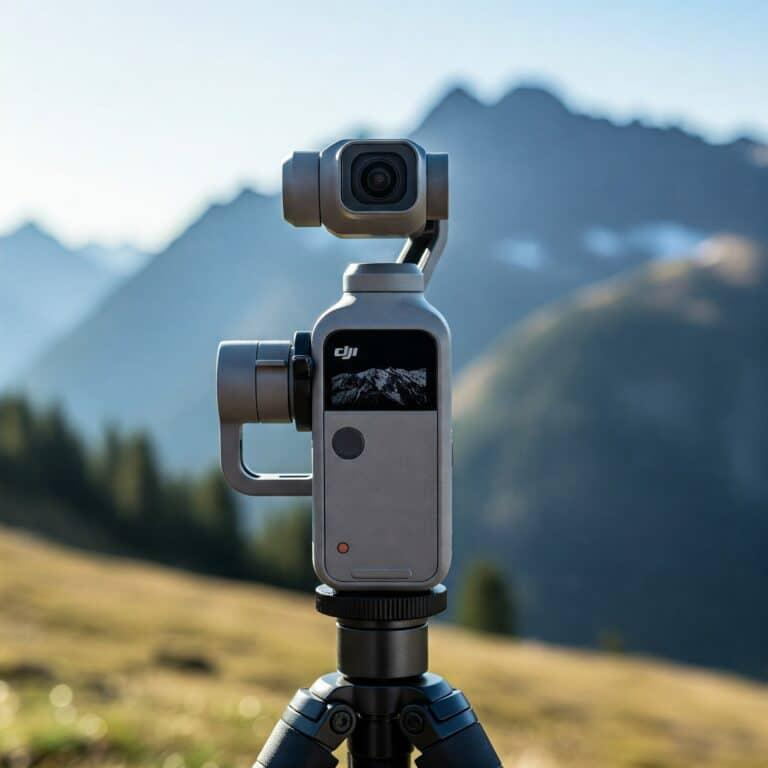
DJI Osmo Pocket 4 Review: A Compact Camera Built for Solo Creators
Introduction: A Familiar Device That Feels Significantly Refined
The DJI Osmo Pocket 4 arrives as the latest evolution in DJI’s compact gimbal camera lineup—one that has already established itself as a go-to tool for vloggers, solo filmmakers, and mobile content creators. Rather than reinventing the formula, this fourth-generation model focuses on refinement, performance upgrades, and workflow improvements.
At first glance, it looks almost identical to its predecessor. But under the surface, the Pocket 4 introduces meaningful changes—particularly in imaging, usability, and creator-focused features—that collectively push it closer to a professional-grade production tool.
This review examines whether those upgrades translate into a genuinely better experience, or if the device remains a modest iteration.
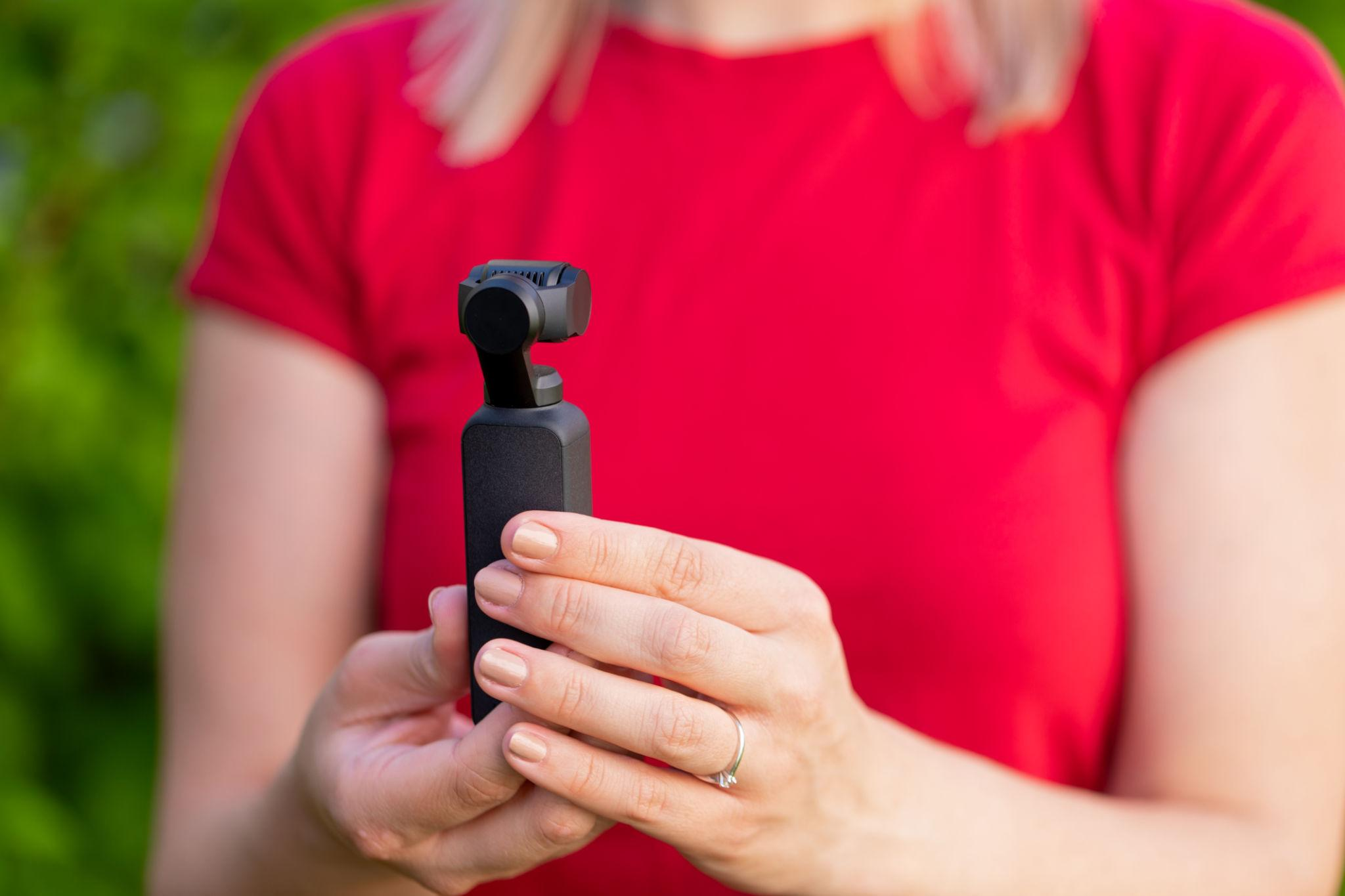
Design and Handling: Subtle Changes, Better Control
The overall form factor remains consistent with previous models: a slim, pocket-sized body with a motorized 3-axis gimbal mounted on top. This design continues to prioritize portability and one-handed operation.
However, usability has been noticeably improved.
- A new 5D joystick enables more precise gimbal control, responding proportionally to input pressure
- Two additional physical buttons beneath the touchscreen provide quick access to zoom and customizable functions
- The device is slightly larger and heavier, but still comfortably pocketable
These refinements reduce reliance on touchscreen navigation and make real-time adjustments significantly smoother—especially for solo shooters managing framing, focus, and movement simultaneously.
Performance and Imaging: The Core Upgrade
A New Sensor With Greater Dynamic Range
The most important upgrade is the new 1-inch CMOS sensor, now capable of delivering up to 14 stops of dynamic range .
In practical terms, this allows the camera to:
- Retain detail in both highlights and shadows
- Handle high-contrast environments more effectively
- Produce more balanced and cinematic footage
This is particularly evident in mixed lighting conditions—such as indoor scenes with bright windows or night shooting—where earlier models struggled.
Improved Low-Light Capabilities
Low-light performance has also been enhanced, with up to two stops of improvement compared to the previous generation .
Footage captured in dim environments appears:
- Brighter
- Cleaner
- Less noisy
Combined with a dedicated low-light mode, the Pocket 4 becomes far more usable in real-world conditions like night vlogging, events, or indoor filming.
Video Quality: Moving Closer to Cinematic Output
The Osmo Pocket 4 maintains 4K recording but introduces several upgrades that elevate overall video quality.
Key Video Features
- 4K recording up to 240fps for high-quality slow motion
- 10-bit color depth for richer color data and smoother gradients
- D-Log Pro mode for advanced color grading workflows
These features enable creators to move beyond basic vlogging into more cinematic production styles. Footage can be color graded with significantly greater flexibility, making it easier to match professional cameras.
Film Tones for Instant Style
For users who prefer minimal editing, DJI includes built-in Film Tones, which apply stylized color profiles directly in-camera.
Options include:
- CC Film (cool, Fuji-inspired tones)
- NC Film (classic negative look)
- Warm Tone, Pastel, Movie, and Retro styles
These presets allow creators to achieve a polished look without post-production, though they reduce flexibility once applied.
Stabilization and Tracking: Still Industry-Leading
The Pocket series has always excelled in stabilization, and the Pocket 4 continues that trend.
- 3-axis mechanical gimbal ensures smooth, stable footage even while walking or moving
- ActiveTrack 7.0 introduces improved subject tracking, including support for people, pets, and vehicles
Tracking performance is more responsive and reliable, making it especially valuable for solo creators who need to stay in frame without assistance.
Storage and Workflow: A Major Quality-of-Life Improvement
One of the most practical upgrades is the inclusion of 107GB of built-in storage .
This eliminates a common frustration: forgetting or managing microSD cards.
Additionally:
- USB 3.1 support enables transfer speeds of up to 800MB/s
- Faster workflows reduce downtime between shooting and editing
For content creators working on tight schedules, these improvements are as valuable as the camera’s imaging capabilities.
Battery and Endurance: Built for Longer Sessions
The Pocket 4 includes a 1,545mAh battery, representing an increase over the previous model .
Performance highlights:
- Around 2 to 2.5 hours of recording depending on settings
- Fast charging: up to 80% in 18 minutes
This extended battery life supports full-day shooting sessions with fewer interruptions.
Creator Ecosystem: Turning a Camera Into a Production Kit
The optional Creator Combo significantly expands the Pocket 4’s capabilities.
Included accessories may feature:
- Wireless microphone (DJI Mic 3)
- Magnetic fill light for low-light shooting
- Mini tripod and carrying case
The magnetic fill light, in particular, enhances usability in dark environments by providing adjustable brightness and color temperature, effectively acting as a portable lighting solution.
Limitations and Trade-Offs
Despite its strengths, the Pocket 4 is not without limitations.
Notable Drawbacks
- No optical zoom; digital zoom can degrade quality at higher levels
- Fixed 20mm lens limits framing flexibility
- No weather sealing, making it less suitable for extreme environments
- Vertical video remains capped at 3K resolution
Additionally, for existing Pocket 3 users, the improvements—while meaningful—may not justify an immediate upgrade unless specific features are needed.
Market Position: Still Leading the Compact Vlogging Category
Within its category, the Osmo Pocket 4 remains largely unmatched.
It occupies a unique space between:
- Smartphones (more convenient but less specialized)
- Mirrorless cameras (higher quality but less portable)
By combining stabilization, image quality, and portability, the Pocket 4 continues to define the compact vlogging camera segment.
Conclusion: A Refined Tool That Prioritizes Real-World Use
The DJI Osmo Pocket 4 is best understood as a refinement-focused upgrade rather than a radical redesign. It addresses practical limitations—storage, battery life, low-light performance—while improving image quality and usability.
For new users, it represents one of the most complete all-in-one content creation tools currently available. For existing users, it offers incremental but meaningful improvements that enhance everyday shooting.
Ultimately, the Pocket 4 succeeds because it simplifies production. It allows creators to film, track, light, and stabilize content with minimal setup—effectively functioning as a compact, portable production system.


