

Western Cape Government: Growth, Governance, and a Province in Motion
A Province Framing Its Own Trajectory
The Western Cape Government continues to position itself as one of the most economically active and administratively distinct provinces in South Africa. With a governance model that prioritizes economic growth, public health resilience, and sector-specific interventions, the province is increasingly defined by measurable outcomes rather than policy rhetoric.
Recent developments across tourism and agriculture provide a clear window into how provincial leadership is shaping both short-term responses and long-term strategy.
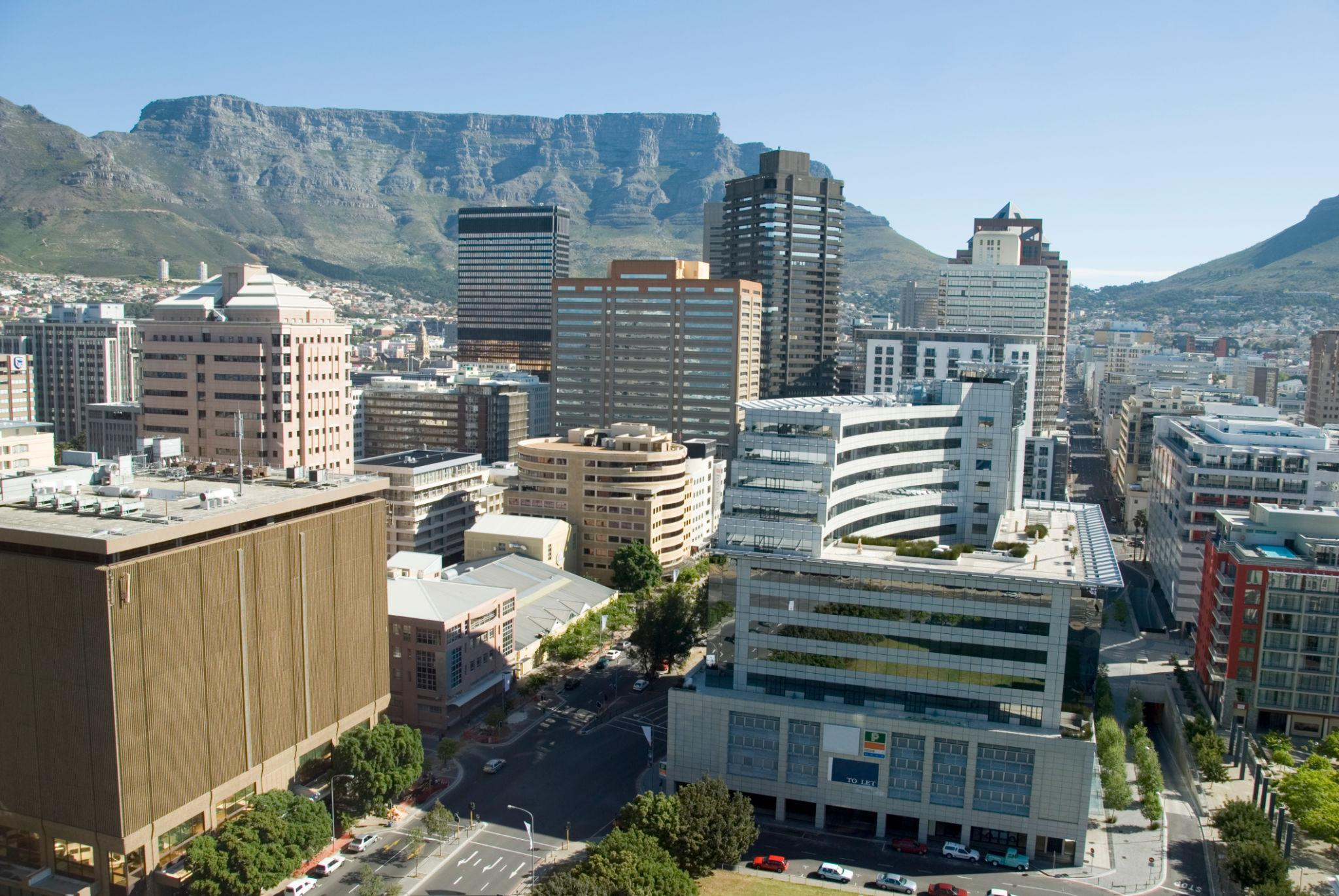
Tourism as an Economic Engine
Tourism remains one of the Western Cape’s most influential economic pillars, and recent data underscores its growing impact.
In 2025, 1.5 million international tourists spent nearly R26 billion in the province, accounting for roughly 25% of South Africa’s total international tourism revenue.
This performance reflects not only strong global demand but also strategic positioning. The Western Cape has established itself as a high-value destination rather than a volume-driven one.
Key Tourism Indicators
- International arrivals growth: 11.1% increase
- Domestic overnight trips: ~4 million (up 15.4%)
- Average domestic spend per trip: R3,172 (highest nationally)
The province’s ability to attract higher-spending visitors—both international and domestic—has strengthened its tourism revenue base even amid broader economic constraints.
According to Ivan Meyer:
“The Western Cape’s tourism performance in 2025 confirms that our province remains a top choice for both international and domestic travellers. We are building a tourism economy that continues to create jobs, supports communities, and protects our natural heritage.”
Global Recognition and Responsible Tourism
The province’s tourism success is not solely defined by visitor numbers or spending. Increasingly, it is tied to sustainability and inclusivity.
At the 2026 World Travel Market Africa Responsible Tourism Awards, several Western Cape-based organizations received recognition:
- Gold Awards for V&A Waterfront Academy and Table Mountain Aerial Cableway Company
- Silver Award for Unexplored Cape Town
- “One to Watch” recognition for Cape Tourist Guides Association
- Community-driven impact acknowledgment for Township & Village (Stellenbosch)
These accolades signal a deliberate shift toward responsible tourism models—ones that integrate environmental stewardship, skills development, and local economic participation.
Meyer emphasized the broader implication:
“These award winners show what is possible when tourism is designed to benefit local people as much as visitors.”
Policy Direction: Expanding Value, Not Just Volume
The Western Cape Government is actively refining its tourism strategy in response to national trends. While domestic travel volumes are rising across South Africa, spending per trip remains under pressure.
In response, the province is focusing on:
- Value-for-money tourism offerings
- Geographic diversification (encouraging travel beyond major hubs like Cape Town)
- Support for small tourism enterprises
- Protection of cultural and natural assets
This approach reflects a shift toward quality-driven tourism growth, aimed at maximizing economic returns while maintaining sustainability.
Agriculture Under Pressure: Managing Foot-and-Mouth Disease
While tourism has surged, the agricultural sector has faced a different set of challenges—most notably the management of foot-and-mouth disease (FMD).
Recent updates from Alan Winde indicate cautious optimism.
The province recorded:
- No new confirmed FMD cases for one month since 22 March 2026
- Last case identified in Prospect Hill, Cape Town
- No confirmed outbreaks in Central Karoo and Overberg districts
This milestone suggests that containment strategies are producing results, although officials stress that the risk remains.
The Mechanics of Disease Control
The Western Cape’s response to FMD illustrates a structured, multi-layered public health intervention.
Vaccination and Coverage
- 161,713 vaccine doses administered
- 730 vaccination sites
- 35% overall coverage
- 7,925 booster doses delivered
Regional coverage varies:
- West Coast: 63%
- City of Cape Town: 56%
- Cape Winelands: 35%
- Garden Route: 31%
An additional 50,000 Bioaftogen vaccine doses are being deployed to strengthen immunity in high-risk areas.
Control Measures in Place
- Enhanced surveillance
- Movement control and permit enforcement
- Livestock traceability systems
- On-farm biosecurity protocols
Meyer reinforced the central role of vaccination:
“Vaccination remains the cornerstone of the Western Cape’s disease control strategy.”
Economic and Social Implications
The dual focus on tourism growth and agricultural protection highlights the Western Cape Government’s broader economic balancing act.
Tourism Impact
- Job creation tied to visitor growth
- Strengthening of small and medium enterprises
- Increased foreign exchange earnings
Agricultural Stability
- Protection of livestock industries
- Safeguarding rural livelihoods
- Ensuring food security
These sectors are interdependent. A disruption in agriculture can affect food supply chains, while tourism relies on stable infrastructure and environmental integrity.
Governance Model: Data-Driven and Sector-Specific
What distinguishes the Western Cape Government’s approach is its reliance on data-informed decision-making.
- Tourism strategies are refined using spending and travel pattern data
- Disease control measures are adjusted based on vaccination coverage and case tracking
- Resource allocation targets high-impact areas
This model reflects a shift from generalized policy frameworks to targeted interventions.
Looking Ahead: Growth with Constraints
Despite positive indicators, several structural challenges remain:
- Economic pressure affecting domestic travel spending
- Continued risk of disease resurgence in agriculture
- Dependence on international tourism markets such as the United Kingdom and Germany
The Western Cape Government’s current trajectory suggests a focus on:
- Strengthening resilience across sectors
- Expanding inclusive economic participation
- Maintaining competitiveness in global tourism
Conclusion: A Province Defining Its Own Model
The Western Cape Government is navigating a complex policy landscape with a dual emphasis on growth and sustainability. Its ability to drive tourism revenue while managing agricultural risks reflects a governance model grounded in execution rather than abstraction.
The province’s recent performance indicates a system that is responsive, adaptive, and increasingly outcome-oriented. Whether this model can be sustained amid broader national and global pressures remains an open question—but current indicators suggest a province that is not only managing challenges, but actively shaping its future.


