

Invincible Comics: From Cult Favorite to Global Superhero Phenomenon
A Modern Superhero Story That Refused to Follow the Rules
Few comic book series have reshaped the modern superhero landscape quite like Invincible. What began in 2003 as a bold, creator-owned title quickly evolved into one of the most influential comic runs of the 21st century. Built on a foundation of emotional storytelling, brutal realism, and long-form character development, the series has transitioned from page to screen—and now back again—while maintaining a loyal global following.
As of 2026, Invincible stands at a pivotal moment. With renewed interest driven by its television adaptation, new comic releases, and strategic reissues, the franchise is experiencing a second life that is arguably as impactful as its original run.
The Foundation: A 15-Year Comic Run That Redefined Superheroes
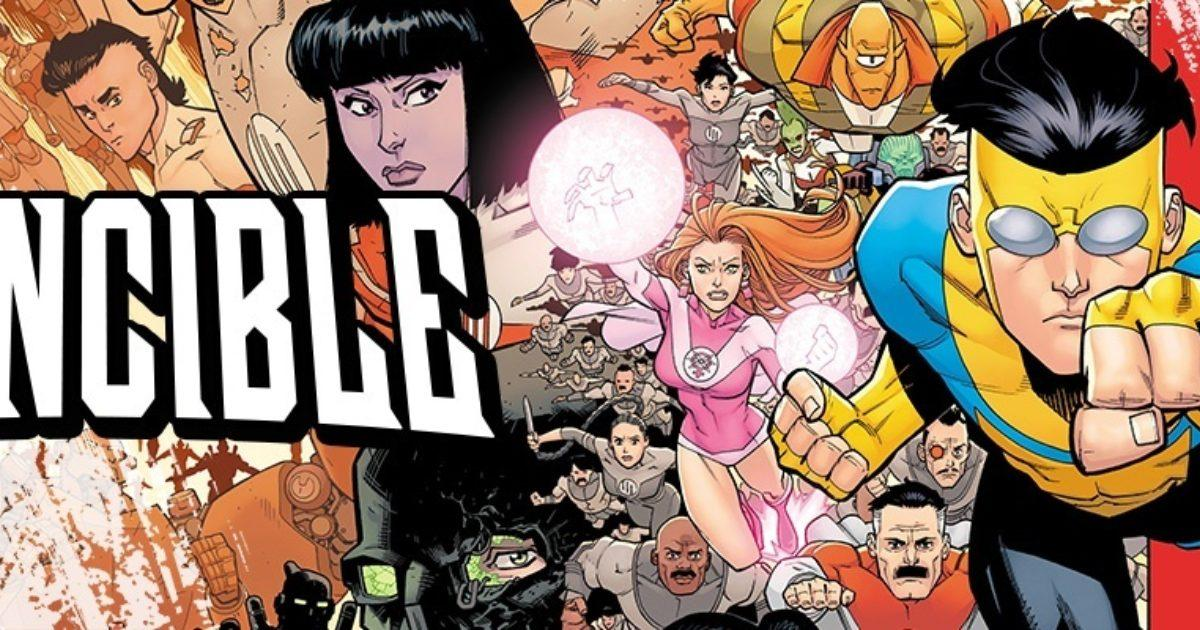
At its core, Invincible is the story of Mark Grayson, a teenager navigating life as the son of a powerful alien superhero while discovering his own abilities. The comic series, created by Robert Kirkman and illustrated by Ryan Ottley, ran for over a decade, concluding in 2018 with issue #144 after a 15-year journey.
Unlike traditional superhero comics dominated by legacy publishers, Invincible was published through Image Comics, allowing the creators full narrative control. This autonomy enabled a consistent storyline with long-term consequences—something rare in mainstream superhero publishing.
The series ultimately spanned:
- 144 core issues
- Multiple spin-offs and crossovers
- A continuous, linear narrative with a definitive ending
This structure gave Invincible a unique advantage: readers could experience a complete superhero saga without reboots or retcons disrupting the story.
The Streaming Effect: How Television Reignited Comic Demand
The release of the animated adaptation on Prime Video marked a turning point for the franchise. Premiering in 2021, the show introduced Invincible to a significantly broader audience, eventually reaching viewers in over 240 countries.
By 2026, the series had reached its fourth season, with strong reviews and an already confirmed continuation into Season 5.
This renewed visibility has had measurable effects on the comic market:
- Increased demand for collected editions
- New readers entering the franchise
- Renewed interest in key story arcs
Retailers and platforms have responded accordingly. Ahead of the Season 4 finale, discounts of roughly 20% were introduced on compendium editions and omnibus releases, making it easier for newcomers to access the original material.
The compendiums, in particular, have become central to this resurgence. Each volume compiles approximately 50 issues, offering a comprehensive reading experience in just three books.
Where the Comics Stand Today: Story Progression and Entry Points
For readers transitioning from the television series to the comics, timing matters.
Season 4 of the show aligns closely with issues #77–78, meaning that readers can continue the story by starting at issue #79.
This positioning is significant for two reasons:
- The narrative is already past the halfway point, given the full 144-issue run.
- Upcoming arcs introduce some of the most consequential developments in the series.
This seamless crossover between screen and page has helped sustain engagement during gaps between seasons—an increasingly important factor in modern franchise strategy.
Adaptation vs. Original: Strategic Changes That Keep Fans Engaged
One of the defining strengths of the Invincible franchise is its approach to adaptation. While the show remains broadly faithful to the comics, it introduces targeted changes to enhance pacing and expand character arcs.
Key adjustments in Season 4 include:
- Expanded presence of major villains like Conquest
- Reimagined characters, such as a gender-swapped Tech Jacket
- Entirely new storylines, including Mark’s journey to a supernatural underworld
- A compressed timeline for major events like the Viltrumite War
These changes serve a strategic purpose: they preserve the core narrative while ensuring that even long-time comic readers encounter fresh material.
As Robert Kirkman explained, the goal is to “introduce changes to the story that will surprise comic readers while also expanding on the original story.”
A Franchise Reborn: The Return of Invincible Comics
After the original series concluded in 2018, many assumed the comic universe had reached its endpoint. That assumption proved premature.
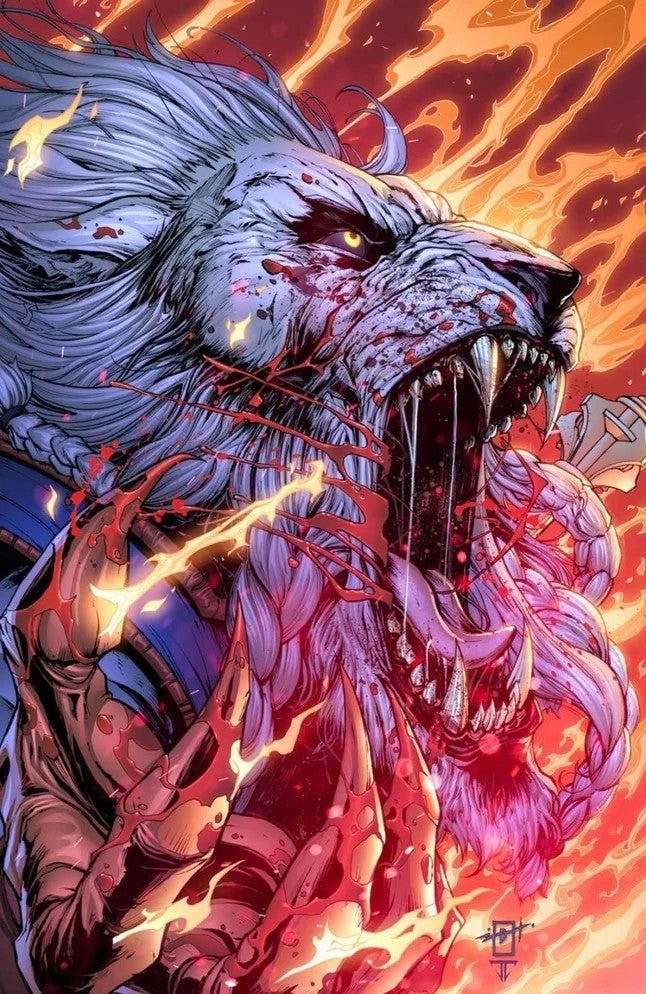
In April 2025, Invincible returned with a new prequel series: “Invincible Universe: Battle Beast.”
This revival is notable for several reasons:
- It reunites the original creative team (Kirkman and Ottley)
- It explores previously untold stories within the timeline
- It focuses on one of the franchise’s most popular characters
The character Battle Beast, introduced early in the original run, became a fan favorite due to his brutal combat style and mysterious motivations. The new series fills a major narrative gap between earlier issues, addressing long-standing fan demand.
According to the publisher, this storyline had been “the most requested Invincible story ever published.”
The Business of Invincible: Comics, Collections, and Crossovers
The current phase of the Invincible franchise reflects a broader industry trend: integrated multimedia storytelling.
Several commercial strategies are now in play:
1. Collected Editions and Omnibus Releases
New omnibus editions—including one collecting issues #1–48—are being released to align with the show’s popularity.
2. Digital Accessibility
Platforms like Kindle Unlimited provide entry points for readers who prefer digital formats.
3. Cross-Media Expansion
A new fighting game, Invincible VS, is scheduled for release on April 30, extending the brand into gaming.
4. Collector Incentives
Innovations such as blind bag comic covers introduce rarity and collectibility, encouraging repeat purchases.
Together, these strategies position Invincible as a fully integrated entertainment ecosystem rather than a standalone comic series.
Cultural Impact: Why Invincible Still Matters
Beyond commercial success, Invincible has had a measurable cultural impact.
It challenged traditional superhero narratives by:
- Emphasizing long-term consequences over episodic resets
- Blending extreme violence with emotional depth
- Exploring themes of identity, morality, and power
The series also demonstrated the viability of creator-owned superhero properties competing with industry giants.
Its influence can now be seen across:
- Animated superhero storytelling
- Streaming adaptations of comic properties
- Audience expectations for serialized narratives
What Comes Next: Future of the Invincible Universe
Looking ahead, the Invincible franchise shows no signs of slowing down.
Confirmed and anticipated developments include:
- Season 5 of the animated series, expected around 2027
- Continued expansion of comic spin-offs and prequels
- Potential further seasons extending toward a full adaptation of all 144 issues
- Additional multimedia projects, including games and merchandise
Industry projections suggest the animated series could run seven to eight seasons, depending on pacing and adaptation choices.
This long-term roadmap reinforces the franchise’s durability in an increasingly competitive entertainment landscape.
Conclusion: A Rare Example of Sustained Storytelling Success
Invincible comics represent a rare case where a creator-owned property achieves longevity, critical acclaim, and commercial expansion without losing its narrative integrity.
From its original 15-year comic run to its modern multimedia resurgence, the series has consistently adapted to new audiences while respecting its core identity.
Today, it stands not just as a successful comic—but as a blueprint for how storytelling can evolve across formats without fragmentation.
For both new readers and long-time fans, the current moment offers a clear opportunity: to experience Invincible in its original form while watching its universe expand in real time.


