

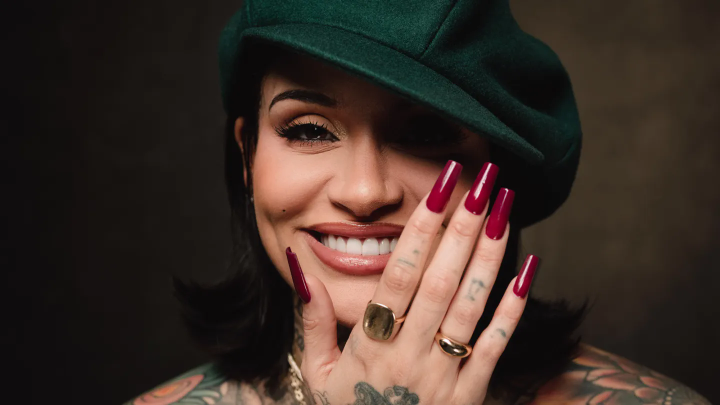
Kehlani’s New Era: A Narrative of Growth, Sound, and Self-Definition
From Oakland Dreams to Global Recognition
Kehlani’s story has never followed a straight line—and that’s precisely what makes it compelling. From their early days performing on America’s Got Talent in 2011 to building a catalog of deeply personal R&B projects, the Oakland-born artist has steadily shaped a career defined by authenticity and evolution.
Their 2014 debut Cloud 19 laid the foundation, introducing a voice that felt both vulnerable and assured. Soon after, You Should Be Here expanded their reach, propelled by “The Way” featuring Chance The Rapper—a record that marked their first major radio breakthrough and brought mainstream attention.
Over time, Kehlani’s artistry matured. During the pandemic era, It Was Good Until It Wasn’t showcased a darker, introspective tone, producing standout tracks like “Toxic,” “Can I,” and “Water.” Each release reflected not just musical growth, but a deeper willingness to explore emotion, identity, and lived experience.
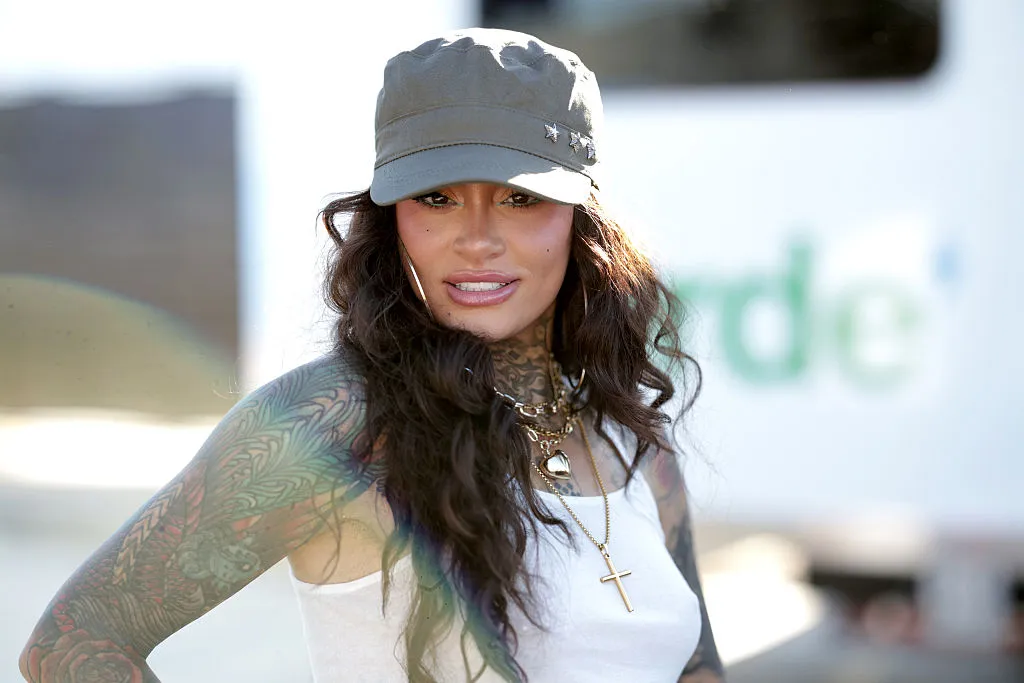
“Folded” and the Turning Point
Everything changed with “Folded.”
The single didn’t just succeed—it reshaped Kehlani’s trajectory. The song earned them their first Grammys for Best R&B Song and Best R&B Performance, reached the Top 10 on the Billboard Hot 100, and became a cultural moment fueled by viral engagement and widespread acclaim.
Reflecting on its creation, Kehlani described the track as almost accidental, born from a studio session that unexpectedly turned into something special. Yet its emotional core—a nuanced exploration of regret, connection, and vulnerability—resonated widely.
“It took [on] its own life,” they explained, capturing how an intimate idea transformed into a defining career milestone.
The success of “Folded” didn’t just elevate Kehlani’s profile; it created a new level of expectation. And instead of retreating, they leaned into it.
Entering Album Mode: A Self-Titled Statement
Now, Kehlani is stepping into what may be the most significant chapter of their career: a self-titled album.
The project, set to release on Friday, April 24, represents more than just another addition to their discography—it’s positioned as a personal and artistic declaration. The singer has already begun building anticipation through listening parties in New York and Los Angeles, including the immersive “Club Kehlani” experience designed to give fans early access to the music.
“Enjoy it with your friends, enjoy it with yourself,” Kehlani said, describing how the album is meant to be experienced across different moments of life—from late-night drives to sunrise reflections.
This new era is also defined by scale. The album boasts an extensive and diverse list of collaborators, including Lil Wayne, T-Pain, Cardi B, Usher, Missy Elliott, Brandy, Big Sean, Lil Jon, Leon Thomas, and the Clipse. The lineup signals both respect from industry veterans and Kehlani’s ability to bridge generations within R&B and hip-hop.
A Sound Rooted in Purpose
Despite its star power, the album’s mission is deeply focused.
Kehlani has been clear about their goal: to reaffirm the artistic depth of R&B. “I want people to take away that good quality R&B is actually genius,” they said, emphasizing the technical complexity and emotional richness often overlooked in the genre.
The album promises a balance—what Kehlani describes as “equal parts bops, equal parts feels.” Upbeat tracks reflect a mature, “grown, sexy” perspective on nightlife and independence, while ballads explore love with calm clarity rather than desperation.
This duality mirrors Kehlani’s own evolution: no longer chasing validation, but instead crafting music that feels intentional and complete.
Identity, Influence, and Cultural Impact
Kehlani’s influence extends far beyond music.
As a queer artist, they’ve played a role in expanding representation within R&B, helping create spaces where fans feel seen and understood. While they describe this impact as unintentional, its significance is undeniable.
“I feel like my concerts are hilariously gay, and it’s a good old stinking time,” they noted, highlighting the inclusive energy that defines their live performances.
Their openness about mental health—particularly their bipolar disorder diagnosis—has also added another dimension to their public presence. By sharing personal struggles and the importance of self-awareness, Kehlani has contributed to broader conversations around wellness in the music industry.
Balancing Fame, Creativity, and Reality
With success comes complexity.
Kehlani has spoken candidly about navigating fame in an era dominated by social media, criticism, and even emerging challenges like AI manipulation. From dealing with online negativity to confronting disturbing uses of artificial intelligence, they’ve acknowledged the darker side of visibility while choosing to remain grounded.
At the same time, they’ve redefined their personal priorities. Rest, routine, and mental health are now non-negotiables—an intentional shift away from the industry’s “grind until you die” culture.
“I need eight hours of sleep, three meals a day, the routine, and the wellness,” they said, underscoring a philosophy centered on sustainability rather than burnout.
The Road Ahead: A Defining Chapter
As the self-titled album approaches, one thing is clear: Kehlani is no longer chasing a moment—they are defining one.
The journey from Cloud 19 to Grammy-winning success has been marked by resilience, experimentation, and unwavering authenticity. Now, with heightened expectations and a broader platform, this new release carries the weight of both legacy and possibility.
If their track record is any indication, this next chapter won’t just meet expectations—it may redefine them.


