


The Supreme Leader of Iran: Power, Silence, and a System Under Strain
A Leadership Role at the Center of Power
The position of Supreme Leader in Iran is the most powerful office within the Islamic Republic’s political system—far exceeding the authority of the president, parliament, or judiciary. It is a role that blends religious authority with political control, shaping national strategy, military direction, and foreign policy.
In 2026, that role has taken on renewed global attention following the emergence of Mojtaba Khamenei as the country’s new supreme leader. His leadership comes at a moment defined by geopolitical tension, internal uncertainty, and a complex negotiation landscape involving the United States and regional actors.
Yet, unlike his predecessors, Mojtaba Khamenei’s tenure has begun under unusual circumstances—marked not by visibility and direct communication, but by absence and ambiguity.
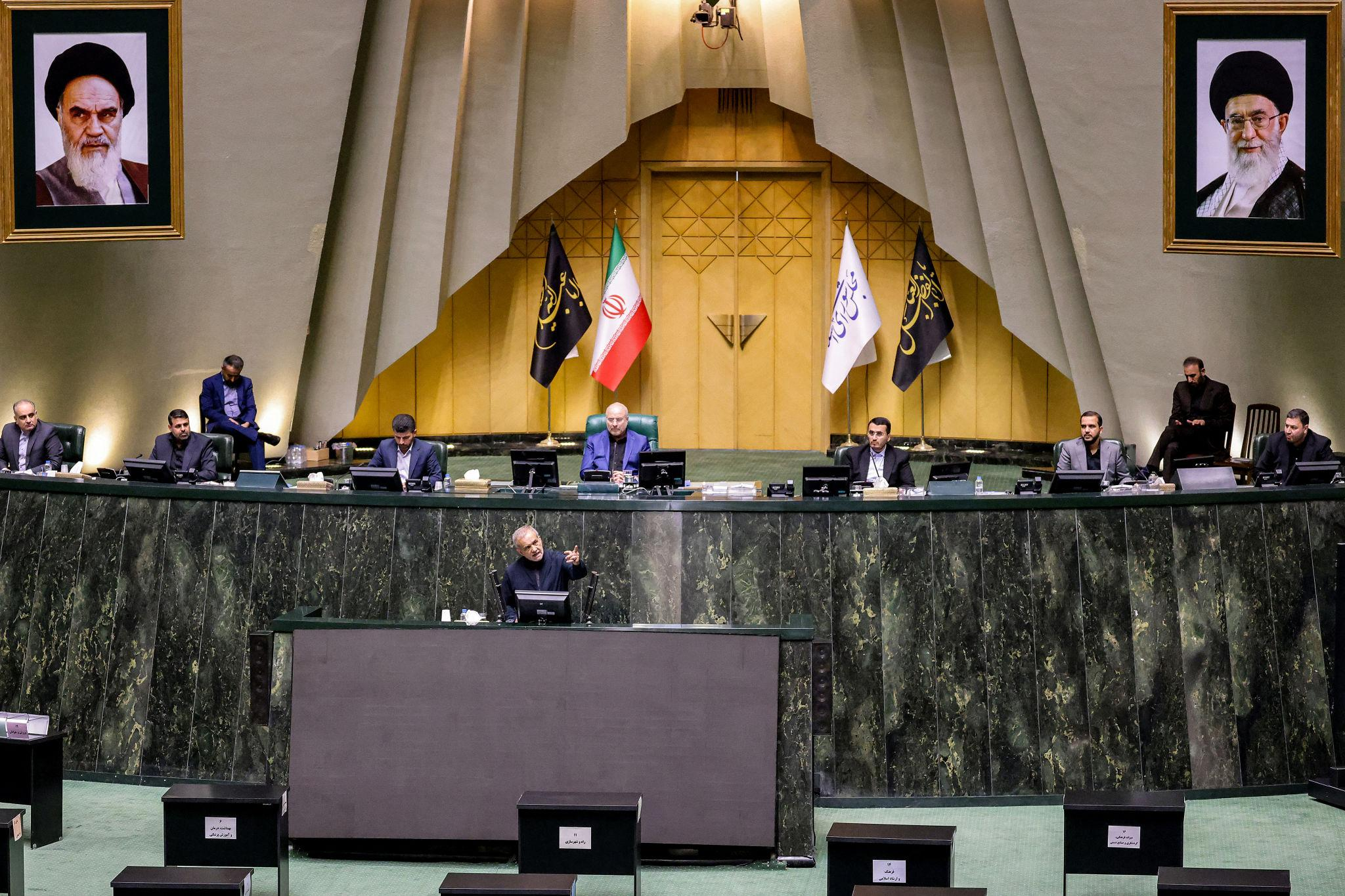
A Leader Who Governs Without Visibility
More than six weeks after assuming power following the death of his father, Ali Khamenei, Mojtaba Khamenei has not appeared publicly. There have been no confirmed speeches, live addresses, or direct engagements with the Iranian public.
Instead, communication attributed to him has been limited to written messages circulated through state media. In some instances, even video content associated with him has reportedly been generated artificially, intensifying speculation about his physical condition and capacity to govern.
This absence contrasts sharply with the leadership style of his father, who maintained a highly visible presence for decades, regularly delivering speeches and directly influencing public discourse.
The result is a leadership model that appears deliberately opaque—one that raises fundamental questions about how power is being exercised behind the scenes.
Decision-Making in the Shadows
Despite the lack of public visibility, there is consistent indication that Mojtaba Khamenei remains central to Iran’s decision-making apparatus.
According to senior Iranian officials, negotiators involved in international talks “make decisions collectively and carry out their duties under the direction” of the supreme leader. This suggests a system where authority is maintained, even if it is not visibly exercised.
However, analysts and insiders describe a more nuanced reality. The leadership structure appears to rely on a hybrid model—where the supreme leader provides broad approval for key decisions, while operational control rests with senior political and military figures.
This arrangement allows negotiators to proceed while maintaining legitimacy. At the same time, it creates a buffer against internal criticism, as decisions can be attributed to the supreme leader without direct confirmation or contradiction.
Negotiations, Ceasefires, and Strategic Control
The role of the supreme leader is particularly evident in the ongoing negotiations between Iran and the United States.
Reports indicate that Iranian negotiators have delayed or avoided participation in talks while awaiting a “green light” from Mojtaba Khamenei. This underscores a critical reality: no major diplomatic agreement can move forward without approval from the supreme leader—or at least the perception of such approval.
At the same time, internal divisions have become increasingly visible. Civilian leaders, including parliamentary and diplomatic figures, have advocated for continued negotiations and potential agreements. In contrast, elements within the military establishment, particularly the Islamic Revolutionary Guard Corps, have resisted concessions.
These competing pressures highlight the central importance of the supreme leader’s authority. Without clear direction, negotiations risk stalling, fragmenting, or collapsing altogether.
Internal Tensions and a Fragmented System
Iran’s political system has always been complex, but recent developments suggest an increase in internal strain.
Public disagreements, criticism from state-affiliated media, and confusion over policy decisions point to a system grappling with uncertainty. In some cases, even senior officials have faced backlash for actions perceived as premature or unauthorized—raising questions about whether decisions had the necessary leadership approval.
This environment has fueled speculation about fragmentation within the regime. However, official messaging continues to emphasize unity, particularly in the face of external pressure and ongoing conflict.
The absence of a visible supreme leader has amplified these tensions. Without a central figure actively shaping public perception, competing narratives and interpretations have gained traction.
External Pressure and Global Implications
The influence of the supreme leader extends beyond Iran’s borders, shaping regional stability and global geopolitics.
Recent developments have underscored this reality. Statements attributed to U.S. officials have suggested potential escalation scenarios, including threats directed at Iran’s leadership. While some of these claims remain unverified, they reflect the high-stakes environment surrounding Iran’s current leadership transition.
At the same time, ceasefire negotiations and diplomatic efforts remain closely tied to decisions made—or perceived to be made—by the supreme leader. Even delays in communication can have immediate consequences for international relations, energy markets, and regional security.
A System Built on Authority—and Ambiguity
The concept of the supreme leader is rooted in Iran’s post-revolutionary political framework, designed to ensure ideological continuity and centralized control.
In practice, the role combines:
- Religious leadership as a senior cleric
- Political authority over state institutions
- Command of military forces
- Oversight of strategic policy decisions
Under Mojtaba Khamenei, this structure remains intact—but its execution has shifted. Authority appears less performative and more concealed, relying on institutional mechanisms rather than personal visibility.
For some observers, this represents a strategic adaptation, allowing the regime to operate with flexibility during a period of instability. For others, it signals vulnerability, exposing gaps in leadership and coordination.
What Comes Next?
The future of Iran’s leadership—and the role of its supreme leader—will depend on several key factors:
- Whether Mojtaba Khamenei emerges publicly to assert direct authority
- How internal divisions within the political and military elite are managed
- The outcome of ongoing negotiations with global powers
- The regime’s ability to maintain domestic cohesion under pressure
If current trends continue, Iran may be entering a new phase of governance—one defined less by a singular, visible leader and more by a distributed system of power operating under the symbolic authority of the supreme leader.
Conclusion: Leadership Without Presence
The position of Supreme Leader in Iran remains the cornerstone of the country’s political system. Yet, in 2026, that role is being redefined in real time.
Mojtaba Khamenei’s leadership is characterized not by public speeches or visible control, but by indirect influence, strategic silence, and institutional reliance. This approach has allowed the system to function during a period of crisis—but it has also introduced uncertainty at the highest levels of power.
As Iran navigates internal pressures and external challenges, the question is no longer just who holds authority—but how that authority is exercised, communicated, and sustained in an increasingly complex environment.


