


Earth Day Today: From Protest Movement to Practical Action
A Global Moment Rooted in Crisis
Every year on April 22, Earth Day brings millions of people together around a shared objective: protecting the planet. What began as a response to environmental disaster has evolved into a broader, more practical movement focused on sustainability, community action, and long-term ecological balance.
In 2026, Earth Day fell on Wednesday, April 22, followed closely by Arbor Day on April 24—two observances that emphasize the critical role of plants and trees in sustaining life. While the awareness message remains consistent, the meaning of Earth Day has shifted significantly over time, reflecting both environmental progress and emerging challenges.
The Origins: A Movement Born from Environmental Crisis
Earth Day was first established in 1970 in the aftermath of the 1969 Santa Barbara oil spill, one of the most devastating environmental disasters in U.S. history at the time. The founder aimed to channel the energy of the anti-war movement of the late 1960s into environmental activism.
The timing was critical. Industrial pollution had reached alarming levels, and public awareness of environmental damage was growing rapidly. The early Earth Day movement led directly to the creation of the Environmental Protection Agency (EPA) and the introduction of significant environmental regulations.
These measures proved effective. Over time, they contributed to cleaner air and water, marking one of the most successful large-scale environmental policy efforts in modern history.
Earth Day Today: A Shift Toward Sustainability
While the early years focused on regulation and activism, today’s Earth Day emphasizes sustainable ecosystems and everyday environmental practices. The conversation has moved from protest to participation—encouraging individuals and communities to adopt habits that reduce environmental impact.
Key modern priorities include:
- Reducing waste
- Conserving energy
- Supporting biodiversity
- Promoting sustainable land use
However, these initiatives often attract only highly engaged environmental advocates. For the broader population, Earth Day’s relevance is increasingly tied to practical, accessible actions that fit into daily life.
The Power of Planting: A Simple but Effective Solution
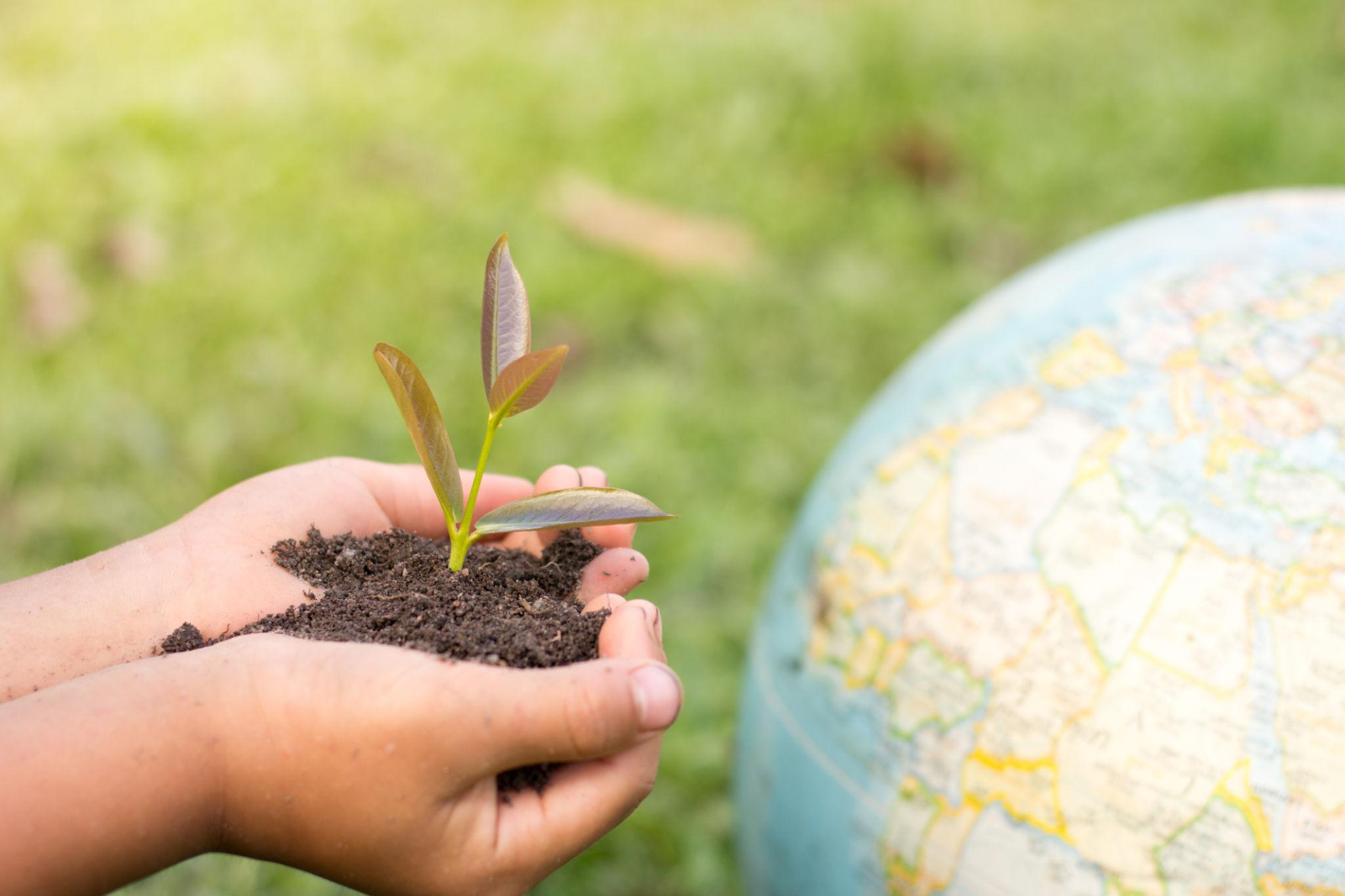
One of the most widely accessible ways to contribute to environmental sustainability is through planting—particularly gardening and landscaping with purpose.
Plants offer measurable environmental benefits:
- They improve air quality
- Support pollinating insects
- Strengthen ecosystems
- Enhance soil health
Among all plant types, native plants provide the highest ecological value. Because they are adapted to local environments, they better support surrounding wildlife and require fewer resources to maintain.
Adding native plants to a home landscape is one of the most effective and realistic ways individuals can participate in Earth Day.
Why Trees Matter More Than Ever
Trees play a central role in environmental sustainability, yet they are often overlooked in modern environmental strategies.
Depending on their size, trees can absorb up to 48 pounds of carbon each year. This makes them one of the most efficient natural tools for combating climate change. Despite this, discussions around environmental improvement often prioritize reducing fossil fuel use while giving less attention to tree planting.
Environmental and Economic Benefits of Trees
Trees provide a range of tangible benefits, particularly in urban and suburban environments:
- Reduce heating and cooling energy use by up to 10%
- Improve air quality by filtering pollutants
- Lower outdoor temperatures through shade
- Reduce noise pollution
- Increase property values by 3–15%
These benefits extend beyond environmental impact, influencing public health, economic stability, and overall quality of life.
The Urban Challenge: Declining Tree Coverage
While efforts have been made to increase tree populations in forested areas, urban and suburban regions have seen a decline in tree coverage. This is particularly concerning because these areas experience higher levels of pollution, heat, and noise—conditions that trees help mitigate.
In many neighborhoods, front yards that once featured trees are now empty. Streets that were previously lined with greenery have gradually lost their natural character. This shift reflects changing priorities and, in some cases, misconceptions about maintenance.
Common concerns include:
- The effort required to maintain trees
- Leaf cleanup during seasonal changes
- Perceived inconvenience
However, these concerns often overlook the long-term benefits. For example, fallen leaves naturally decompose and enrich soil, reducing the need for artificial fertilizers.
Changing Perceptions: Trees as Long-Term Assets
A recurring issue is how trees are perceived. Some view them as an added responsibility rather than a long-term investment. In reality, trees require relatively low maintenance once established and deliver ongoing environmental and economic returns.
Rather than being a burden, trees contribute directly to:
- Healthier living environments
- Lower energy costs
- Increased property value
- Improved mental well-being
The reframing of trees—from obligation to asset—is essential for reversing current trends in urban landscaping.
Community Engagement: Earth Day in Action
Across communities, Earth Day continues to serve as a platform for education, engagement, and collective action.
At events such as the Earth Day Festival held on April 21, 2026, in Dunn Meadow in Bloomington, students and community members gathered to promote sustainability through interactive activities. Booths focused on renewable energy, environmental health, and creative reuse.
Examples of activities included:
- Distribution of mini wind turbines to raise awareness about renewable energy
- Thrift clothing sales promoting reuse and waste reduction
- Educational discussions on environmental health, including links between air quality and diseases such as Alzheimer’s and dementia
- Creative workshops, such as origami flower-making, tied to mental health awareness
These events demonstrate how Earth Day has expanded beyond policy advocacy into grassroots community engagement.
Incentives and Innovation: Encouraging Sustainable Choices
Public institutions and organizations are also leveraging Earth Day to promote sustainable behavior through incentives.
For example, Ben Franklin Transit offered free rides across the Tri-Cities area on April 22, 2026. The initiative highlighted the environmental benefits of public transportation, including reduced air pollution, decreased traffic congestion, and improved community health.
Such programs illustrate how policy and public services can align with Earth Day goals, making sustainable choices more accessible.
Inspiring the Next Generation
Education remains a central pillar of Earth Day. Initiatives like the 2026 Earth Day Poster Contest engaged young students in environmental awareness through creativity.
The contest received 270 entries from kindergarten through fifth-grade students, each incorporating themes related to wildlife, plants, and ecosystems. Participants were encouraged to focus on native environmental elements, reinforcing the importance of local ecosystems from an early age.
Recognition through awards and community visibility helps cultivate long-term environmental stewardship among younger generations.
The Broader Impact: Society, Culture, and the Future
Earth Day’s evolution reflects broader societal changes. Environmental awareness is no longer confined to activism; it is integrated into daily decision-making, urban planning, and economic policy.
Key trends shaping the future of Earth Day include:
- Increased focus on local, actionable solutions
- Greater integration of sustainability into urban development
- Expansion of environmental education programs
- Growing use of incentives to encourage sustainable behavior
Despite progress, challenges remain. Public engagement is uneven, and some of the most effective solutions—such as tree planting—are still underutilized.
Conclusion: From Awareness to Action
Earth Day has transitioned from a protest-driven movement to a practical framework for environmental responsibility. Its continued relevance depends on the ability to translate awareness into action.
The most impactful contributions are often the simplest:
- Planting native species
- Adding trees to urban landscapes
- Supporting sustainable transportation
- Participating in community initiatives
These actions, while small individually, collectively contribute to healthier ecosystems and more sustainable communities.
As Earth Day continues to evolve, its message remains consistent: meaningful environmental change begins with individual choices, reinforced by collective effort.


