

Interest Rate 3: Why Global Shocks Are Rewriting the Path of Borrowing Costs
A Market on Edge: The New Reality for Interest Rates
The global outlook for interest rates has shifted sharply in 2026, replacing earlier optimism with growing uncertainty. At the start of the year, policymakers and investors anticipated a gradual easing cycle, with central banks expected to cut rates and support economic growth. Instead, a convergence of geopolitical tensions, energy shocks, and political pressure has complicated the trajectory.
What has emerged is a more fragile environment—one where central banks are increasingly constrained, inflation risks are resurfacing, and households are facing renewed financial pressure. This evolving landscape reflects not just economic fundamentals, but also the growing influence of global events on monetary policy decisions.
From Optimism to Constraint: A Sudden Shift
Early 2026 began with relatively strong economic signals. Growth was steady, inflation appeared manageable, and expectations for rate cuts gained momentum. In South Africa, for example, inflation slowed to 3.0% in February—aligning with the central bank’s target—while GDP expanded for a fifth consecutive quarter. Fiscal indicators also showed improvement, including a narrowing deficit and stabilizing debt levels.
However, external shocks quickly disrupted this trajectory. Escalating geopolitical conflict—particularly involving Israel, the United States, and Iran—triggered a sharp rise in global oil prices following disruptions in the Strait of Hormuz. This supply shock has had immediate consequences, pushing up fuel costs and reigniting inflationary pressures.
As a result, central banks that were previously preparing to lower interest rates have instead paused or reconsidered their strategies. The anticipated relief for borrowers has not materialized.
Inflation Returns Through the Energy Channel
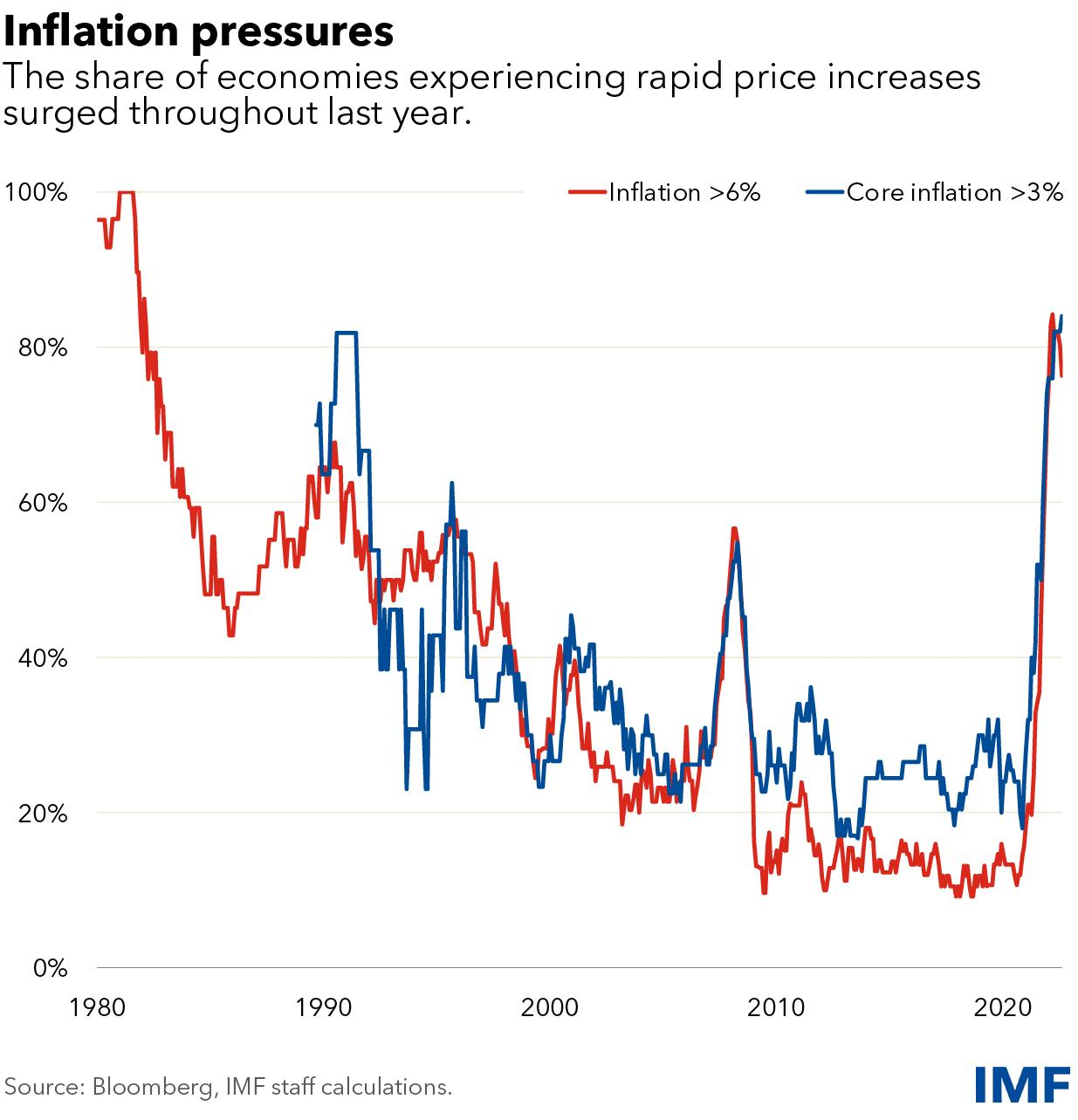
The current inflation dynamic differs from earlier cycles. Instead of broad-based demand-driven inflation, the pressure is now being driven by energy costs. Rising fuel prices are feeding into transport and production expenses, which in turn increase the cost of goods across the economy.
This “imported inflation” presents a difficult challenge. While domestic conditions may justify lower interest rates, external price shocks limit policymakers’ ability to act. As one analyst noted, central banks in emerging markets have “suspended anticipated rate reductions, citing imported inflation risks from the energy shock.”
For households, the impact is immediate. Higher fuel prices reduce disposable income and raise the cost of living, particularly as transport costs are passed on through retail prices.
Central Banks Under Pressure
The constraints facing central banks are not limited to inflation. Political dynamics are also shaping the interest rate debate, particularly in the United States.
The nomination of Kevin Warsh as a potential Federal Reserve chair highlights the tension between economic independence and political influence. Warsh is widely regarded as an “inflation hawk,” favoring tighter monetary policy to control price increases. However, he is also seen as aligned with calls for lower interest rates to stimulate growth.
At the same time, political figures have openly pushed for rate cuts, despite the institutional reality that governments do not directly set interest rates. The Federal Reserve’s independence remains central to maintaining economic stability, even as political pressure intensifies.
This intersection of economics and politics adds another layer of complexity to rate decisions, particularly in a volatile global environment.
The South African Case: A Fragile Balance
South Africa provides a clear example of how global developments are influencing local interest rate expectations. At the beginning of the year, analysts expected cumulative rate cuts of around 50 basis points. That outlook has now been reversed.
The energy shock has not only driven up inflation but also weakened growth projections. Global growth forecasts have been revised downward from 3.3% to 3.1%, while South Africa’s outlook dropped more sharply—from 1.4% to 1.0%.
The implications are significant:
- Interest rate cuts are unlikely in the near term
- Fuel price increases are expected to exceed R2.00 for petrol and R7.00 for diesel
- Rising costs are feeding into broader inflation across goods and services
These developments come at a particularly challenging time, as the country had begun to show signs of economic recovery. The interruption underscores how vulnerable emerging markets remain to external shocks.
A Supply Shock, Not a Collapse—But Still Painful
Despite the severity of the current situation, analysts emphasize that the global economy is not collapsing. Instead, the shock is viewed as a temporary disruption—albeit one with meaningful short-term consequences.
Growth remains positive, and underlying economic fundamentals have not deteriorated dramatically. However, the distinction offers limited relief to households facing immediate cost increases.
As one assessment noted, “the range of possible outcomes has widened considerably,” reflecting the heightened uncertainty now facing policymakers and investors.
The Broader Implications for Businesses and Consumers
The persistence of higher interest rates—or the delay in cutting them—has several implications:
For Consumers
- Borrowing costs remain elevated
- Mortgage and loan repayments stay high
- Rising fuel and food prices reduce purchasing power
For Businesses
- Higher financing costs limit expansion
- Increased input costs pressure profit margins
- Uncertainty complicates investment decisions
For Financial Markets
- Volatility increases as expectations shift
- Currency movements (such as the rand) influence inflation
- Investors reassess risk in emerging markets
These effects reinforce the interconnected nature of modern economies, where global shocks can rapidly transmit across borders.
What Comes Next: A More Cautious Outlook
Looking ahead, the path for interest rates will depend heavily on external developments—particularly energy markets and geopolitical stability. If oil prices remain elevated and supply tensions persist, inflation could stay higher for longer, delaying any easing cycle.
At the same time, central banks will need to balance competing priorities: supporting growth while maintaining price stability. This balancing act is becoming increasingly difficult as uncertainty rises.
In the United States, the outcome of leadership decisions at the Federal Reserve could also influence the direction of policy. While individuals such as Kevin Warsh may shape the debate, rate decisions ultimately require consensus among policymakers.
Conclusion: Interest Rates in a Volatile Era
The narrative around interest rates in 2026 has shifted from expectation to caution. What began as a year of anticipated relief has become a period defined by constraint and uncertainty.
Global shocks—particularly in energy markets—have reintroduced inflation risks, limiting central banks’ ability to cut rates. At the same time, political pressures and market volatility are complicating the policy landscape.
For households and businesses, the message is clear: the path to lower borrowing costs is no longer guaranteed. Instead, interest rates are likely to remain sensitive to global developments, requiring careful navigation in an increasingly unpredictable economic environment.


