


Gasoline: From Unwanted Byproduct to Global Economic Force
A Fuel That Quietly Shapes the World
Gasoline is so embedded in daily life that it often fades into the background—pumped into cars without much thought, priced per liter or gallon, and consumed in routine commutes. Yet behind this seemingly ordinary liquid lies a complex story of technological innovation, economic influence, and geopolitical tension.
In recent months, gasoline has returned to the center of global attention—not because of what it is, but because of what it does to economies. A sharp rise in fuel prices has not only strained household budgets but has also reshaped spending patterns, inflation trends, and even monetary policy decisions.
To understand gasoline today, it is necessary to examine both its historical transformation and its current role as a driver of economic activity and uncertainty.
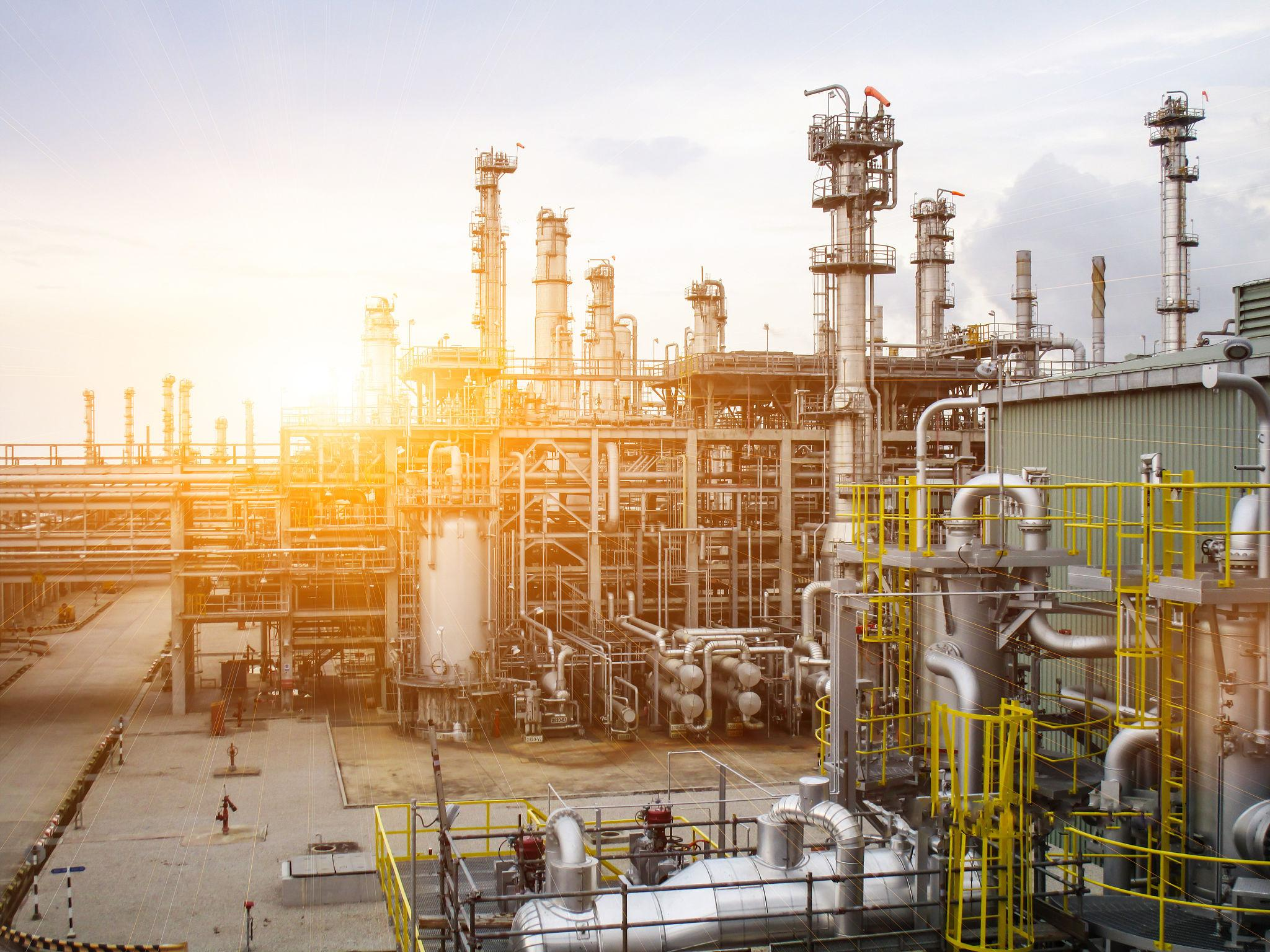
From Waste Product to Industrial Power
Gasoline was not always valuable. In the 19th century, it was largely discarded during the refining of crude oil. The primary product of interest at the time was kerosene, used for lighting homes before widespread electrification.
As one expert explained, gasoline “was not something that had much of a use for people until the internal combustion engine came along.”
This changed dramatically with the invention and adoption of gasoline-powered engines. Unlike steam engines, gasoline engines were compact, efficient, and practical for personal transportation. The turning point came in 1908 with the introduction of the Ford Model T, which made automobiles accessible to a broader population.
The consequences were profound:
- Gasoline demand surged as car ownership expanded
- Infrastructure such as roads and highways developed rapidly
- Entire industries—from logistics to tourism—emerged around mobility
What had once been an unwanted byproduct became the backbone of modern transportation and economic expansion.
The Modern Role of Gasoline in the Economy
Today, gasoline is more than just a fuel—it is a key economic indicator. Changes in gasoline prices ripple through nearly every sector, influencing consumer behavior, inflation, and business activity.
Recent data illustrates this impact clearly. In March 2026, retail sales in the United States rose sharply, largely due to higher gasoline prices. Total retail sales increased by 1.7%, marking the fastest monthly growth in over three years.
At first glance, this appears to signal strong consumer activity. However, the underlying dynamics are more complex.
Why Higher Gasoline Prices Boost Retail Sales
When gasoline prices rise, the total amount consumers spend at fuel stations increases—even if the volume of fuel purchased remains unchanged. This inflates retail sales figures.
In March:
- Gasoline station receipts surged by 15.5%, a record increase since tracking began in 1992
- This surge accounted for a significant portion of overall retail growth
This creates a paradox: rising fuel prices can make economic data appear stronger, even while consumers feel financially strained.
The Hidden Cost: Pressure on Households
While higher gasoline spending boosts retail metrics, it reduces disposable income available for other goods and services.
Economists often describe this effect as a “tax on consumption.” As fuel costs rise:
- Households cut back on discretionary spending
- Dining, entertainment, and non-essential purchases decline
- Savings may be used to maintain basic consumption levels
Estimates suggest that recent price spikes have increased annual gasoline costs for American households by approximately $857.
This shift in spending behavior signals underlying stress in consumer finances, even when headline data appears strong.
Geopolitics and the Price of Gasoline
Gasoline prices are closely tied to global oil markets, which are highly sensitive to geopolitical events. The recent conflict involving Iran illustrates this relationship.
Key developments include:
- Crude oil prices surged above $110 per barrel during peak tensions
- Gasoline prices increased by more than $1 per gallon on average
- Disruptions in critical supply routes, such as the Strait of Hormuz, intensified volatility
As conditions stabilized, oil prices began to decline, with benchmarks falling to around $90 per barrel. This has led analysts to predict a gradual decrease in gasoline prices, potentially dropping below $4 per gallon in the near term.
However, price adjustments are not immediate. There is typically a delay between falling crude prices and lower gasoline prices at the pump due to existing inventory costs.
Inflation, Interest Rates, and Gasoline
Gasoline plays a central role in inflation measurements. Because fuel is a fundamental input across industries—from transportation to manufacturing—its price directly affects the cost of goods and services.
In March 2026:
- The Consumer Price Index rose by 0.9%, with gasoline identified as the main driver
This has significant implications for monetary policy. Central banks, such as the Federal Reserve, monitor inflation closely when setting interest rates. Persistent fuel-driven inflation can delay rate cuts or even prompt tighter policy.
In this context, gasoline becomes more than a commodity—it becomes a lever influencing economic strategy at the highest level.
Behavioral Shifts: How Consumers Adapt
Rising gasoline prices often lead to behavioral changes:
- Reduced driving or shorter trips
- Increased interest in fuel-efficient or electric vehicles
- Greater reliance on public transportation
These adjustments can have long-term implications for industries, including automotive manufacturing and energy production.
At the same time, businesses adapt by optimizing logistics, adjusting pricing strategies, and exploring alternative energy sources.
A System Under Strain—and Transition
The modern gasoline ecosystem faces multiple pressures:
- Volatility in global oil markets
- Environmental concerns and emissions regulations
- Technological shifts toward electrification
Despite these challenges, gasoline remains dominant in global transportation. Infrastructure, vehicle fleets, and supply chains are still heavily dependent on it.
However, the transition toward cleaner energy is gradually reshaping the landscape. Electric vehicles, renewable energy investments, and policy incentives are beginning to reduce long-term reliance on gasoline.
The Road Ahead: Stability or Continued Volatility?
Looking forward, gasoline prices are likely to remain volatile due to several factors:
- Ongoing geopolitical tensions
- Supply chain disruptions
- Fluctuations in global demand
Even when prices decline, the recovery process can be slow. Analysts note that disruptions in oil production and infrastructure can take months—or even years—to fully normalize.
At the same time, structural changes in energy consumption may gradually reduce gasoline’s dominance. However, this transition will not be immediate.
Conclusion: More Than Just Fuel
Gasoline is not simply a product—it is a force that connects technology, economics, and geopolitics. From its origins as a discarded byproduct to its current role as a key driver of global markets, its evolution reflects broader shifts in society.
Today, gasoline continues to shape consumer behavior, influence inflation, and respond to global events. Its impact extends far beyond the gas station, touching nearly every aspect of modern life.
Understanding gasoline, therefore, is not just about energy—it is about understanding how the modern world moves, spends, and adapts.


