


The Modern Shopping Mall: How Retail Spaces Are Reinventing Community Life
Introduction: More Than Just a Place to Shop
The concept of a shopping mall has evolved far beyond its traditional role as a retail hub. Today, malls are dynamic environments that blend commerce, leisure, and community engagement. Across South Africa, new developments illustrate how these spaces are being reimagined to meet shifting consumer expectations, urban expansion, and technological change.
Recent projects—from coastal towns like Mossel Bay to urban centers near Johannesburg—offer a clear lens into how malls are transforming into integrated lifestyle destinations.
The Evolution of Shopping Malls in Growing Communities
Shopping malls have historically followed population growth, but the current wave of developments shows a more deliberate strategy: aligning retail infrastructure with urban migration patterns, housing expansion, and economic opportunity.
In Mossel Bay, a coastal town known for its mild climate and over 300 days of sunshine annually, retail investment is accelerating as the area shifts from a holiday destination to a primary residential hub. The town’s historical roots—dating back to 1488 when Bartolomeu Dias first landed—are now complemented by modern infrastructure and rising property demand.
Developers are responding accordingly. Ancora Property’s planned Mikeva Link mall reflects this shift, designed to serve a growing population while enhancing convenience and accessibility.
Case Study: Mikeva Link and the Rise of Coastal Retail
The Mikeva Link development highlights how malls are being tailored to specific local contexts.
- Location Advantage: Positioned along the R102 (Louis Fourie Road), a key corridor linking Mossel Bay’s town centre to expanding suburbs like Diaz Beach and Voorbaai
- Accessibility: Direct access via Mossel Street, with approximately 450,000 vehicles passing monthly
- Community Reach: Serving 21,879 households (73,816 people)
- Scale: A Gross Lettable Area of 13,000 square meters, including an additional 4,600 square meters of retail space
Ancora Property described the vision succinctly:
“Mikeva Link is more than just a shopping centre. It will be a vibrant community hub where convenience meets quality.”
The tenant mix reinforces this positioning. Confirmed retailers include Walmart, Shoprite, Shoprite Liquor Shop, Roots Butchery, and Power Fashion, alongside restaurants such as Hungry Lion, The Fish & Chips Co, and Pie Factory Shop.
The project also involves demolishing the fire-damaged Mikeva Hyper and integrating the space into a modern, consolidated retail environment—an example of redevelopment over expansion.
Urban Expansion: Fleurhof Mall and Township Connectivity
While coastal areas are growing, urban retail expansion is equally significant.
In Johannesburg, construction of the Fleurhof Mall is underway, with completion targeted for September 2026.
Key features include:
- Size: 25,800 square meters
- Developers: Abcon and the Masingita Group of Companies
- Anchor Tenants: Pick n Pay, Shoprite, and Edgars
- Strategic Positioning: Connecting Soweto with the Western suburbs via major transport routes
The development is closely tied to a broader affordable housing initiative, incorporating RDP housing, social housing, and private developments. This integration signals a shift in mall planning—from standalone retail complexes to embedded components of urban ecosystems.
The developers emphasize that the mall is designed to meet everyday needs, bringing “convenience, accessibility, and trusted brands closer to home.”
Shopping Malls as Community Hubs
A recurring theme across modern mall developments is their transformation into multi-functional community spaces.
This shift is visible in:
- Retail diversification: Grocery stores, fashion outlets, and essential services under one roof
- Food and leisure: Restaurants, fast-food outlets, and social gathering spaces
- Accessibility: Strategic placement along major transport routes
- Design philosophy: Integration with surrounding residential and commercial developments
In essence, malls are no longer destinations for occasional visits—they are becoming part of daily life infrastructure.
Technology Meets Retail: The “Phygital” Mall Experience
The role of shopping malls is also expanding into the digital domain.
Banks like GoTyme Bank are increasingly using malls as physical touchpoints within a broader digital strategy. Instead of relying solely on apps, the bank is establishing mall-based customer hubs to combine physical interaction with digital services.
CEO Cheslyn Jacobs explained the rationale:
“The customer hubs allow us to meet customers where they already are while connecting them to our mobile app for day-to-day banking.”
This hybrid or “phygital” model addresses a key challenge in digital banking—building trust and engagement—by leveraging the high foot traffic and familiarity of shopping malls.
The broader implication is clear: malls are becoming platforms for services beyond retail, including finance, technology, and customer engagement.
Economic and Social Impact
Shopping mall developments carry significant implications for local economies and communities:
1. Job Creation and Business Growth
Construction phases generate employment, while completed malls create long-term opportunities in retail, security, maintenance, and services.
2. Property Value Appreciation
Retail infrastructure often boosts surrounding property values, particularly in emerging residential areas like Mossel Bay and Fleurhof.
3. Improved Access to Goods and Services
Residents benefit from closer proximity to essential goods, reducing travel time and costs.
4. Social Interaction and Community Identity
Malls increasingly function as social anchors, providing spaces for interaction, dining, and leisure.
Design Trends Shaping the Future of Malls
Modern shopping malls are incorporating several key design principles:
- Sustainability: Integration of eco-friendly materials and energy-efficient systems
- Mixed-use environments: Combining retail, residential, and recreational spaces
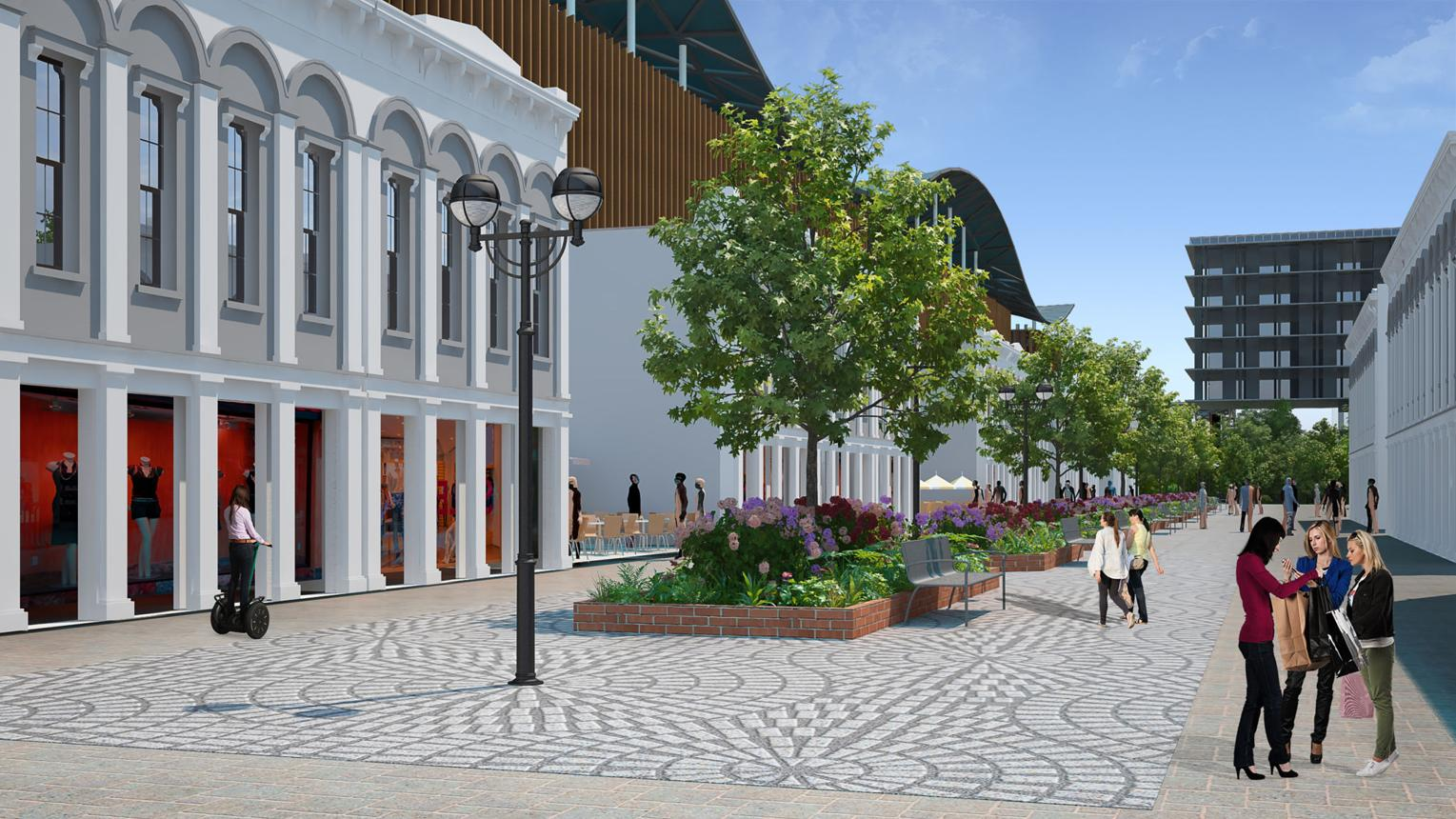
- Walkability and accessibility: Easy entry and exit points, pedestrian-friendly layouts
- Architectural integration: Designs that blend with the local environment
Fleurhof Mall, for instance, is designed to “blend seamlessly with the local environment” while incorporating modern architecture.
Future Outlook: Where Shopping Malls Are Headed
Looking ahead, several trends are likely to define the next phase of shopping mall development:
Hybrid Retail Ecosystems
Malls will increasingly integrate physical retail with digital services, from banking to e-commerce logistics.
Community-Centric Planning
Developments will align closely with housing projects and urban planning strategies.
Experience-Driven Spaces
Retail alone will not be sufficient—malls will focus on experiences, entertainment, and lifestyle offerings.
Strategic Location Selection
High-traffic corridors and growing residential zones will remain key drivers of investment decisions.
Conclusion: The Reinvention of the Shopping Mall
The modern shopping mall is undergoing a structural transformation. What was once a simple retail destination is now a multi-dimensional space—part marketplace, part social hub, part service center.
Projects like Mikeva Link in Mossel Bay and Fleurhof Mall near Johannesburg illustrate how developers are adapting to demographic shifts, technological change, and evolving consumer behavior.
As these developments continue, shopping malls will play an increasingly central role—not just in commerce, but in shaping how communities live, interact, and grow.


