

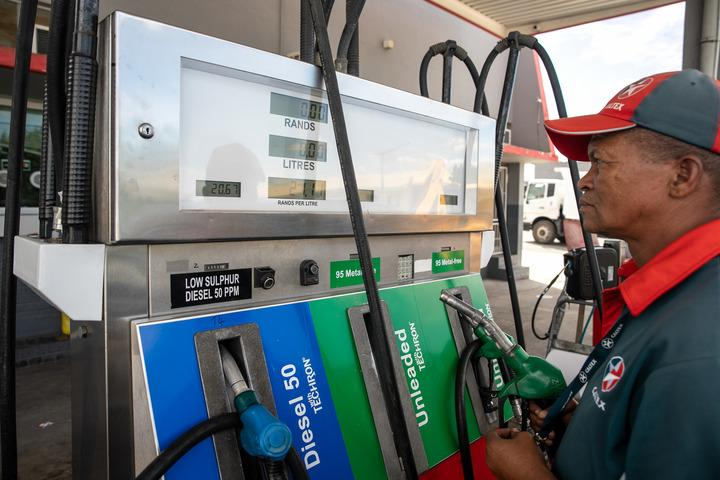
South Africa Petrol Price Forecast for May 2026: Rising Diesel Costs and Petrol Pressure
A Volatile Global Backdrop Shapes Local Fuel Costs
South Africa’s fuel price outlook for May 2026 is being shaped by a combination of global geopolitical tensions, fluctuating oil markets, and domestic fiscal decisions. The situation escalated after disruption in the Strait of Hormuz—a critical shipping route responsible for roughly a fifth of global oil and gas trade—triggered uncertainty across international energy markets.
The blockade, enforced by the United States Armed Forces following the collapse of negotiations with Iran, has led to increased naval activity and disrupted shipping flows. Some oil vessels have reportedly altered routes or turned back, while others continue under constrained conditions. This has introduced volatility into oil supply chains, pushing costs upward and complicating price stability.
Oil markets reacted sharply, with Brent crude briefly exceeding $100 per barrel before stabilizing amid speculation of diplomatic resolution. Even partial disruptions have driven up shipping and insurance costs, amplifying price pressure globally—and by extension, in fuel-importing economies such as South Africa.
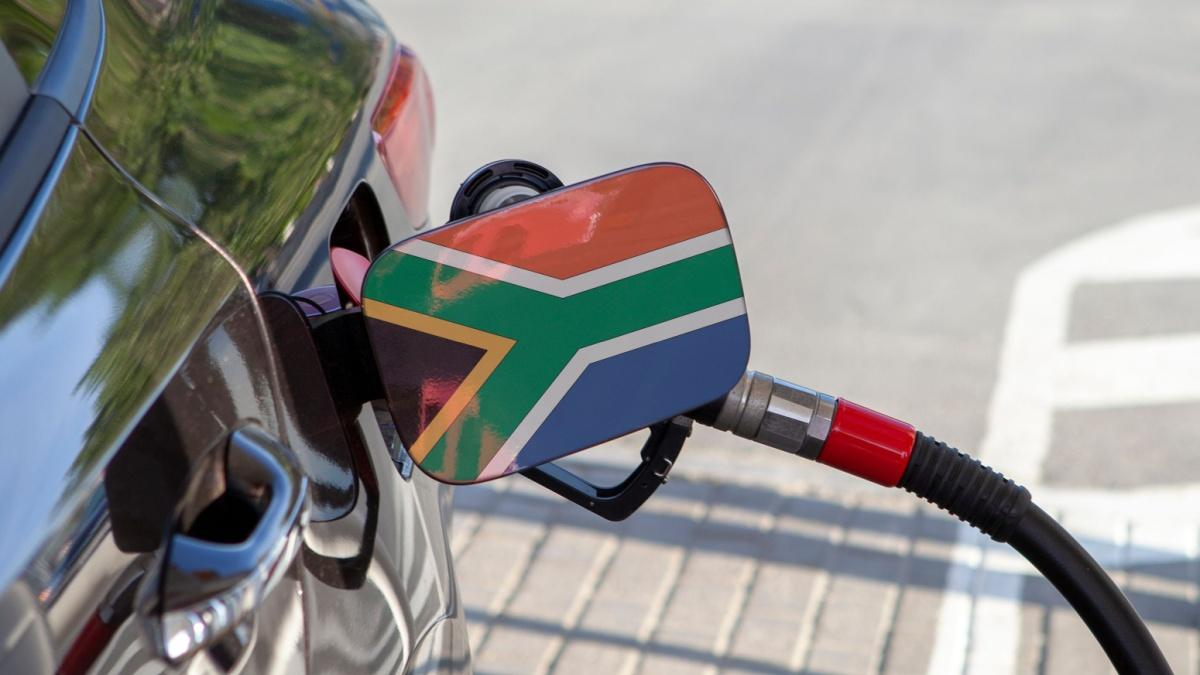
Mid-Month Forecast Signals Significant Fuel Price Increases
Early projections for May indicate that South African motorists are likely to face another month of elevated fuel prices, particularly for diesel users.
According to current data:
- Petrol 93 is expected to rise by approximately 243 cents per litre (R2.43)
- Petrol 95 may increase by around 280 cents per litre (R2.80)
- Diesel (0.05%) could surge by 851 cents per litre (R8.51)
- Diesel (0.005%) may climb by 853 cents per litre (R8.53)
These figures reflect a slightly improved outlook compared to earlier projections, which suggested even steeper increases. However, diesel continues to bear the brunt of price pressures, largely due to global demand dynamics and refining constraints.
Diesel Prices Approach Critical Levels
Separate forecasts indicate that diesel prices could approach R40 per litre if current trends persist. This would represent a sharp jump from the current average of around R28 per litre, which had been temporarily softened by a R3 government levy reduction introduced in April.
Data suggests diesel prices could rise by as much as R9.60 per litre, pushing costs to approximately R38 per litre. At the same time, petrol prices are edging close to historic highs. With an under-recovery of R3.19 per litre factored in, 95 unleaded petrol in Gauteng could reach around R26.55 per litre—just below the record of R26.74 recorded in July 2022.
Government Intervention: Relief vs Fiscal Pressure
The South African government, through the National Treasury, is currently weighing whether to extend the existing fuel levy relief into May or June. This measure—worth roughly R3 per litre—was introduced as a temporary buffer against global oil shocks.
There is some fiscal room to extend the relief, particularly if oil prices remain elevated near or above $100 per barrel. However, policymakers are approaching the decision cautiously.
Key considerations include:
- Extending relief would reduce government revenue from fuel levies
- It would increase pressure on already constrained public finances
- Repeated extensions risk creating long-term dependency on state support
Officials are expected to delay any formal announcement until late April, allowing more clarity on global oil price trends.
If the relief is not extended, projections suggest:
- Petrol prices could exceed R30 per litre
- Diesel could approach R40 per litre
Why Fuel Prices Are Moving: Key Drivers Explained
South Africa’s fuel pricing mechanism is influenced by two primary external factors:
1. Global Oil Prices
The cost of crude oil remains the most significant driver. Recent geopolitical tensions have pushed prices higher, although slight easing has been observed due to potential diplomatic developments.
2. Rand–US Dollar Exchange Rate
Fuel is imported and priced in US dollars. A weaker rand increases the cost of fuel domestically, even if global oil prices stabilize.
The Central Energy Fund (CEF), working alongside the Department of Mineral Resources and Energy (DMRE), continuously tracks these variables to determine monthly price adjustments.
Timeline: When Will New Prices Take Effect?
Fuel prices in South Africa are typically adjusted on the first Wednesday of each month. For May 2026:
- Adjustment date: 6 May 2026
- Official announcement: Expected a few days prior
This schedule allows motorists and businesses a short window to prepare for incoming price changes.
Broader Economic Impact
Rising fuel prices have far-reaching implications beyond the pump. Diesel, in particular, plays a critical role in:
- Freight and logistics
- Agriculture and food production
- Mining and heavy industry
Higher diesel costs translate directly into increased transportation and production expenses, which are often passed on to consumers in the form of higher prices for goods and services.
For households, sustained fuel increases reduce disposable income and add pressure to already tight budgets.
Outlook: What to Watch in the Coming Weeks
The fuel price trajectory for May remains sensitive to several evolving factors:
- Developments in Middle East geopolitics
- Oil price movements around the $100 per barrel threshold
- Government decisions on fuel levy relief
- Currency fluctuations affecting import costs
While recent data shows a slight easing compared to earlier projections, the overall outlook remains firmly tilted toward higher fuel costs.
Conclusion
South Africa’s petrol price forecast for May 2026 points to another challenging period for motorists and businesses. Diesel is expected to see the steepest increases, potentially nearing critical price thresholds, while petrol edges closer to record highs.
The government’s decision on whether to extend fuel levy relief will be a decisive factor in determining the final price adjustments. In the absence of intervention, consumers should prepare for a significant rise in fuel costs at the start of May.


