Introduction: A Volatile Start to May Fuel Price Expectations
The latest may fuel price prediction diesel fuel fuel price south africa outlook is being shaped by forces far beyond the country’s borders. Global geopolitical tensions, disrupted oil shipping routes, and fluctuating currency dynamics are converging to create one of the most uncertain pricing environments in recent months.
At the center of this instability lies the Strait of Hormuz—one of the world’s most critical oil transit chokepoints—where escalating tensions have already begun to ripple through global energy markets. For South Africa, a net importer of fuel, these developments are not abstract; they translate directly into higher costs at the pump.
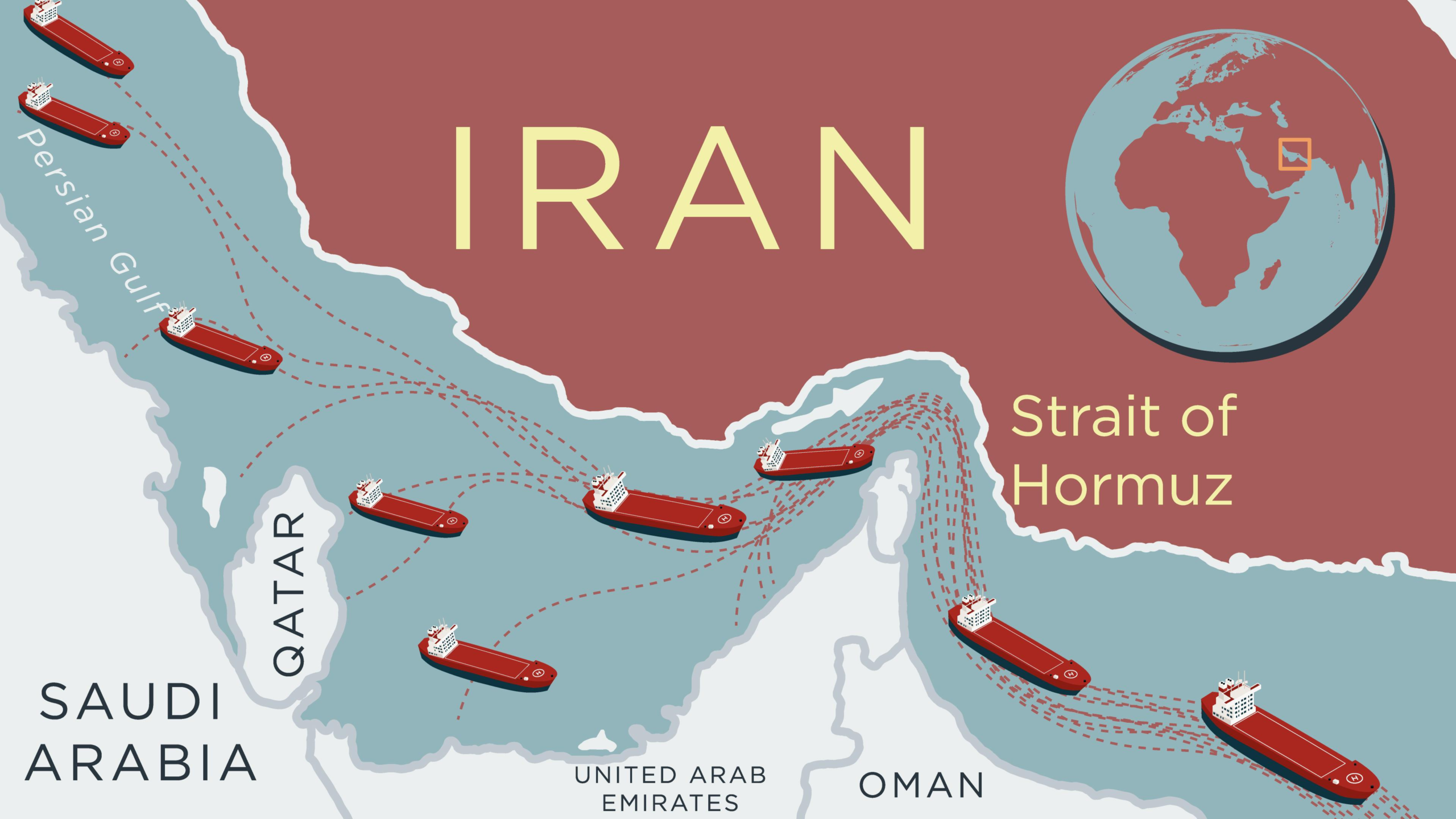
Global Shockwaves: Strait of Hormuz Disruption
The disruption in the Strait of Hormuz has become the defining catalyst behind the current fuel price trajectory. The blockade enforced by the United States Armed Forces has injected significant uncertainty into global oil supply chains.
This narrow corridor is responsible for roughly a fifth of global oil and gas trade. Any instability here carries immediate consequences:
- Increased naval activity has disrupted normal shipping patterns
- Some oil tankers have diverted or turned back
- Others continue under selective enforcement measures
The collapse of diplomatic talks between the United States and Iran in Islamabad has intensified concerns, with Iran condemning the blockade and warning of potential retaliation.
Even without a complete shutdown, the disruption is already altering logistics. Shipping companies are now considering rerouting vessels around the Cape of Good Hope—a move that significantly increases both delivery time and operational costs.
Oil Markets React: Price Spikes and Volatility
Oil markets responded quickly to the uncertainty. Brent crude briefly surged above $100 per barrel before settling into volatile trading conditions.
At the time of reporting:
- Brent crude oil price: $94.73 per barrel
- Markets remain highly sensitive to geopolitical developments
Analysts point out that the situation is not just about supply disruption—it’s about risk perception. Even partial instability can trigger speculative trading, driving prices upward.
Additional pressures include:
- Rising tanker rates
- Increased insurance premiums for vessels
- Limited spare production capacity from OPEC+
These factors collectively tighten supply expectations and elevate global fuel costs.
Why South Africa Is Highly Exposed
South Africa’s fuel pricing model makes it particularly vulnerable to global shocks. Two primary variables determine local fuel prices:
1. International Oil Prices
Driven largely by Brent crude fluctuations, which are currently unstable due to geopolitical tensions.
2. Rand/Dollar Exchange Rate
Fuel imports are priced in US dollars, making the exchange rate critical.
- Current exchange rate: R16.39/$
A weaker rand amplifies the cost of imported fuel, even if global oil prices stabilize.
May 2026 Fuel Price Forecast: Significant Increases Expected
Early projections indicate notable increases across all fuel categories. Based on current data from the Central Energy Fund (CEF), the expected adjustments are:
| Fuel Type |
Expected Change |
| Petrol 93 |
+202 cents |
| Petrol 95 |
+236 cents |
| Diesel 0.05% |
+707 cents |
| Diesel 0.005% |
+709 cents |
| Illuminating Paraffin |
+581 cents |
Diesel Prices Take the Biggest Hit
The most striking element in this forecast is the sharp rise in diesel prices—over 700 cents per litre. This is particularly significant because diesel underpins:
- Freight and logistics
- Agriculture and food production
- Industrial operations
A surge of this magnitude has cascading effects across the economy.
Current Price Context: April 2026 Baseline
To understand the scale of the increase, consider the April 2026 prices:
Inland Prices
- Petrol 93: R23.25
- Petrol 95: R23.36
- Diesel 0.05%: R25.90
- Diesel 0.005%: R26.11
Coastal Prices
- Petrol 93: R22.46
- Petrol 95: R22.53
- Diesel 0.05%: R25.07
- Diesel 0.005%: R25.35
With the projected increases, diesel prices could move well above R30 per litre in some regions if trends persist.
Economic Impact: Beyond the Fuel Pump
Fuel price increases rarely remain isolated. They feed directly into broader economic indicators:
1. Transport Costs
Higher diesel prices raise logistics expenses, which are passed on to consumers.
2. Food Prices
Agricultural production and distribution rely heavily on fuel, pushing food inflation upward.
3. Inflation Pressure
Rising fuel costs contribute to overall inflation, affecting interest rates and consumer spending.
Economists warn that continued instability—even without a full shutdown of the Strait of Hormuz—could accelerate these pressures.
Geopolitical Uncertainty and Future Outlook
The trajectory of fuel prices now hinges on geopolitical developments:
- Potential reopening of diplomatic negotiations
- Stability of the fragile ceasefire linked to the Iran conflict
- Ongoing enforcement measures in key shipping routes
Statements from global leaders suggest divergent expectations. While some anticipate relief once conflicts ease, others caution that price normalization may take longer due to structural market constraints.
The reality is that markets are reacting not just to current events, but to the uncertainty surrounding them.
When Will New Prices Take Effect?
The final confirmed fuel price adjustments for South Africa will be announced later in the month, with implementation scheduled for:
Midnight on Tuesday, 5 May 2026
However, given the volatility in both oil prices and the exchange rate, these projections remain subject to change.
Conclusion: A Critical Month for Fuel Pricing
The may fuel price prediction diesel fuel fuel price south africa outlook reflects a complex intersection of geopolitics, global trade dynamics, and local economic conditions. What stands out is the scale of the expected diesel price increase and its potential ripple effects across the economy.
While there is still room for diplomatic intervention to stabilize markets, the current trajectory points toward higher fuel costs in May. For consumers and businesses alike, this underscores the importance of preparing for increased operational expenses in the near term.


