Elden Ring Movie Cast Revealed: A High-Stakes Fantasy Adaptation Takes Shape
A cinematic gamble begins
The long-anticipated live-action adaptation of Elden Ring has shifted from speculation to tangible production. With casting now confirmed and filming underway, the project—helmed by Alex Garland—is being positioned as one of the most ambitious video game adaptations ever attempted.
- A cinematic gamble begins
- The cast: A deliberate blend of range and reputation
- From video game phenomenon to cinematic ambition
- Production scale: A24’s biggest bet
- Alex Garland’s creative direction
- Why this cast matters beyond headlines
- The unresolved challenge: adapting the unadaptable
- A long road to 2028
- Conclusion: A defining moment for game-to-film adaptations
At the center of attention is a carefully assembled ensemble featuring Kit Connor, Cailee Spaeny, Ben Whishaw, and Nick Offerman. Their involvement signals a deliberate balance between emerging talent and established performers—an approach that reflects the film’s broader strategy: appeal to both dedicated fans and mainstream audiences.
The adaptation, backed by A24 and Bandai Namco Entertainment, is scheduled for a global IMAX release on March 3, 2028, with production beginning in Spring 2026.

The cast: A deliberate blend of range and reputation
The confirmed cast list is notably compact but strategically curated. Alongside Connor, Spaeny, Whishaw, and Offerman, the ensemble includes:
- Tom Burke
- Havana Rose Liu
- Sonoya Mizuno
- Jonathan Pryce
- Ruby Cruz
- John Hodgkinson
- Jefferson Hall
- Emma Laird
- Peter Serafinowicz
Despite the depth of talent, one key detail remains undisclosed: character assignments. This absence is not accidental. Given the game’s abstract storytelling and creature-heavy world, it is widely expected that several performers will contribute through voice work or motion capture rather than traditional on-screen roles.


Connor is widely regarded as the anchor of the film, a casting decision that reflects both his rising profile and his prior collaboration with Garland.
From video game phenomenon to cinematic ambition
The original Elden Ring—developed by FromSoftware under the direction of Hidetaka Miyazaki and shaped by the mythology of George R. R. Martin—is not a conventional narrative property.
Released in 2022, the game:
- Sold over 30 million copies worldwide
- Earned more than 400 Game of the Year nominations and awards
- Built its identity around environmental storytelling rather than linear plot


This creates a structural challenge. Unlike traditional adaptations, the film cannot rely on a predefined storyline. Garland must construct a cohesive narrative from fragmented lore—a process that demands both interpretive creativity and restraint.
Production scale: A24’s biggest bet
The adaptation is not a modest experiment. It is being described as the most ambitious project in A24’s history, with a budget reportedly exceeding $100 million and approximately 100 days of principal photography planned.
Filming has begun in the United Kingdom, with locations including Scotland. The choice to shoot for IMAX is particularly significant. It indicates that the production is being engineered for spectacle—large-scale environments, expansive battle sequences, and immersive visual storytelling.
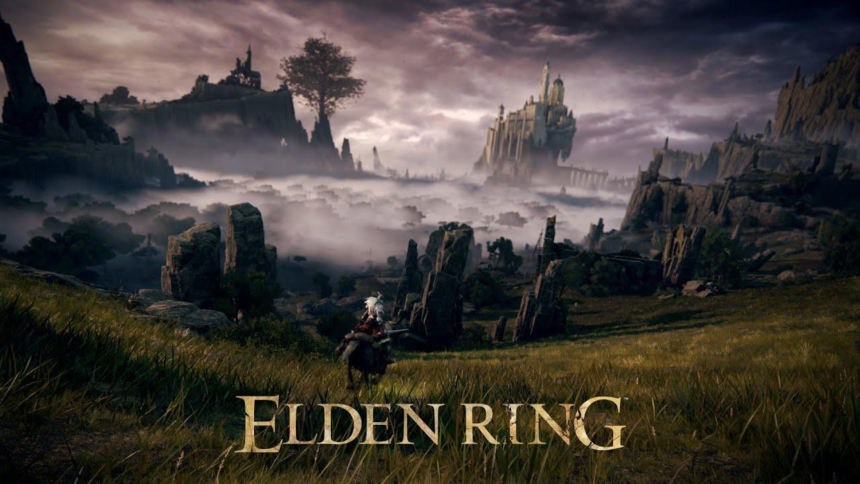
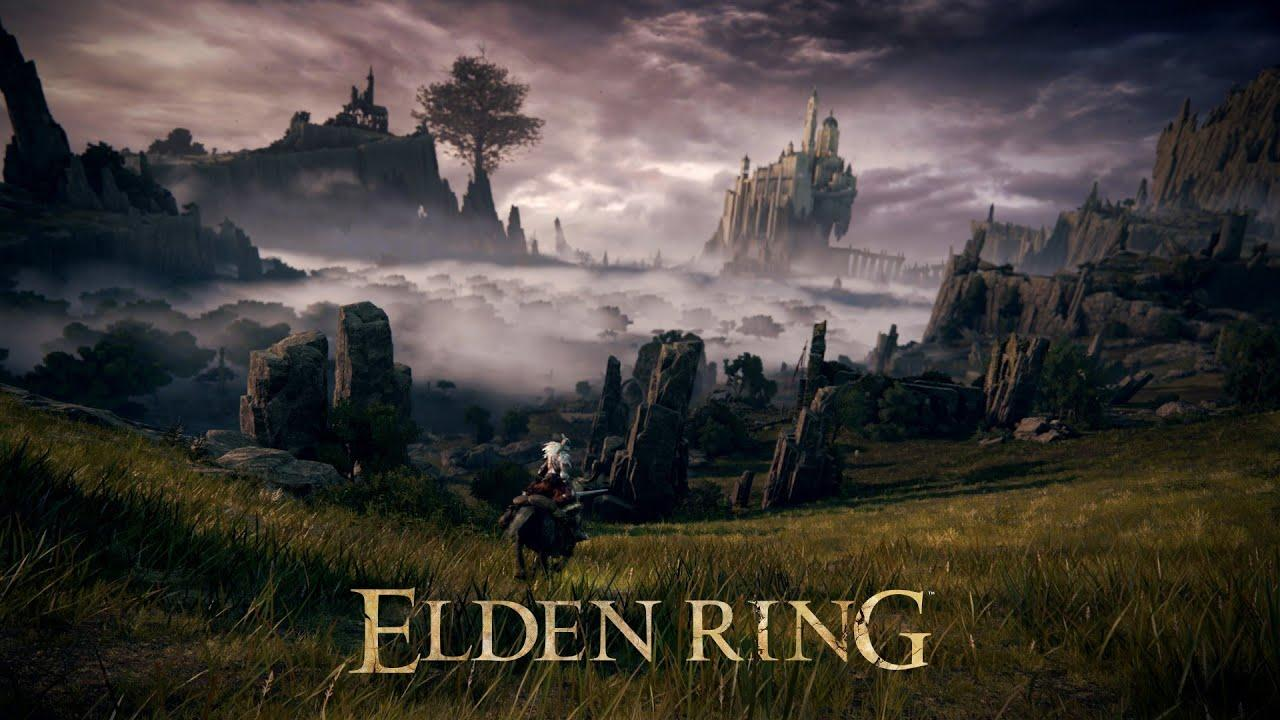
This decision aligns with the nature of the source material. The “Lands Between,” the game’s setting, is defined by vast landscapes, towering structures, and surreal encounters. Translating that scale to cinema requires more than visual effects; it demands a theatrical experience.
Alex Garland’s creative direction
Garland’s involvement is central to the project’s identity. Known for films such as Ex Machina, Annihilation, and Civil War, he has built a reputation for combining intellectual themes with strong visual language.
His connection to Elden Ring is not superficial. He actively pursued the project, presenting a detailed concept—including a full script and visual references—before securing approval.
This level of preparation suggests that the adaptation will prioritize tone and atmosphere over conventional blockbuster formulas. The casting choices reinforce that expectation. Actors like Whishaw and Pryce are associated with nuanced performances rather than spectacle-driven roles, indicating a character-focused interpretation of the material.
Why this cast matters beyond headlines
Casting in a project of this scale serves multiple functions:
- Audience expansion – Recognizable names attract viewers unfamiliar with the game
- Credibility – Experienced actors signal a serious artistic intent
- Continuity – Garland’s recurring collaborators suggest a controlled creative environment
The inclusion of actors linked to Garland’s previous films—such as Mizuno and Spaeny—points to an established working dynamic, which can be critical in a production of this complexity.
At the same time, performers like Offerman introduce broader appeal. His presence bridges genres, bringing familiarity to audiences outside the fantasy niche.
The unresolved challenge: adapting the unadaptable
The core difficulty remains unresolved: how to translate a game defined by ambiguity into a structured cinematic narrative.
The original Elden Ring does not rely on traditional storytelling devices. Instead, it invites players to interpret its world through exploration and discovery. A film, by contrast, requires clarity, pacing, and character arcs.
This tension is where the project’s success or failure will ultimately be determined.
A long road to 2028
With a release date set for March 3, 2028, the timeline is extensive. Production has only just begun, and the lack of revealed character details suggests that much of the film’s identity is still under wraps.
What is clear is the scale of the commitment:
- A globally recognized intellectual property
- A high-profile director with a distinct vision
- A carefully curated ensemble cast
- A premium IMAX release strategy
Together, these elements position the film not just as an adaptation, but as a defining test for the future of video game cinema.
Conclusion: A defining moment for game-to-film adaptations
The Elden Ring movie represents more than another entry in the growing list of video game adaptations. It is a calculated attempt to elevate the genre into prestige cinema.
With Kit Connor, Cailee Spaeny, Ben Whishaw, and Nick Offerman leading a diverse ensemble under Alex Garland’s direction, the project carries both creative ambition and commercial pressure.
The outcome remains uncertain. But one conclusion is already evident: this is not a routine adaptation. It is a high-risk, high-reward production that could redefine expectations for the genre—or reinforce the challenges that have long defined it.