

Kyle Tucker and the Early-Season Reality Check: A Star Searching for Rhythm
A Defining Moment in April
For a player of Kyle Tucker’s caliber, expectations arrive early—and loudly. When the Los Angeles Dodgers secured his services on a four-year, $240 million deal, the assumption was straightforward: consistent production, elite at-bats, and game-changing moments.
Through the first few weeks of the 2026 season, the narrative has been more complicated.
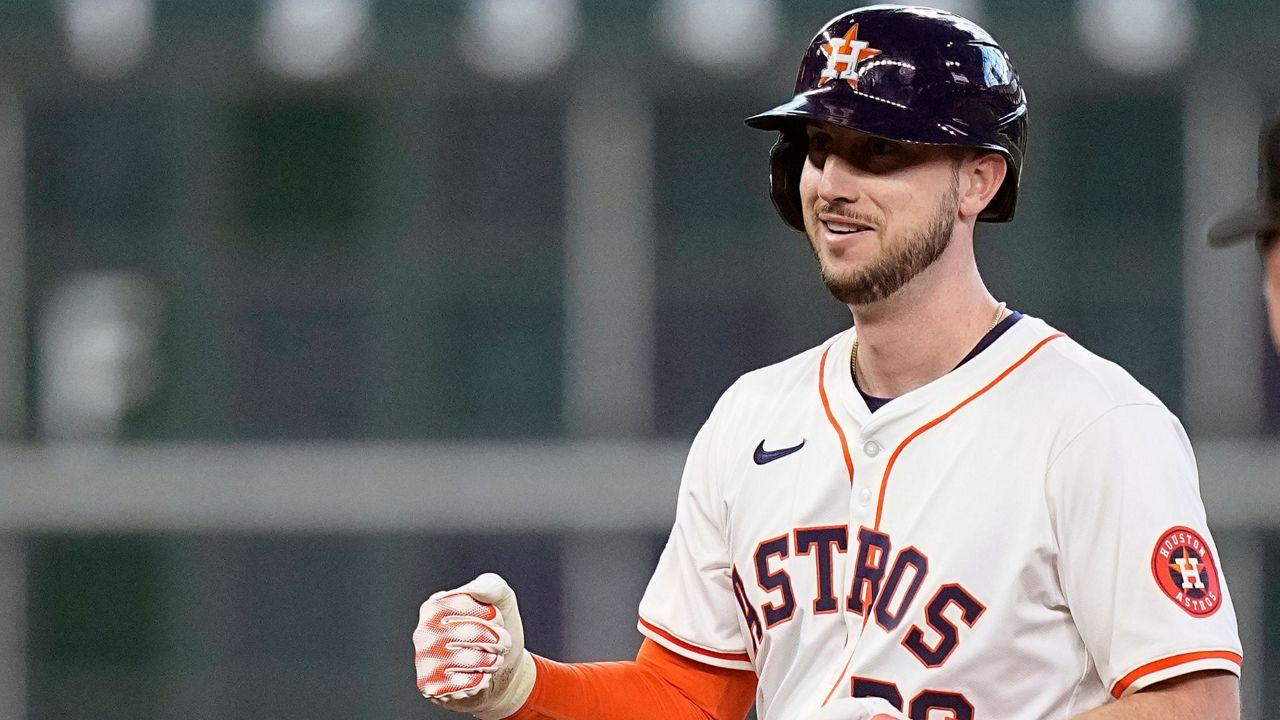
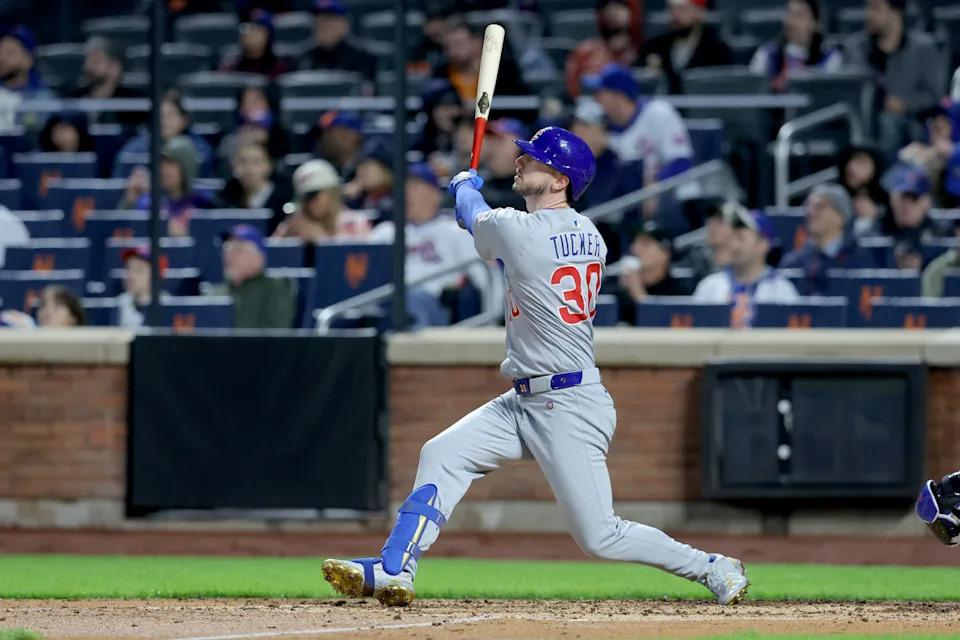
Yet, on a tight April night against the New York Mets, Tucker delivered something that doesn’t show up cleanly in analytics dashboards: timing. In the bottom of the eighth inning, with tension building and opportunity narrowing, he produced a go-ahead RBI single that ultimately secured a 2–1 victory.
“It was nice,” Tucker said after the game. “I haven’t had as many hits or barrels as I would have liked… but to come up with a huge hit right there to get the run in and win the game, so I’ll take it.”
That understated reaction reflects a player fully aware of both his struggles and his role.
The Numbers Tell One Story—But Not the Whole One
Statistically, Tucker’s start to 2026 has been modest by his standards.
Across roughly 17–18 games, he is hitting around:
- .239–.242 batting average
- .350–.360 on-base percentage
- .306–.343 slugging percentage
- 1–2 home runs, 10–11 RBI
He has also drawn 12 walks, placing him among the Dodgers’ leaders behind Shohei Ohtani.
On the surface, the profile is unusual:
- Strong plate discipline
- High on-base rate
- Limited power output
The most concerning shift is the drop in slugging percentage and a noticeable increase in strikeouts—up by approximately 8% compared to his previous season.
In simple terms, Tucker is getting on base—but not doing the kind of damage expected from a middle-of-the-order bat.
Mechanics, Approach, and the Chase Problem
Inside the Dodgers’ clubhouse, the conversation has focused less on outcomes and more on process.
Manager Dave Roberts pointed to a specific issue:
“He’s getting out of his zone… he’s chasing a lot more down below.”
That observation aligns with Tucker’s own self-assessment. Rather than expressing frustration, he has identified the problem with technical precision:
- Swing path inconsistencies
- Too many balls topped or fouled off
- Occasional over-aggression in unfavorable counts
“I feel like I should drive more up the middle or gap to gap,” Tucker explained.
His solution is equally measured:
- Narrow the hitting zone
- Be selective with pitch locations
- Anticipate earlier in counts
- Focus on solid contact (“barrel up the ball a little bit more”)
This is not a player searching blindly. It’s a player making incremental adjustments—typical of experienced hitters navigating early-season variance.
The Quiet Value of Discipline
Despite the lack of power, Tucker’s offensive profile is far from unproductive.
His walk rate remains elite, and his ability to reach base consistently has helped sustain the Dodgers’ lineup depth. Even without frequent extra-base hits, he has:
- Maintained offensive pressure
- Extended innings
- Created scoring opportunities
This is critical in a lineup featuring high-impact bats like Ohtani, where base runners often translate into runs.
In analytical terms, Tucker’s on-base stability is offsetting his slugging decline, preventing a complete offensive drop-off.
The Hit That Mattered Most
The defining moment against the Mets wasn’t a towering home run. It was something far less glamorous—a soft flare into left field.
That detail matters.
“It was a little late on it… but I’ll take them. It’s a hit.”
For hitters working through timing issues, these kinds of results often signal progress:
- Staying through the ball
- Making contact in pressure situations
- Avoiding overcorrection
The result: a single run, a narrow lead, and ultimately, a win.
It also marked Tucker’s first true “signature moment” as a Dodger—an early checkpoint in what is expected to be a long-term tenure.
Context Matters: It’s Still April
Tucker himself has repeatedly emphasized a broader timeline:
“We’ve still got five and a half months… plenty of time to figure it out.”
That perspective is grounded in baseball reality. Early-season performance often fluctuates due to:
- Timing inconsistencies after spring training
- Adjustments to new teams or environments
- Opponent scouting adaptations
In Tucker’s case, the transition into a high-profile Dodgers system—combined with the weight of a $240 million contract—adds another layer of scrutiny.
Supporting Cast and Game Context
The Dodgers’ win over the Mets wasn’t solely about Tucker.
The game featured:
- Strong pitching performances on both sides
- A controlled outing by the Dodgers’ staff
- Late-game execution under pressure
Tucker acknowledged that balance:
“They’ve been awesome all year long… it’s been a lot of fun to watch.”
This matters strategically. The Dodgers are not relying on Tucker to carry the offense alone. Instead, they are integrating him into a system where contributions—timely or otherwise—compound.
Signals of a Turnaround
While the power numbers remain subdued, there are indicators that improvement is already underway:
- Hits in 7 of his last 10 games
- A recent solo home run reinforcing swing timing
- Continued ability to draw walks and control at-bats
These are early signs of stabilization rather than decline.
If Tucker successfully reduces his chase rate and improves contact quality, the expected progression is clear:
On-base consistency + improved barrel rate = power resurgence
What Comes Next
The immediate focus is refinement, not reinvention.
For Tucker, the path forward involves:
- Reestablishing strike-zone discipline
- Increasing hard-contact frequency
- Translating plate appearances into extra-base production
For the Dodgers, the equation is simpler: patience.
They did not invest in a short-term burst. They invested in sustained performance over multiple seasons.
Conclusion: A Star in Transition, Not Decline
Kyle Tucker’s start to the 2026 season is best understood as a recalibration phase rather than a warning sign.
The numbers suggest caution.
The underlying metrics suggest stability.
The situational hitting suggests readiness.
And moments like the game-winning hit against the Mets indicate something more important:
he is already contributing when it matters most.
If the mechanical adjustments align with his discipline at the plate, the trajectory is likely to shift quickly—from quiet production to dominant impact.


