

Alex Manninger: A Career of Quiet Excellence Ends in Tragedy
A Sudden Loss That Shook European Football
The football world was left stunned by the sudden death of Alex Manninger, a respected former goalkeeper whose career spanned some of Europe’s most competitive leagues. At just 48 years old, Manninger tragically lost his life in a road accident in Austria, marking an abrupt and deeply felt end to a life defined by professionalism, resilience, and understated achievement.
His passing was confirmed by his former club Red Bull Salzburg, which issued a statement that read:
“We mourn our former goalkeeper Alexander Manninger, who tragically lost his life in a traffic accident. Our thoughts are with his family and friends. Rest in peace, Alexander.”
The incident occurred on Thursday morning near Salzburg, where Manninger’s vehicle collided with a train at an unguarded level crossing. Emergency services responded quickly, but despite efforts to save him, he died at the scene. Approximately 25 passengers and the train driver were unharmed, and investigations into the cause of the accident are ongoing.
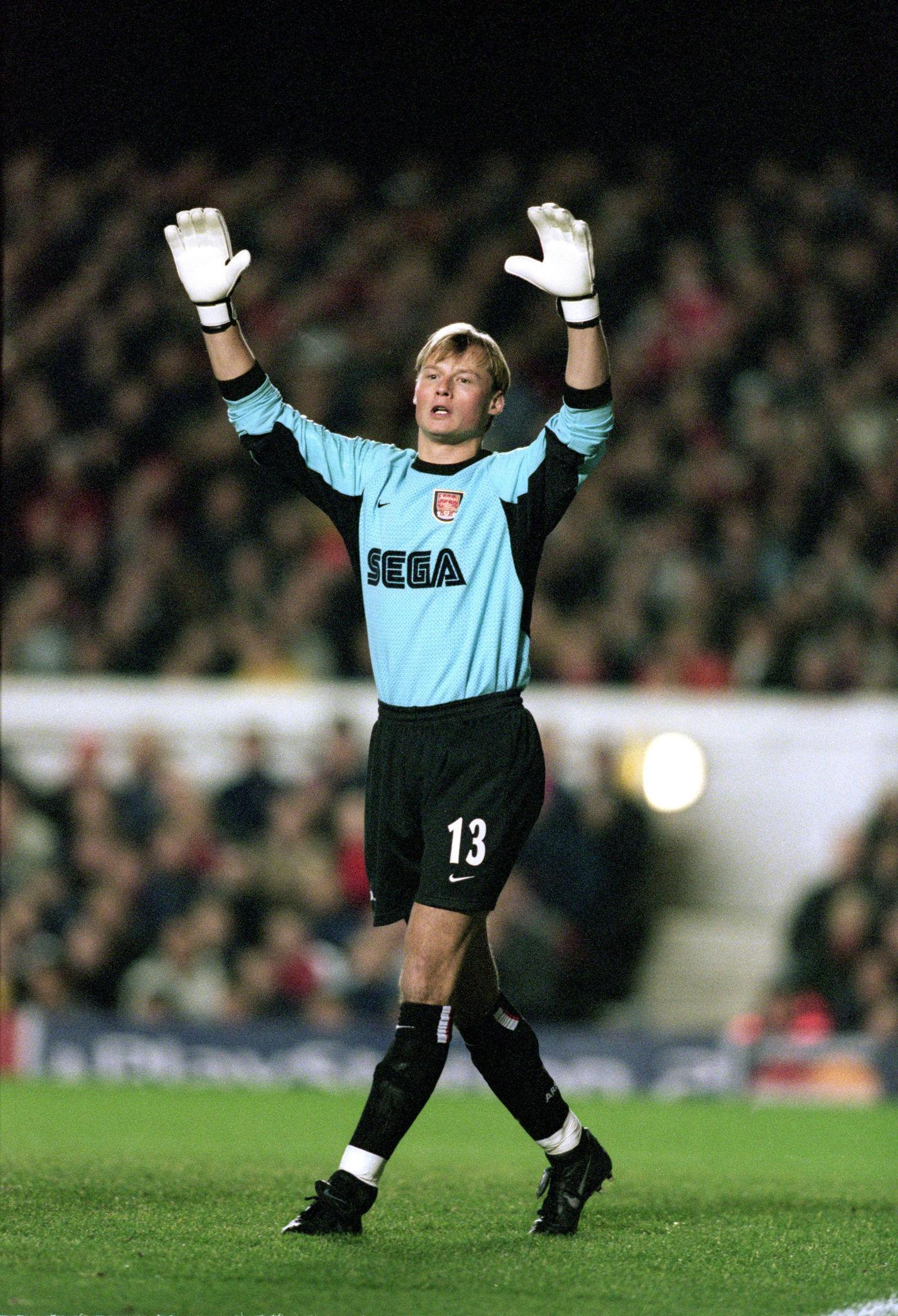
From Austria to the Premier League: A Trailblazing Move
Manninger’s football journey began in his native Austria, where he developed through the ranks before making a pivotal move in June 1997. At just 20 years old, he joined Arsenal FC in a £500,000 transfer from Grazer AK, becoming the first Austrian to sign for the North London club.
Under the guidance of Arsène Wenger, Manninger quickly adapted to the demands of English football. Despite facing stiff competition from established goalkeepers like David Seaman and Richard Wright, he carved out a meaningful role in the squad.
During his time at Arsenal, he made 64 appearances and was part of the historic 1997/98 season, when the club secured both the Premier League title and the FA Cup.
His early experiences at Arsenal left a lasting impression. Reflecting on his arrival, Manninger once said:
“It still excites me just thinking about it. I was 20 years old, I was a kid.”
A European Journey Across Elite Clubs
Manninger’s career is best understood as a journey through Europe’s top leagues, where he became a reliable presence for multiple clubs.
After leaving Arsenal in search of more consistent playing time, he moved across several teams, particularly in Italy’s Serie A. His stints included clubs such as:
- Juventus FC
- AC Siena
- Torino FC
- Bologna FC
In Italy, Manninger accumulated 137 appearances in the top division and served as a dependable backup to elite goalkeepers like Gianluigi Buffon at Juventus, even featuring in the UEFA Champions League.
He later moved to Germany with FC Augsburg before returning briefly to England with Liverpool FC.
Although he did not make a competitive appearance for Liverpool, his presence in the squad during the 2016–2017 season was valued for experience and leadership. He described his farewell to football at Anfield as an “amazing feeling,” emphasizing the emotional significance of ending his career in front of fans.
International Duty and National Recognition
On the international stage, Manninger represented Austria 33 times, earning respect for his composure and reliability. He was part of the national squad during UEFA Euro 2008, serving as a key backup option.
His contributions did not go unnoticed. The Austrian Football Association described him as an “outstanding” servant to the game. Sporting director Peter Schöttel highlighted his influence:
“Alexander Manninger was an outstanding ambassador of Austrian football on and off the pitch. His professionalism, his calmness and his reliability have made him an important part of his teams.”
This characterization captures the essence of Manninger’s career—never flamboyant, but consistently dependable.
A Career Defined by Longevity and Adaptability
Over the course of his career, Manninger played more than 300 professional matches, a testament to both his durability and adaptability.
His club appearances included:
- Arsenal: 64 matches
- Siena: 87 matches
- Juventus: 42 matches
- Augsburg: 38 matches
- Fiorentina: 30 matches
These numbers reflect a player who, while often operating outside the spotlight, maintained a high level of performance across different leagues and tactical systems.
Final Reflections: A Voice Before Silence
In a poignant twist, Manninger gave an interview just days before his death, reflecting on his career with clarity and emotion. He spoke about his gratitude for playing at top clubs and his desire to leave Arsenal earlier in search of more game time.
“I only have one regret: Leaving too soon. But you know, I wanted to play.”
He also spoke fondly of his time at Liverpool, describing the experience of saying goodbye to football in front of the Kop as deeply meaningful.
After retiring, Manninger transitioned into a quieter life, returning to his roots as a trained carpenter and launching a house renovation business in Austria—an indication of his grounded personality beyond football.
Tributes Across the Football World
Following the news of his death, tributes poured in from clubs and organizations across Europe.
Liverpool FC expressed deep sadness, noting his role as an experienced and respected squad member.
Juventus FC described him as “a man of rare values: humility, dedication, and an extraordinary professional seriousness.”
Meanwhile, Austrian football authorities emphasized his legacy as a role model for future generations of goalkeepers.
Legacy and Broader Impact
Manninger’s career offers a compelling case study in professional longevity without constant headline recognition. In an era increasingly defined by celebrity athletes, his path reflects the importance of depth players—those who provide stability, mentorship, and readiness when called upon.
His influence extended beyond statistics:
- He helped normalize Austrian representation in top European leagues.
- He contributed to squad depth in elite teams competing for major honors.
- He embodied professionalism in a role often defined by patience and resilience.
For young goalkeepers, his career illustrates that success is not limited to starting roles but includes consistency, adaptability, and mental discipline.
Conclusion: Remembering a Quiet Professional
The death of Alex Manninger is both a personal tragedy and a loss for the football community. While he may not have dominated headlines during his playing days, his career reflects a form of excellence that is essential yet often overlooked.
From lifting trophies with Arsenal to supporting squads at Juventus and Liverpool, and representing Austria on the international stage, Manninger leaves behind a legacy built on reliability, humility, and respect.
His story now stands as a reminder that football’s fabric is woven not only by stars but also by professionals who quietly sustain the game at its highest level.


