

FIFA World Cup 2026™: A Tournament Redefining Global Football
A New Era for the World’s Biggest Sporting Event
The FIFA World Cup 2026 is not simply another edition of international football’s most prestigious competition—it represents a structural shift in how the tournament is organized, experienced, and consumed worldwide. Scheduled to run from June 11 to July 19, 2026, the event will unfold across three host nations: the United States, Canada, and Mexico, marking the first time in history that the World Cup is jointly hosted by three countries.
This edition introduces an expanded format, new technological standards, and unprecedented commercial and cultural reach. The result is a tournament that reflects the globalization of football and the increasing integration of sport with digital innovation, media, and economic development.
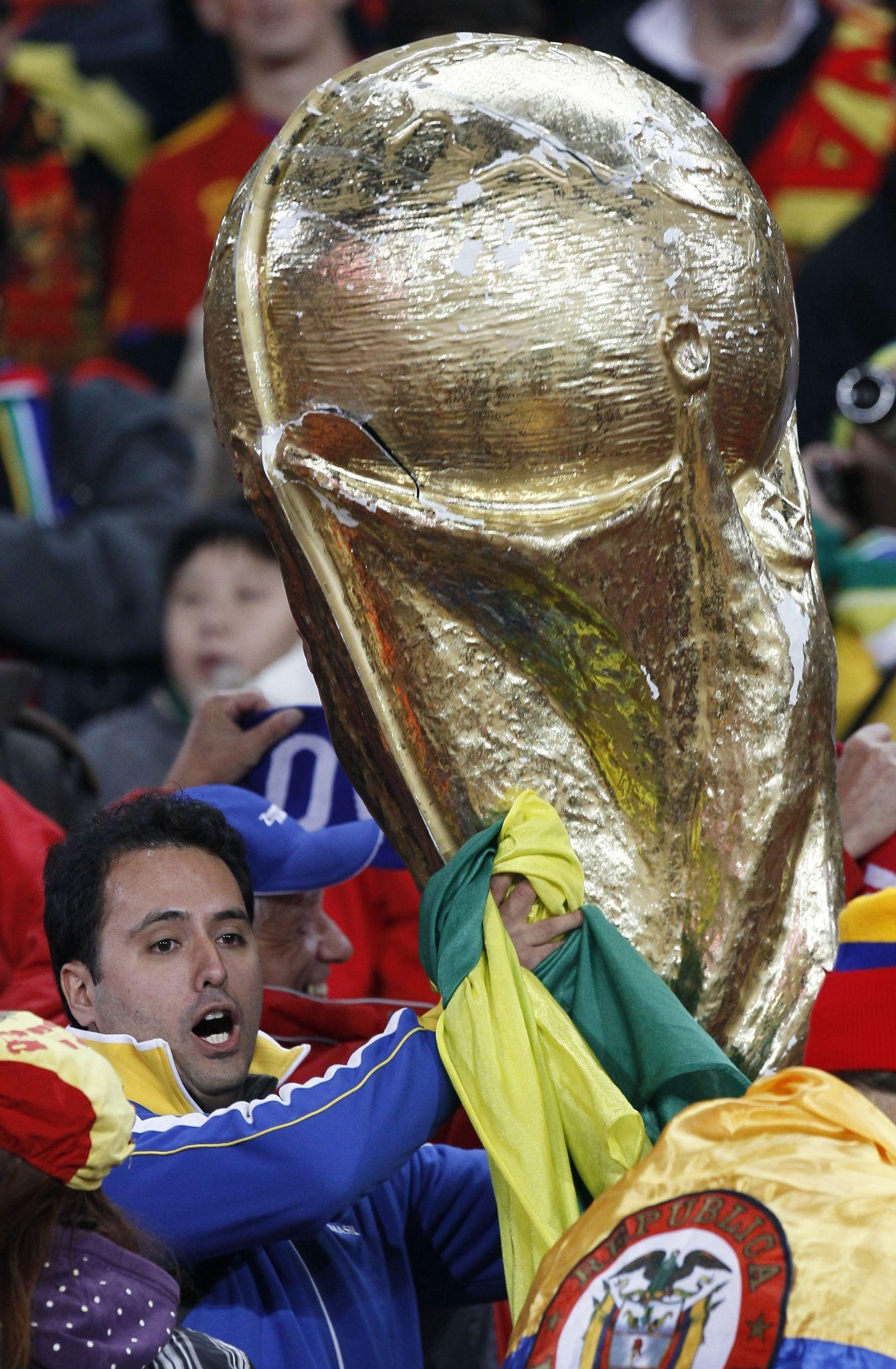
Expansion and Structure: A More Inclusive Competition
One of the most significant changes in 2026 is the expansion from 32 to 48 participating teams. This structural shift increases representation across continents and offers emerging football nations a realistic pathway to compete on the global stage.
The group stage becomes more complex and competitive. For example:
- Canada, one of the co-hosts, will compete in Group B alongside Switzerland, Qatar, and Bosnia and Herzegovina.
- The Canadian team faces heightened expectations, aiming to advance beyond the group stage for the first time in its history.
- The group includes diverse playing styles, from European tactical discipline to Middle Eastern technical play and Balkan resilience.
This expanded format increases the total number of matches, intensifies scheduling demands, and creates more narratives across regions.
Host Nations and Cultural Significance
The tri-nation hosting model introduces a broader cultural footprint than any previous World Cup.
- United States: Expected to host the majority of matches, leveraging its large stadium infrastructure and commercial market.
- Canada: Seeks to redefine its identity beyond hockey, positioning itself as a serious football nation.
- Mexico: Brings historical continuity, becoming the first country to host the World Cup three times.
This distribution transforms the tournament into a continental event rather than a national one, enabling millions of fans across North America to engage directly with matches and fan festivals.
Technology at the Core: A Digitally Connected Tournament
The 2026 World Cup is also a technological milestone. Verizon has been appointed as the Official Telecommunication Services Sponsor, responsible for delivering the digital backbone of the tournament.
Key innovations include:
- 5G Network Deployment: Stadium capacity boosted by an estimated 3–5 times through expanded spectrum and infrastructure.
- Thousands of Antennas Installed: Including under-seat and specialized antennas to improve connectivity for fans.
- Nearly 140 Small Cells: Enhancing coverage in and around venues and fan zones.
These upgrades enable fans to stream, share, and interact in real time, with expectations that each match could generate over 50 terabytes of data usage inside a stadium alone.
Beyond connectivity, technology will influence gameplay and broadcasting:
- Real-time player and ball data collection
- High-definition global broadcast delivery
- Referee body cameras offering immersive perspectives
As noted by FIFA’s technology leadership, the goal is to create “a truly connected and unforgettable event” that brings fans closer to the game.
Teams to Watch: Talent, Ambition, and Uncertainty
Canada: A Defining Moment
Canada enters the tournament with a renewed identity under coach Jesse Marsch, emphasizing an “aggressive, confident and powerful” style of play.
Key players include:
- Alphonso Davies – Bayern Munich star and national icon
- Jonathan David – Prolific forward
- Cyle Larin – Experienced attacker
Despite previous group-stage exits, expectations are high given home advantage and a more mature squad.
Colombia: Balancing Talent and Instability
Colombia arrives with a squad rich in experience and attacking depth but faces concerns over consistency.
Strengths:
- Dynamic attack led by Luis Díaz
- Creative midfield options including James Rodríguez
Weaknesses:
- Defensive instability
- Difficulty maintaining leads
- Recent losses (1–3 vs France, 1–2 vs Croatia)
Placed in a competitive group with Portugal, Congo, and Uzbekistan, Colombia’s campaign will depend on achieving tactical balance.
Economic and Social Impact
The 2026 World Cup is expected to generate substantial economic activity:
- Millions of international visitors across host cities
- Increased revenue for local businesses and tourism sectors
- Investment in infrastructure and digital connectivity
Telecommunication initiatives alone aim to leave a “lasting digital legacy” by improving long-term internet access, supporting sectors such as education, healthcare, and public safety.
Additionally, programs targeting small businesses will provide tools and training to capitalize on increased demand during the tournament.
Public Safety and Operational Scale
Managing an event of this magnitude requires coordinated planning across multiple domains. Advanced communication systems are being deployed to support first responders and ensure efficient emergency response.
With collaboration spanning over two years, authorities aim to maintain secure and resilient communication networks throughout the tournament, ensuring both fan safety and operational continuity.
Global Broadcast and Cultural Reach
The 2026 World Cup will reach billions of viewers worldwide through enhanced broadcast infrastructure. Advanced fiber networks and centralized data systems will ensure seamless content delivery across platforms.
In some regions, broadcasters will air dozens of matches free-to-air, increasing accessibility and expanding audience reach.
The tournament’s cultural influence extends beyond football:
- Strengthening global fan communities
- Amplifying player visibility and marketability
- Driving social media engagement at unprecedented levels
What Lies Ahead: Future Trends
The FIFA World Cup 2026™ signals several long-term trends:
- Technological Integration – Football increasingly relies on real-time data, AI-driven insights, and immersive viewing experiences.
- Global Expansion – More teams and broader hosting models reflect football’s universal appeal.
- Commercial Growth – Partnerships with major corporations highlight the sport’s economic scale.
- Fan-Centric Innovation – Digital engagement becomes as important as in-stadium experience.
These trends will likely shape future tournaments, including potential further expansions and deeper technological integration.
Conclusion: A Defining Tournament for Modern Football
The FIFA World Cup 2026™ stands at the intersection of sport, technology, and global culture. Its expanded format, multi-country hosting, and advanced digital infrastructure mark a departure from traditional tournament models.
For teams like Canada, it represents an opportunity to redefine national football identity. For nations like Colombia, it is a test of consistency and ambition. For fans, it promises an immersive, connected experience unlike any before.
Ultimately, this tournament is not just about crowning a champion—it is about redefining what a World Cup can be in a digitally connected, globally integrated era.


