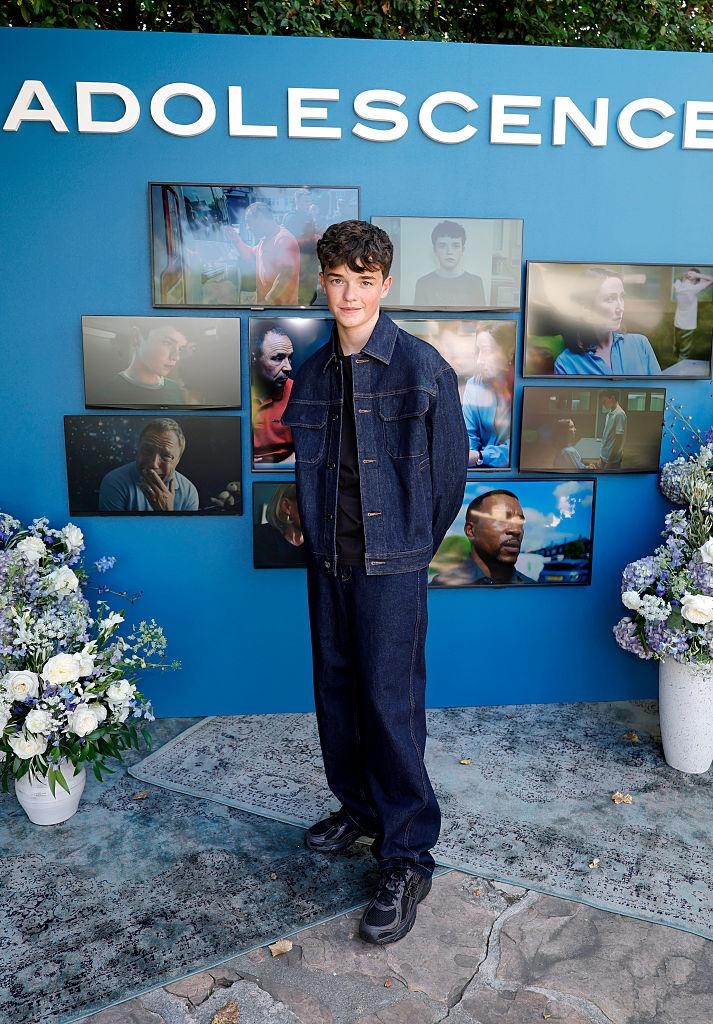
BAFTAs 2026: How Adolescence Dominated the BAFTA TV Awards and Redefined British Television
The 2026 BAFTA Television Awards delivered one of the most memorable nights in recent British TV history, blending emotional speeches, cultural debate, political commentary, celebrity comedy, and a record-breaking triumph for Netflix’s Adolescence.
- Adolescence Becomes the Story of the Night
- Stephen Graham Finally Claims a BAFTA
- Owen Cooper’s Remarkable Rise
- Christine Tremarco’s Emotional Victory
- Why Adolescence Became More Than Television
- Narges Rashidi Delivers One of the Most Powerful Speeches
- Alan Carr and Celebrity Traitors Bring Comic Relief
- Greg Davies Brings Sharp Humor to the Ceremony
- BAFTA’s Sensitive Return After Earlier Controversy
- Other Major Winners of the Night
- The Continuing Rise of Television Awards Culture
- How the BAFTAs Could Shape the Emmy Awards Race
- A Night That Reflected Modern Television’s Power
Held at London’s Royal Festival Hall and hosted by comedian Greg Davies, the ceremony celebrated the best in television while also highlighting how modern drama can spark national conversations far beyond entertainment. By the end of the evening, one series stood above all others: Adolescence.
The gritty Netflix drama collected four major awards — more than any other show during the main ceremony — cementing its place as the defining British television success story of the year.
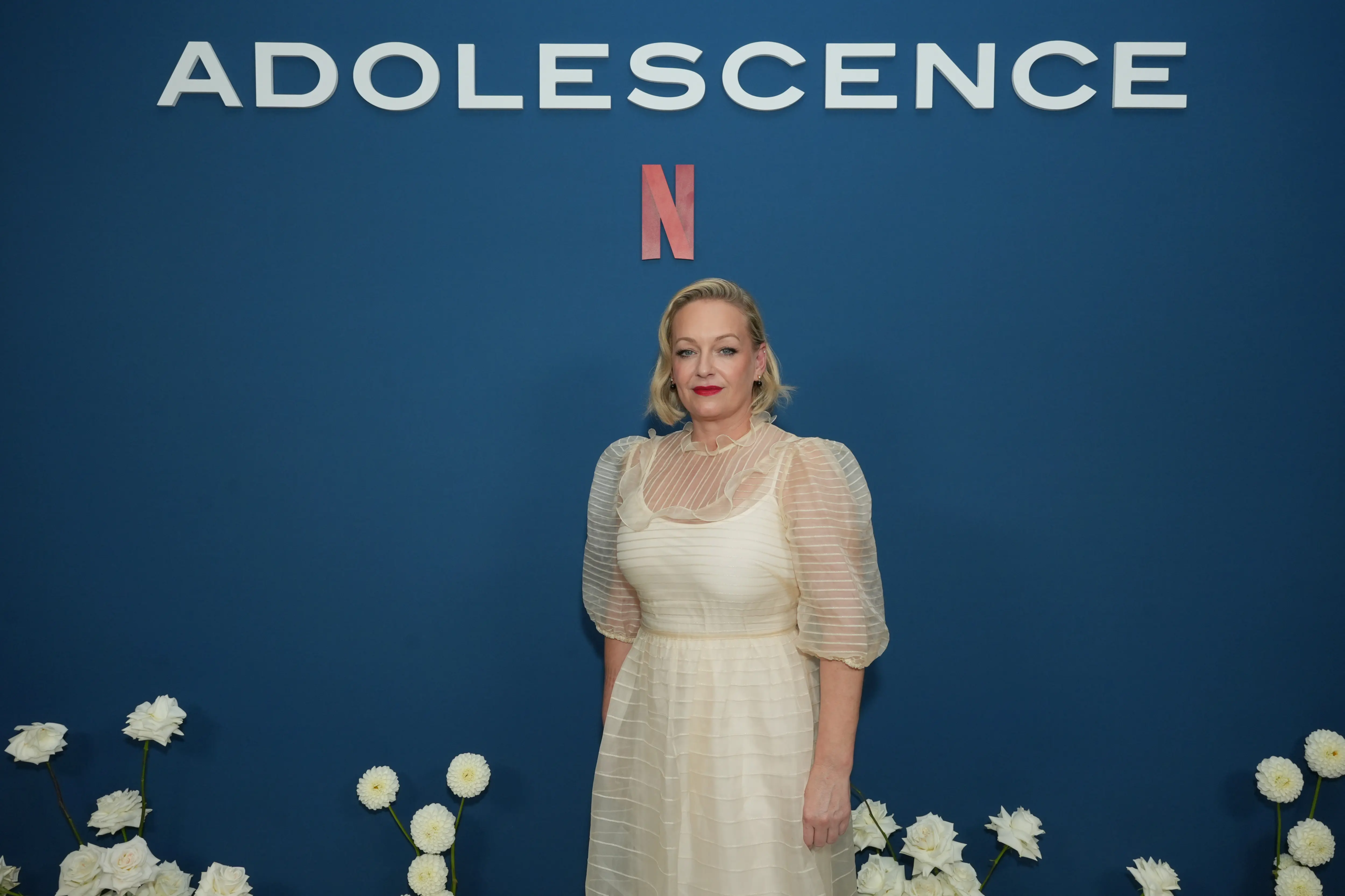

Adolescence Becomes the Story of the Night
Even before the BAFTAs began, Adolescence entered the ceremony as one of the most talked-about dramas in years. The series had already earned acclaim throughout awards season and arrived with a remarkable list of nominations.
The drama, centered on 13-year-old Jamie Miller — a schoolboy accused of murdering a female classmate — resonated deeply with audiences because of its exploration of youth violence, online radicalization, masculinity, and modern social pressures. Each episode was filmed in a single continuous take, a creative decision widely praised by critics.


By the end of the evening, the show had won:
- Best Limited Drama
- Best Leading Actor for Stephen Graham
- Best Supporting Actress for Christine Tremarco
- Best Supporting Actor for Owen Cooper
The achievement marked BAFTA history, making Adolescence the most-awarded single TV series during the main ceremony.
Stephen Graham Finally Claims a BAFTA
For years, Stephen Graham has been regarded as one of Britain’s finest screen actors. Despite multiple nominations and acclaimed performances, a BAFTA win had always eluded him.
That changed in 2026.


Accepting the Leading Actor award, Graham delivered one of the night’s most heartfelt speeches. Reflecting on his childhood inspirations, he recalled watching Scully and seeing actor Drew Schofield living near his grandmother’s house.
“He showed me that I could be on the telly,” Graham said.
He added:
“For any other young kid, no matter where you’re from, anything is possible.”
Graham also emphasized the social responsibility of storytelling, saying television creators have “the obligation to tell beautiful stories.”
The actor’s win felt especially significant because Adolescence was not simply a performance vehicle; Graham also co-wrote the series alongside Jack Thorne, helping shape one of the year’s most influential dramas.
Owen Cooper’s Remarkable Rise
At only 16 years old, Owen Cooper emerged as one of the breakout stars of the awards season.
Winning Supporting Actor for his portrayal of Jamie Miller, Cooper became the youngest-ever winner in the category.
His speech quickly became one of the most widely shared moments of the night.
“A year ago, I was presenting an award and now I’m collecting one. This is a bit mad,” he said.
Then came the line that instantly resonated with viewers:
“You only need three things to succeed: one, you need an obsession; two, you need a dream; and three, you need The Beatles.”
Backstage, Cooper reflected on the emotional journey of making the series, explaining that every awards moment brought memories of his very first audition flooding back.
His performance throughout awards season has transformed him from newcomer to one of Britain’s most promising young actors.
Christine Tremarco’s Emotional Victory
Christine Tremarco’s Supporting Actress win became one of the ceremony’s most emotional moments.
The actress portrayed Jamie’s mother in Adolescence, delivering a layered performance that captured grief, confusion, fear, and resilience. During her acceptance speech, she dedicated the award to Stephen Graham, Hannah Walters, and the wider Adolescence team.
As she spoke, cameras captured Graham and Walters visibly crying in the audience.
“I feel so honoured to be a part of Adolescence,” Tremarco said. “I hold this BAFTA high.”
Her victory reinforced how strongly audiences and voters connected with the emotional realism of the series.
Why Adolescence Became More Than Television
Part of what made Adolescence so impactful was its broader cultural effect.
The series sparked national debate following its release on Netflix, particularly regarding online misogyny, incel culture, youth violence, and mental health among teenage boys.
Its influence became so significant that Netflix later agreed to allow schools to screen the series as an educational resource.
In an era when streaming dramas often disappear after a brief viral moment, Adolescence achieved something rarer: it became part of wider public discourse.
The BAFTA wins effectively confirmed the show’s transition from entertainment success to cultural phenomenon.
Narges Rashidi Delivers One of the Most Powerful Speeches
While Adolescence dominated the ceremony, another unforgettable moment came when Narges Rashidi won Leading Actress for Prisoner 951.
Rashidi portrayed Nazanin Zaghari-Ratcliffe, the British-Iranian woman imprisoned in Tehran, and dedicated the award directly to her and her family.
“Your resilience, your dignity, your love through impossible circumstances have moved us all,” she said.
She also referenced ongoing global conflicts, mentioning children affected by war in Gaza, Ukraine, and Sudan.
The speech became one of the ceremony’s most politically resonant moments.
Alan Carr and Celebrity Traitors Bring Comic Relief
Not every BAFTA moment was serious.
Comedian Alan Carr became one of the evening’s breakout personalities after Celebrity Traitors won both Best Reality Show and the Memorable Moment Award.
Carr’s acceptance speech mixed self-deprecating humor with affection for fellow contestants.
“Was I good? Was I really? Or were the other celebrities just thick?” he joked.
His playful rivalry with singer Paloma Faith — whom he “murdered” in the show — became a recurring gag throughout the night.
Host Greg Davies also leaned heavily into the comedy surrounding the reality competition, describing Carr as a “manipulative serial killer” created by reality television.
Greg Davies Brings Sharp Humor to the Ceremony
Greg Davies’ debut as BAFTA host proved highly successful.
The Taskmaster star delivered a steady stream of jokes targeting reality TV, soap operas, celebrity culture, and even BAFTA itself.
Among the evening’s most quoted moments:
- Jokes about Alan Carr’s transformation on Celebrity Traitors
- A gag about Daniel Day-Lewis surviving in EastEnders
- Teasing Celia Imrie over her now-viral accidental on-screen fart
- Mock frustration over Romesh Ranganathan receiving more nominations than him
Davies managed to maintain the balance between affectionate satire and celebratory tone — an essential skill during major televised award ceremonies.
BAFTA’s Sensitive Return After Earlier Controversy
The 2026 TV Awards also carried additional pressure for BAFTA organizers.
Earlier in the year, the BAFTA Film Awards faced backlash after a racial slur was accidentally broadcast live during the ceremony. The incident triggered criticism over editorial oversight and delayed removal of the footage from streaming platforms.
As a result, organizers reportedly introduced tighter controls and additional staff for the television ceremony.
The smoother handling of the TV Awards helped BAFTA stabilize its public image while returning focus to the achievements being celebrated on stage.
Other Major Winners of the Night
Beyond Adolescence, several major productions and personalities earned recognition:
Amandaland
The BBC comedy won Best Scripted Comedy, while Lucy Punch and Philippa Dunne were among the nominees praised throughout awards season.
Last One Laughing
The comedy competition series earned two awards, including Entertainment Programme and Entertainment Performance for Bob Mortimer.
Code Of Silence
The ITV drama won Best Drama Series and also reignited discussions about disability representation in television.
Dame Mary Berry
The television icon received the BAFTA Fellowship, the academy’s highest honor. During her emotional speech, she paid tribute to her children, including her late son William.
Martin Lewis
The consumer finance expert received the BAFTA Special Award, reflecting his influence as both broadcaster and public advocate.
The Continuing Rise of Television Awards Culture
The 2026 BAFTA Television Awards also demonstrated how streaming platforms continue reshaping the awards landscape.
Netflix, Apple TV+, Disney+, Channel 4, BBC, and ITV all competed aggressively across categories, illustrating the increasingly fragmented yet creatively competitive television environment.
Shows like Adolescence, The Studio, The White Lotus, and Severance showed how prestige television now operates globally rather than nationally.
At the same time, British television retained a distinctly local identity through dramas focused on social realism, political storytelling, and public-service broadcasting traditions.
How the BAFTAs Could Shape the Emmy Awards Race
The dominance of Adolescence may also influence the upcoming Emmy Awards conversation.
Stephen Graham’s performance has already secured major international recognition, including previous Emmy and Golden Globe wins.
Industry observers now expect:
- increased Emmy momentum for Adolescence
- stronger international visibility for Owen Cooper
- expanded opportunities for British limited dramas on streaming platforms
The BAFTAs often act as a key indicator for global awards trends, especially for UK productions crossing into international markets.
A Night That Reflected Modern Television’s Power
The BAFTA TV Awards 2026 ultimately became more than an awards show.
It was a reflection of where television currently stands:
- emotionally ambitious
- socially engaged
- globally distributed
- politically aware
- and culturally influential
At the center of that conversation stood Adolescence — a series that transformed difficult social issues into compelling drama and, in the process, became the defining television success of the year.
From Stephen Graham’s long-awaited victory to Owen Cooper’s extraordinary rise and Christine Tremarco’s emotional triumph, the night belonged to a production that proved television can still unite audiences around stories that matter.