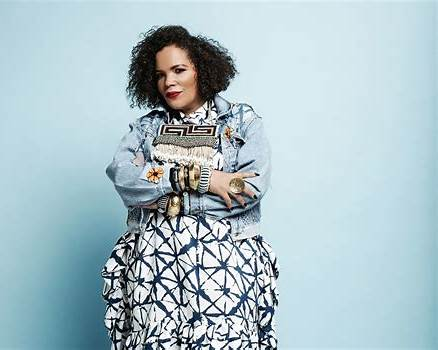
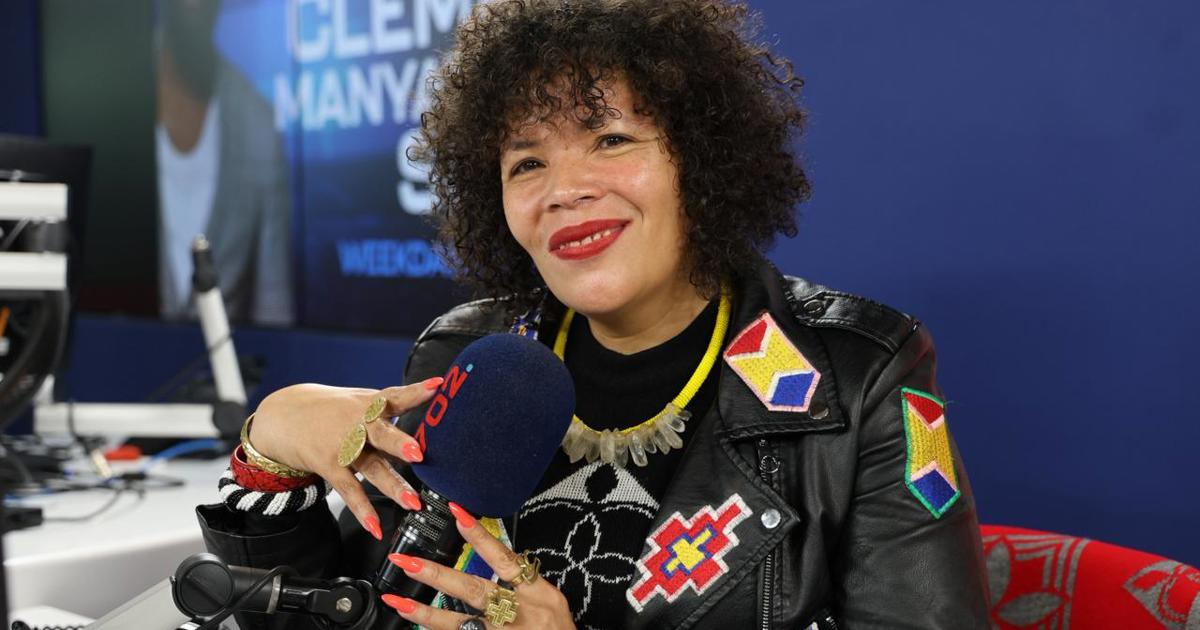
Maria McCloy Remembered: The Cultural Visionary Who Helped Shape Modern South Africa
The death of Maria McCloy at the age of 50 has sent shockwaves through South Africa’s creative industries, prompting an outpouring of grief from musicians, designers, journalists, actors, broadcasters, and cultural leaders who viewed her as one of the country’s most influential creative connectors.
McCloy, who died from heart failure at Milpark Hospital in Johannesburg on May 12, 2026, was far more than a publicist or designer. Across three decades, she became a defining figure in post-apartheid urban culture — someone who helped document, amplify, and shape the evolution of South African music, fashion, media, and identity.
Her career crossed industries effortlessly. She worked as a DJ, journalist, television producer, fashion entrepreneur, publicist, and cultural strategist. Yet friends and colleagues say what made her truly exceptional was her ability to bring people together and champion African creativity before it became globally fashionable.

A Creative Force Born Between Worlds
Maria McCloy was born in Maseru, Lesotho, on January 20, 1976, to an English father, Jim McCloy, and a Mosotho mother, Mathabo. She grew up moving across multiple countries, including Sudan, Nigeria, Mozambique, Britain, and South Africa. That multicultural upbringing would later become central to her artistic vision.
Her style philosophy emerged from many worlds at once: English charity-shop fashion, Mozambican capulana textiles, Basotho craftsmanship, African street culture, and global youth music scenes. Friends often described her as someone who instinctively understood how culture, fashion, politics, and identity intersected.
After attending St Anne’s Diocesan College in KwaZulu-Natal, she studied journalism and politics at Rhodes University. It was there that she met future collaborators Kutloano Skosana and Addiel Dzinoreva — relationships that would help reshape South African urban media in the years after apartheid.
Black Rage Productions and the Rise of Urban Culture Media
In 1995, McCloy co-founded Black Rage Productions at a time when South Africa’s mainstream media paid little attention to emerging Black urban culture.
The country was newly democratic. Kwaito music was exploding in townships. Young South Africans were redefining identity through fashion, poetry, music, and language. Yet very few publications treated those developments seriously.
McCloy and her partners decided to change that.
Their platform, rage.co.za, became one of the first major online destinations dedicated to South African urban culture. Through television productions such as Bassiq, Street Journal, Soul Sundays, and Noted, Black Rage Productions documented a generation discovering its voice.
The company’s record label, Outrageous Records, signed artists including Zubz, H2O, Pebbles, Reason, and Proverb, helping lay foundations for South Africa’s modern hip-hop scene.
Lesego Chepape later described McCloy’s work as culturally transformative because it understood that “fashion, music, parties, slang and aesthetics were not frivolous things but markers of identity and political expression.”
The Woman Who Understood “Cool” Before the Industry Did
Friends, colleagues, and artists consistently described McCloy as someone who recognized creative movements before the broader industry caught up.
She worked in public relations for MTV Networks Africa and Paramount, helping shape communications for brands such as MTV, BET, Comedy Central, and Nickelodeon. She also handled publicity for major artists and productions including Toni Braxton, Babyface, Bongo Maffin, Thandiswa Mazwai, and the Hugh Masekela Heritage Festival.
But McCloy’s influence went beyond marketing campaigns. She became known as a “connector” — someone whose relationships across music, fashion, television, and art allowed creative communities to collaborate and grow.
The South African group TkZee credited her with writing the first article ever published about them. Media figures such as Minnie Dlamini, Azania Mosaka, and Melanie Bala publicly honored her generosity and mentorship after news of her death emerged.
Music In Africa remembered her as someone who actively nurtured younger journalists and writers entering the industry.
Building an African Fashion Identity
Although McCloy had no formal design training, she eventually became one of South Africa’s most recognizable accessories designers.
Her fashion label emerged almost accidentally after she encountered a craftsman in Lesotho making copper-wire earrings. That encounter sparked a business that would later expand into African-print clutches, shoes, bags, jewelry, and streetwear.
She worked closely with artisans from across the continent — Tanzanian jewelry makers, Nigerian bag craftsmen, and Johannesburg shoemakers — insisting that production remain rooted in Africa even when outsourcing overseas would have been cheaper.
“It would be easier and cheaper to produce in the East,” she once said, “but I want my continent to win and my collaborators to win with me.”
Her work eventually appeared at South African Fashion Week, Brighton Museum’s Fashion Cities Africa exhibition, and the Tropenmuseum in Amsterdam. Celebrities including Lupita Nyong’o and Michael B. Jordan reportedly sought out her designs.
McCloy also collaborated with Woolworths for the retailer’s StyleBySA collection, a milestone she considered one of her greatest achievements because it moved African-inspired fashion from niche markets into mainstream retail.
Joe Nina’s Emotional Farewell
Among the most personal tributes came from 1990s music icon Joe Nina, who reflected emotionally on his long friendship with McCloy.
Speaking after her death, Nina revealed that they had recently reunited during her 50th birthday celebration earlier this year.
“A friend of hers called me to surprise Maria and it was so beautiful to see her,” he said. “After that she sent two t-shirts from her designs — but I didn’t know it was a goodbye.”
Their connection stretched back to Nina’s 1993 hit Ding Dong, which referenced a woman named Maria Podesta — a university nickname McCloy carried at the time. Nina later explained that McCloy partly inspired the song’s character.
Recalling their final conversation, Nina shared one of the most widely quoted reflections following her passing:
“I was telling her how proud I am of all the work she’s done and she said, ‘you know, we gonna love each other for life.’ And I agreed and said we gonna love each other for life because I really cared and appreciated her.”
Johannesburg, African Creativity, and the Politics of Style
McCloy’s work was never purely commercial. She viewed African fashion and culture as political acts of visibility and self-definition.
She rejected narrow definitions of authenticity and pushed for African aesthetics to exist in everyday life rather than being reserved for ceremonial occasions.
“It’s a stylish, evolving Pan-African, very rooted city,” she once said about Johannesburg. “Despite what has happened to people, apartheid and colonialism did not kill self-love, creativity or a sense of occasion and style.”
Friends say she spent countless hours in Johannesburg’s inner city markets, speaking with beaders, textile artists, and craftspeople, helping elevate local talent into broader cultural conversations.
Actor Bongani Madondo remembered her relentless work ethic with characteristic humor:
“Maria McCloy hustled like a muthah.”
A Legacy That Reaches Beyond Fashion and Music
The significance of Maria McCloy’s career lies not only in what she created personally, but in the ecosystems she helped build.
Before African luxury fashion became globally celebrated, before streaming platforms elevated African music internationally, and before youth culture became a major commercial market, McCloy was already documenting and amplifying those movements.
She helped legitimize local creativity during a period when institutional support for Black urban culture remained limited.
Industry observers now describe her as part of the human infrastructure that enabled South Africa’s creative industries to flourish.
Her family said she possessed “a special way of bringing people together and her presence brought comfort, laughter and love to all who knew her.”
She is survived by her mother and sisters, Thandiwe and Natasha. Funeral and memorial service details are expected to be announced later.
The End of an Era
Maria McCloy’s passing marks the loss of one of South Africa’s most influential cultural architects — a woman who documented, celebrated, and elevated African creativity across journalism, music, television, public relations, and fashion.
For many in South Africa’s arts community, her death feels deeply personal because her career was built on relationships, mentorship, collaboration, and community-building.
She did not simply observe South Africa’s cultural transformation after apartheid. She actively helped create it.
And in the tributes now flooding social media and newsrooms alike, one message appears repeatedly: the creative confidence visible across modern African culture carries Maria McCloy’s fingerprints.