

Josh Harris Faces a Defining 76ers Moment After Daryl Morey Exit
For Josh Harris, the latest Philadelphia 76ers reset is not just another front-office change. It is a referendum on ownership, patience, ambition, and the emotional contract between a franchise and one of America’s most demanding sports cities.
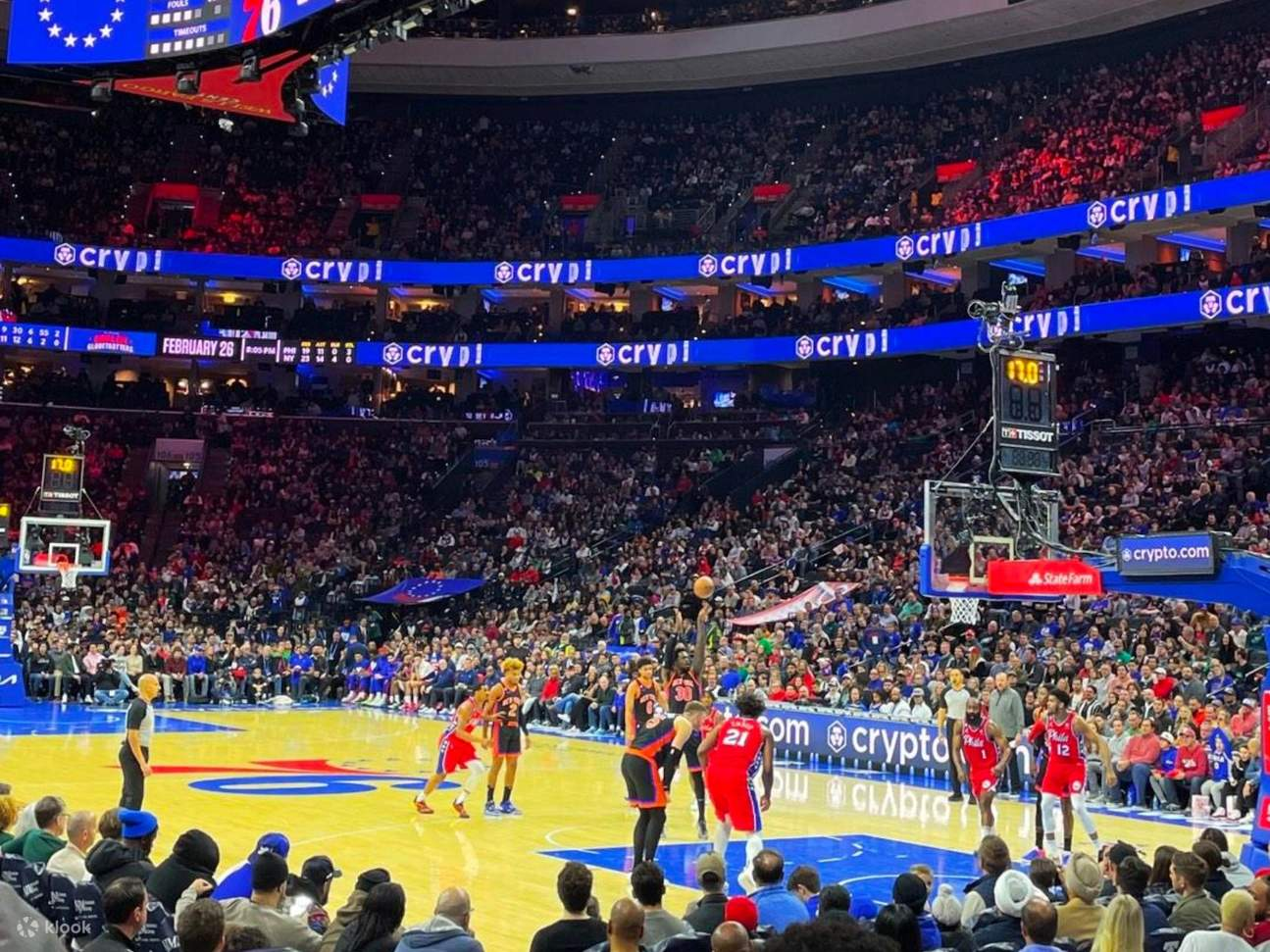
After the 76ers’ second-round playoff exit and the departure of president of basketball operations Daryl Morey, Harris moved quickly to address a fan base that has grown tired of promising rosters, big-name decisions, and familiar postseason disappointment. Philadelphia reached the Eastern Conference semifinals, but a 4-0 sweep by the New York Knicks intensified questions about the direction of the organization.
At the center of the moment is Harris: owner, executive power broker, and increasingly the public face of a franchise searching for credibility after another season ended short of championship expectations.
The Message Harris Sent to Philadelphia
Harris’ statement after Morey’s departure was direct, measured, and clearly aimed at a frustrated fan base.
“I have a tremendous amount of respect for Daryl personally and professionally, and I’m grateful for his contributions over the last six seasons. After speaking with Daryl, we determined that it was time for a fresh start. Bob Myers will lead the process of identifying a new leader and I believe his experience in constructing four NBA championship teams will be a valuable resource to our organization,” Harris said.
That wording matters. Harris did not frame the move simply as a firing or a reactionary decision. He described it as a “fresh start,” placing the next phase of the franchise in the hands of Bob Myers, the former Golden State Warriors general manager who now serves as president of sports for Harris Blitzer Sports & Entertainment. Myers previously helped construct four NBA championship teams with Golden State, making him one of the most decorated front-office figures attached to the Sixers’ next search.
But Harris’ most important words were reserved for fans.
“To our fans, your frustration and disappointment are understandable and warranted. We have fallen well short of our own expectations and failed to deliver in the way this city deserves. That bothers me deeply and I have confidence in Bob to establish a path forward for our franchise.”
For a Philadelphia audience, that is not just public relations language. It is an acknowledgment that ownership understands the scale of the failure. The Sixers have not merely lost playoff series; they have repeatedly raised expectations and then watched them collapse before reaching the Eastern Conference Finals.
Why the Morey Era Ended
Daryl Morey’s tenure in Philadelphia was defined by ambition. He arrived with a reputation as one of basketball’s most analytically influential executives, and his time with the Sixers included major roster-building swings around Joel Embiid, Tyrese Maxey, Paul George, and VJ Edgecombe.
The record was not empty. Under Morey, the 76ers posted a 270-212 regular-season record and a 28-26 postseason record, according to the provided reporting. The team reached the semifinals multiple times during his run, but the larger problem was that Philadelphia never broke through when it mattered most.
The 2025-26 season sharpened that contradiction. The 76ers finished 45-37 as the seventh seed, advanced past the Boston Celtics in the first round, and then ran into a Knicks team that exposed their lack of depth and inconsistent two-way play. The sweep made it difficult for ownership to argue that continuity alone could solve the franchise’s deeper problems.
The decision to keep head coach Nick Nurse while parting ways with Morey has also drawn scrutiny. Analyst Kevin O’Connor criticized the structure of the move, writing: “Morey out, Nurse stays. Makes no sense to fire the front office but keep the coach. Any new GM will want to hire their own head coach. But this is Josh Harris, one of the NBA’s worst owners. He’s the reason why Philly always ducked the tax. Not Morey. But you can’t fire an owner.”
That criticism captures a broader concern: whether the Sixers’ next basketball operations leader will truly have full authority to reshape the organization, or whether the franchise will remain constrained by existing decisions.
Bob Myers Becomes the Most Important Figure in the Room
The next major decision will not be made by Harris alone. Bob Myers will lead the process of identifying Morey’s replacement, and that gives the search instant credibility.
“I know how much the 76ers mean to the City of Philadelphia, and it’s important we find the right leader to shape the future of this team,” Myers said.
“The process will start immediately, and we will be thorough and deliberate in our evaluations. I believe this is a destination for top talent across the league and look forward to solidifying our infrastructure moving forward.”
The word “infrastructure” is especially important. Philadelphia’s issue is not just one roster move, one playoff series, or one executive. The franchise needs a durable decision-making structure that can handle Embiid’s health, Maxey’s prime, Paul George’s role, Edgecombe’s development, salary constraints, draft decisions, and the coaching question all at once.
Myers’ presence gives the Sixers a clearer search process. His Warriors background also gives Harris something he badly needs: an executive with championship credibility who can sell Philadelphia as a serious destination rather than a pressure cooker defined by near-misses.
The Fan Frustration Is Bigger Than One Season
Philadelphia fans are not upset simply because the Sixers lost. They are frustrated because the franchise has repeatedly asked them to believe that the next version of the team would be different.
The latest criticism has come from several directions. Some fans and commentators have focused on the team’s playoff ceiling. Others have questioned ownership’s willingness to spend aggressively enough to support a championship roster. Some coverage has also pointed to the visible frustration inside the fan base after the Knicks series, including debate over empty seats, visiting fans, and whether Philadelphia remains fully invested in the Sixers.
That last point is easy to misread. Philadelphia remains a passionate sports city, but passion is not the same as unconditional approval. Fans can love a franchise and still refuse to reward what they view as repeated organizational failure. In that sense, Harris’ statement was not optional. It was necessary.
His challenge is that words will not repair the relationship. Only better decisions will.
What Harris Must Get Right Next
The Sixers’ next front-office hire may define the remaining competitive window of this roster. A new basketball operations leader will inherit a team with star power, pressure, financial complexity, and a fan base with little tolerance for another long explanation.
The priorities are clear.
First, Philadelphia must decide what kind of team it wants to be around Embiid and Maxey. Second, it must determine whether Nurse is truly the coach for the next era or simply a holdover from the previous one. Third, it must address depth, durability, and postseason adaptability — three issues that became impossible to ignore against New York.
There is also a reputational component. Harris owns a portfolio that extends beyond the 76ers, including major sports interests through Harris Blitzer Sports & Entertainment. But in Philadelphia, ownership is judged by banners, not portfolios. The Sixers’ next move must convince fans that the organization is not merely rearranging leadership titles, but building a smarter and more accountable basketball operation.
A Defining Ownership Test
Josh Harris has now publicly accepted that the Sixers have “fallen well short” of expectations. That admission sets the standard for what comes next.
If Myers identifies a strong front-office leader, if the new regime brings clarity to the roster, and if Philadelphia finally turns regular-season promise into postseason substance, this moment may be remembered as the reset the franchise needed.
If not, Harris’ statement will become another entry in a long record of Sixers disappointment — another promise of change in a city that has heard too many of them.
For now, the significance is unmistakable: Josh Harris is no longer just overseeing another basketball decision. He is facing a trust test with Philadelphia. And in this city, trust is not restored by statements. It is restored by winning.


