
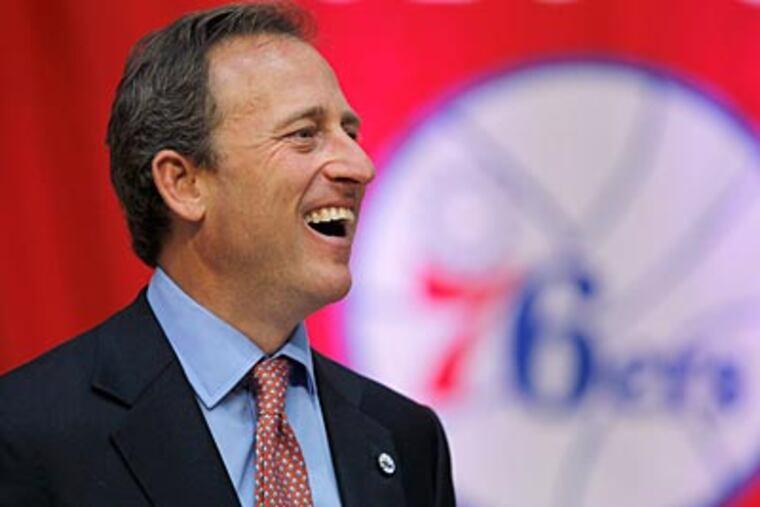
Josh Harris News: Sixers Reset Puts Philadelphia’s Frustration Back on the Owner’s Desk
Josh Harris is again at the center of major sports headlines, and this time the news cuts across two pressure points in his expanding ownership portfolio: the Philadelphia 76ers’ latest postseason disappointment and the Washington Commanders’ ambitious stadium future.
In Philadelphia, Harris has moved into reset mode after the 76ers parted ways with president of basketball operations Daryl Morey. The decision came after another playoff exit that left fans frustrated and ownership searching for a new direction. At the same time, Harris’ Commanders project in Washington faces a different kind of scrutiny, with transportation concerns surrounding the planned RFK stadium site raising questions about whether the team’s homecoming can deliver on its promise of a better fan experience.
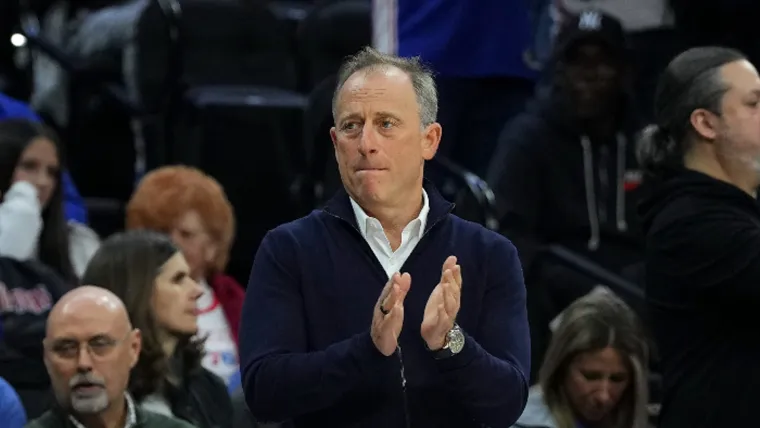
A Fresh Start After the Daryl Morey Era
The most immediate Josh Harris news centers on the 76ers’ decision to part ways with Morey, who had served as president of basketball operations since 2020 after a long tenure with the Houston Rockets. During his time in Philadelphia, Morey guided the franchise to a 270-212 record and helped bring in core pieces such as Tyrese Maxey and VJ Edgecombe, but the team never advanced beyond the second round of the NBA playoffs.
That limitation became the defining issue. For a franchise built around championship expectations, regular-season competence was no longer enough.
Harris framed the move as a necessary organizational reset.
“I have a tremendous amount of respect for Daryl personally and professionally, and I’m grateful for his contributions over the last six seasons. After speaking with Daryl, we determined that it was time for a fresh start. Bob Myers will lead the process of identifying a new leader and I believe his experience in constructing four NBA championship teams will be a valuable resource to our organization.”
The statement was both respectful and pointed. Harris acknowledged Morey’s work, but the phrase “fresh start” made clear that ownership believes the Sixers need a different basketball vision.
Nick Nurse Stays, Bob Myers Takes the Lead
While Morey is out, head coach Nick Nurse is staying on for a fourth season with the organization. Nurse, who previously led the Toronto Raptors to their first NBA championship, holds a 116-130 record with Philadelphia, including a 45-37 mark this past season.
That decision suggests Harris and the 76ers are not planning a full teardown. Instead, the organization appears to be targeting the front office as the primary area in need of change.
The most important figure in the next phase is Bob Myers, the former Golden State Warriors executive who now serves as president of sports for Harris Blitzer Sports & Entertainment. Myers will lead the search for Morey’s replacement and oversee the basketball department in the interim. His résumé is central to why Harris is placing trust in him: Myers helped construct four NBA championship teams with Golden State.
Myers described the task as urgent but careful.
“I know how much the 76ers mean to the City of Philadelphia, and it’s important we find the right leader to shape the future of this team.”
“The process will start immediately, and we will be thorough and deliberate in our evaluations. I believe this is a destination for top talent across the league and look forward to solidifying our infrastructure moving forward.”
For Philadelphia, the hire matters because the next basketball operations chief will inherit a roster, a fan base, and an ownership mandate shaped by years of unmet expectations.
Harris Sends a Direct Message to Sixers Fans
Harris’ most revealing comments were not about Morey alone. They were directed at the fans.
“To our fans, your frustration and disappointment are understandable and warranted. We have fallen well short of our own expectations and failed to deliver in the way this city deserves. That bothers me deeply and I have confidence in Bob to establish a path forward for our franchise.”
That line matters because it recognizes what has become increasingly difficult for the Sixers to ignore: Philadelphia’s patience has thinned.
The frustration is not just about one playoff series or one executive. It is about a long period of promise that has not produced a conference finals appearance, let alone a championship. The 76ers have had star power, bold roster moves, high-profile executives, and repeated opportunities. Yet the final result has continued to feel incomplete.
Recent fan anger has also become highly visible. One fan reportedly claimed he was removed from Game 4 after repeatedly yelling that Josh Harris should sell the team, a moment that reflected the emotional temperature around the franchise after the Knicks completed a second-round sweep.
Why the Morey Decision Carries Bigger Meaning
The end of Morey’s tenure is not simply a personnel move. It is an admission that the Sixers’ current model has not delivered.
Morey arrived with a reputation for aggressive roster building, analytics-driven decision-making, and star-chasing ambition. In Philadelphia, that approach produced competitive teams but not a breakthrough. The franchise drafted and developed important talent, but its postseason ceiling remained unchanged.
For Harris, the challenge now is credibility. Philadelphia fans are unlikely to be satisfied by another internal reshuffling unless it leads to visible improvement. Keeping Nurse provides continuity on the bench, but the front office search will define the next era.
The next leader must answer several questions at once: how to maximize the current roster, how to manage expectations around stars and injuries, how to build depth, and how to restore belief in a fan base that has grown weary of resets.
Commanders Stadium Plans Bring a Different Test
Away from basketball, Harris is also facing scrutiny through his ownership of the Washington Commanders. The team’s planned move back to Washington, D.C., at the old RFK Stadium site has been presented as a transformational moment, but transportation concerns are already emerging as a major issue.
The proposed stadium is expected to seat around 65,000 fans, with far fewer parking spaces than the current Landover site. Reports cited in the provided material state that Northwest Stadium has about 22,000 parking spots, while the new venue would have only around 8,000. That means public transportation will need to carry a much larger share of game-day traffic.
WMATA expects between 26,000 and 38,000 people to arrive by bus or rail on game days. A new Metro station at the RFK site has been described as infeasible before the projected 2030 opening, with an estimated cost of $1 billion. Instead, the proposed transportation plan includes upgrades to the existing Stadium-Armory station and a “Gold Line” bus concept connecting Union Station to the stadium area.
The concern is straightforward: a new stadium can look spectacular on renderings, but if fans cannot get in and out efficiently, the experience could inherit the same frustrations that made the old setup unpopular.
The Ownership Pattern: Big Ambition, Public Pressure
The common thread between the Sixers and Commanders stories is not sport-specific. It is about ownership execution.
Harris controls major sports assets in passionate markets. Philadelphia and Washington are not passive fan bases. They expect visible commitment, serious infrastructure, and accountability when plans fall short.
With the Sixers, the issue is competitive credibility. With the Commanders, it is operational credibility. In both cases, Harris is being judged not by investment headlines but by outcomes fans can feel: playoff success, leadership decisions, stadium access, transportation, and the day-to-day experience of supporting the team.
That is why this moment is significant. Harris is not facing a single news cycle. He is managing a broader question about whether his ownership groups can turn ambition into results.
What Comes Next for Josh Harris and the Sixers
The first major development to watch is the search for Morey’s replacement. Myers’ role gives the process immediate credibility, but the final decision will carry long-term consequences. The Sixers need a basketball operations leader with enough authority, creativity, and discipline to reshape the franchise without wasting another competitive window.
The second question is how much the roster changes. Since Nurse is staying, the next executive will likely be expected to work with the existing coaching structure rather than rebuild from scratch. That could make the front office hire even more important, because it must align ownership, coaching, player development, and roster construction under one coherent plan.
The third issue is fan trust. Harris has acknowledged the frustration directly. Now he must show that the organization’s next moves are not cosmetic.
Conclusion: A Defining Moment for Harris’ Sports Empire
Josh Harris is in a high-stakes period as an owner. The 76ers’ split with Daryl Morey marks the end of one ambitious but incomplete chapter, while Bob Myers’ leadership of the front office search signals the beginning of another. Harris has admitted that Philadelphia’s frustration is justified, and that acknowledgment raises the standard for what must come next.
Meanwhile, the Commanders’ stadium challenge shows that Harris’ responsibilities extend beyond roster decisions. Modern sports ownership is about building competitive teams, managing public trust, delivering fan experience, and solving infrastructure problems before they become defining failures.
For Harris, the news is not just that change is happening. The bigger question is whether this change will finally produce the results his teams’ fans have been waiting for.


