

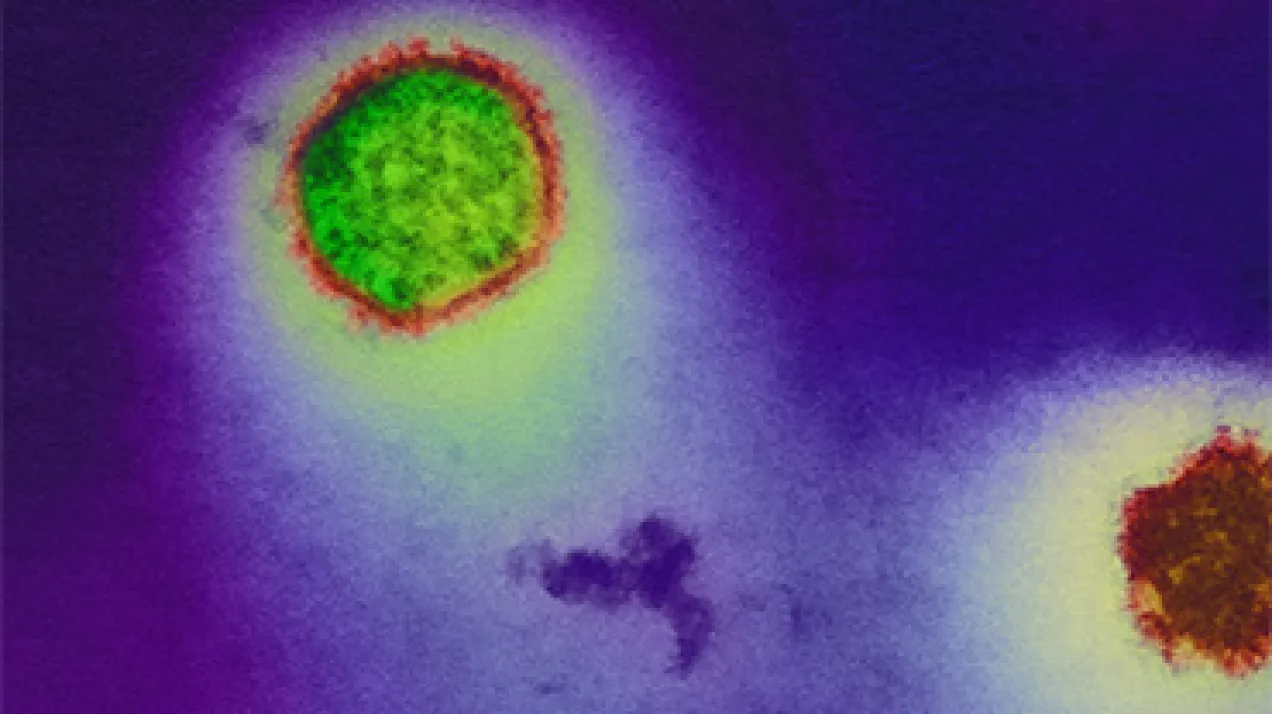
Who Is Linked to the Hantavirus Cruise Ship Outbreak? What Happened on the MV Hondius
A rare and serious hantavirus outbreak linked to cruise ship travel has drawn international attention after passengers and crew aboard the Dutch-flagged MV Hondius developed severe respiratory illness during a South Atlantic voyage. The incident has raised urgent questions: who was affected, how did the virus reach the ship, can hantavirus spread between people, and what happens next?
As of the latest available details, health authorities were investigating a cluster of hantavirus-associated illness involving multiple passengers, several confirmed or suspected cases, and three deaths. The vessel had departed Ushuaia, Argentina, on 1 April 2026 before travelling through remote destinations including Antarctica, South Georgia, Tristan da Cunha, Saint Helena and Ascension Island. By early May, the ship had been moored near Cabo Verde before setting course toward Spain’s Canary Islands under strict precautions.
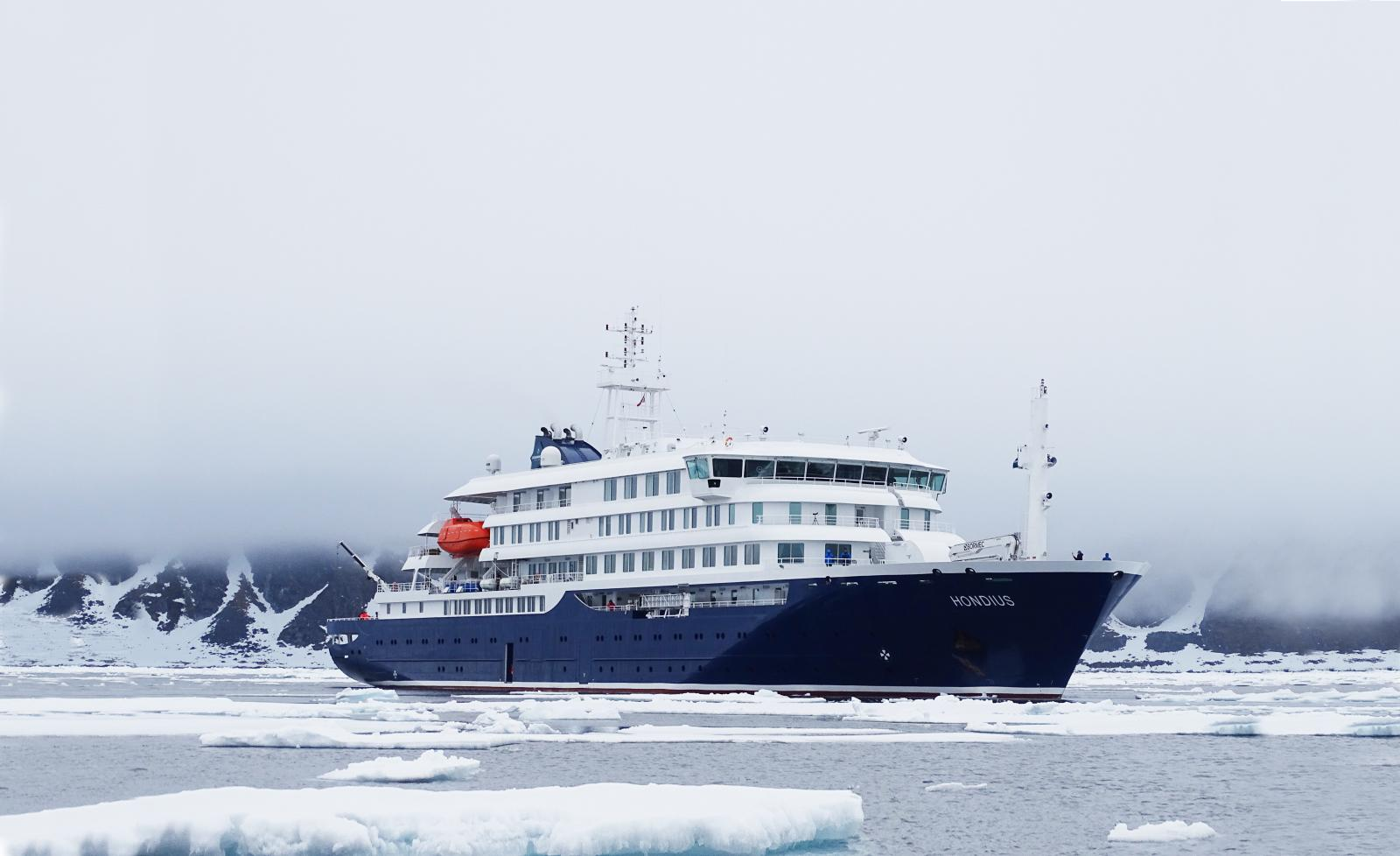
The Cruise Ship at the Centre of the Outbreak
The MV Hondius is an expedition cruise ship operated by Oceanwide Expeditions. It had been carrying passengers and crew from 23 nationalities, with officials reporting between 147 and 149 people on board in different updates. The passengers included nationals from several EU and EEA countries, among them Belgium, France, Germany, Greece, Ireland, the Netherlands, Poland, Portugal and Spain.
The outbreak became known internationally after a cluster of severe respiratory illness was reported on 2 May 2026. Initial reports described two deaths and one critically ill passenger, with laboratory testing later confirming hantavirus infection in at least some patients. By 6 May, seven cases had been reported in one European assessment, including three deaths, one critically ill person, two symptomatic people on board and one person diagnosed after returning to Switzerland.
A separate update reported eight cases — three confirmed and five suspected — among people who had been on the ship. Three people had died, while other passengers were medically evacuated or monitored after disembarking.
Who Was Affected?
The people publicly described in the outbreak include passengers and crew members from several countries. Three evacuees were identified by nationality as British, Dutch and German. Two people in serious condition were evacuated to the Netherlands for treatment, while a third passenger in stable condition was on an evacuation flight that was delayed. A 41-year-old Dutch crew member was also among those evacuated.
One British evacuee was identified by several media outlets as 56-year-old former police officer Martin Anstee, who was understood to be in a “stable condition” in the Netherlands. A 65-year-old German evacuee was described as “closely associated” with a German woman who died on board the ship on 2 May.
A man who had travelled back to Switzerland after leaving the ship later tested positive for hantavirus and was receiving care at a hospital in Zurich. “The patient had responded to an email from the ship’s operator informing the passengers of the health event,” World Health Organization chief Tedros Adhanom Ghebreyesus said in a statement.
The three deaths included a Dutch man who died on board on 11 April, his wife who later died in Johannesburg on 26 April after disembarking at Saint Helena, and a German woman who died on board on 2 May. Officials said one of the deceased had tested positive for hantavirus, while the other two deaths were still under investigation in the details provided.
How the Illness Unfolded
The timeline is central to understanding the outbreak. The first known case involved an adult male who developed fever, headache and mild diarrhoea on 6 April 2026, five days after the ship left Argentina. By 11 April, he had developed respiratory distress and died on board. No microbiological tests were performed, and his body was removed to Saint Helena on 24 April.
A second case involved an adult female who was a close contact of the first case. She went ashore at Saint Helena on 24 April with gastrointestinal symptoms, deteriorated during a flight to Johannesburg on 25 April, and died after arriving at the emergency department on 26 April. She was later confirmed by PCR to have hantavirus infection.
A third case, an adult male, presented to the ship’s doctor on 24 April with fever, shortness of breath and signs of pneumonia. His condition worsened on 26 April, and he was evacuated from Ascension to South Africa on 27 April, where he was hospitalized in an intensive care unit. PCR testing confirmed hantavirus infection on 2 May.
A fourth case involved an adult female who developed fever and a general feeling of being unwell on 28 April, presented with pneumonia and died on 2 May. Additional suspected cases reported high fever and/or gastrointestinal symptoms and remained on board while medical teams evaluated them and collected specimens.
What Is Hantavirus?
Hantavirus infections are viral diseases usually linked to rodents. Humans are primarily infected by inhaling aerosols contaminated with the urine, faeces or saliva of infected rodents, or by contact with contaminated surfaces. The disease is rare but can become severe and life-threatening.
Different hantaviruses cause different clinical syndromes. In the Americas, hantavirus pulmonary syndrome, also known as hantavirus cardiopulmonary syndrome, can produce fever, gastrointestinal symptoms, sudden respiratory distress, pneumonia, shock and acute respiratory distress syndrome. In Europe and Asia, hantaviruses are more often associated with haemorrhagic fever with renal syndrome.
Symptoms typically appear two to four weeks after exposure, but can occur as early as one week and as late as eight weeks after infection. That incubation window is a key reason investigators are examining whether the earliest case was exposed before boarding in Argentina rather than on the ship itself.
Why the Andes Virus Matters
The outbreak is especially significant because laboratory testing found evidence of Andes virus, a South American hantavirus associated with hantavirus pulmonary syndrome and a high fatality rate. South African health authorities reported that the Andes strain was found in two confirmed patients after testing by the country’s National Institute for Communicable Diseases.
Most hantaviruses do not spread from person to person. Andes virus is different because limited human-to-human transmission has been documented, usually after close and prolonged contact. That does not mean casual spread is likely, but it explains why health authorities treated everyone on board as a close contact in the closed environment of a cruise ship.
Dr Maria Van Kerkhove emphasized that the transmission pattern is not comparable to common airborne respiratory viruses. The way hantavirus is transmitted “is very different than COVID and flu,” she said. “We’re not talking about casual contact from very far away from one another,” she added, but “really physical contact”.
Did the Virus Spread on the Ship?
Investigators have not concluded exactly how all cases were infected. One leading hypothesis is that some passengers were exposed to Andes virus in Argentina before boarding, where the virus is endemic, and that subsequent transmission may have occurred among close contacts on the ship.
The first case is difficult to explain as an infection acquired after departure because symptoms began only five days after leaving Argentina, shorter than the usual incubation period. That makes pre-boarding exposure more plausible for the first patient. Later cases are less straightforward: they could reflect shared exposure before boarding, exposure during the voyage, or limited person-to-person spread among close contacts.
A public health investigation now depends on building a detailed timeline: who became ill, when symptoms began, who shared cabins or activities, who had close contact with earlier cases, and whether passengers had exposure to rodents, wildlife areas, contaminated dust or specific shore excursions before or during the voyage.
What Authorities Are Doing
The response has involved multiple countries and public health agencies, including Cabo Verde, the Netherlands, Spain, South Africa, the United Kingdom, Switzerland, Argentina and international health bodies. Measures included case isolation, medical evacuation, laboratory testing, contact tracing, ship sanitation, diagnostic investigations and coordination between national authorities.
Passengers on board were advised to practice maximal physical distancing and remain in their cabins where possible. Symptomatic people were to inform medical professionals on board and self-isolate. Health authorities also advised frequent hand hygiene, respiratory etiquette, medical masks when respiratory symptoms are present, and active symptom monitoring for 45 days.
For healthcare settings, standard precautions and transmission-based precautions are recommended for suspected or confirmed cases. Airborne precautions are advised during aerosol-generating procedures. Severe cases require rapid transfer to an emergency department or intensive care unit because the disease can deteriorate quickly.
Why Spain and the Canary Islands Became Part of the Story
After remaining near Cape Verde, the MV Hondius began sailing toward Spain’s Canary Islands. Spanish authorities agreed to the move, but the plan drew political concern in the Canary Islands.
“I cannot allow [the boat] to enter the Canaries,” Fernando Clavijo told Spain’s Onda Cero radio. “This decision is not based on any technical criteria and nor have we been given enough information.”
Spain’s Health Minister Mónica García said everyone on board would undergo a medical assessment when they arrived in Tenerife. Foreign passengers deemed fit to travel would be repatriated, while Spaniards would be sent to a defence hospital in Madrid to quarantine. García said the evacuation would “avoid contact” with Canary Island citizens and there would be “no risk” to them when the ship arrived in Tenerife.
The Risk to the Public
The risk to the wider public has been assessed as low. Even if Andes virus transmission occurred from people evacuated from the ship, officials emphasized that it does not spread easily and is unlikely to cause a large community outbreak when infection prevention and control measures are applied.
The European risk assessment also noted that the natural reservoir for Andes virus is not present in Europe, so introduction into European rodent populations and subsequent rodent-to-human transmission is not expected. The risk to the general population in the EU/EEA from the cruise ship outbreak was described as very low.
The global risk was also assessed as low, with authorities continuing to monitor the situation as more laboratory and epidemiological evidence becomes available.
What Passengers and Recent Travellers Should Watch For
The key symptoms described in the outbreak included fever, headache, gastrointestinal symptoms such as diarrhoea, respiratory symptoms, pneumonia, acute respiratory distress and shock. Because hantavirus pulmonary syndrome can worsen rapidly, early recognition and medical evaluation are critical.
People who were on the ship, recently disembarked, or had close contact with suspected cases were advised to monitor symptoms and follow public health instructions. Diagnostic testing may involve serology or PCR, although a negative test may not always exclude infection depending on timing and clinical context.
There is no approved specific antiviral treatment for hantavirus pulmonary syndrome. Care is primarily supportive and may include careful fluid management, respiratory support, hemodynamic monitoring, vasopressors, mechanical ventilation and, in severe cardiopulmonary insufficiency, extracorporeal mechanical oxygenation.
Why This Outbreak Matters Beyond One Ship
The MV Hondius outbreak is not only a cruise ship story. It is a reminder of how modern travel can carry rare infections across borders before a diagnosis is confirmed. A remote expedition itinerary, a closed ship environment, international passengers, medical evacuations and return flights created a complex public health situation involving several governments and health systems.
It also highlights why disease detectives focus on timelines. The difference between exposure before boarding and transmission on board shapes everything: quarantine decisions, contact tracing, testing strategy, passenger communication and future guidance for expedition travel in regions where Andes virus is endemic.
For the public, the main message is measured vigilance rather than panic. Hantavirus is serious, and the deaths linked to this cluster underscore how dangerous it can be. But the evidence provided so far points to a rare disease that does not behave like influenza or COVID-19, with any person-to-person spread likely requiring close or prolonged contact.
Conclusion
The hantavirus cruise ship outbreak involving the MV Hondius remains a serious, closely watched international health event. The key question — who was affected and how the virus spread — is still being answered through laboratory testing, contact tracing and reconstruction of the voyage timeline.
What is known is already significant: the cluster involved severe illness, confirmed hantavirus infections, three deaths, medical evacuations and passengers from many countries. What remains under investigation is whether the outbreak was driven mainly by pre-boarding rodent exposure in Argentina, limited person-to-person spread on the ship, or a combination of both.
For now, health authorities are treating the situation with caution while continuing to stress that the risk to the wider public remains low.


