
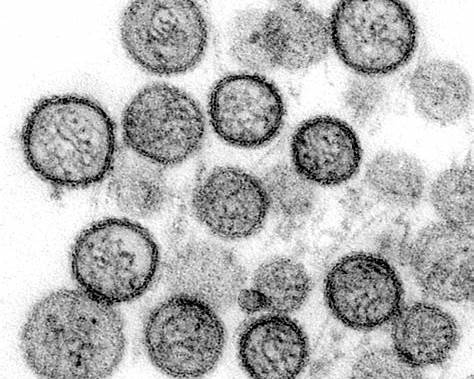
Hantavirus Explained: Symptoms, Cruise Ship Outbreak, and Global Concerns
A Rare Virus Sparks Global Alarm
A suspected hantavirus outbreak aboard a Netherlands-based expedition cruise ship has triggered international concern, raising urgent questions about a disease that is both rare and potentially deadly. The vessel, MV Hondius, carrying around 150–170 passengers and crew, became the center of attention after multiple fatalities and serious illnesses were reported during its Atlantic voyage.
Authorities confirmed that at least two passengers died, while a British national remains in critical condition in South Africa following infection. Additional reports indicate that three deaths and several suspected cases have been linked to the outbreak, with ongoing investigations by global health agencies.
As the ship remains anchored near Cape Verde, health officials are racing to understand how the virus spread—and what it means for global travel and public health.
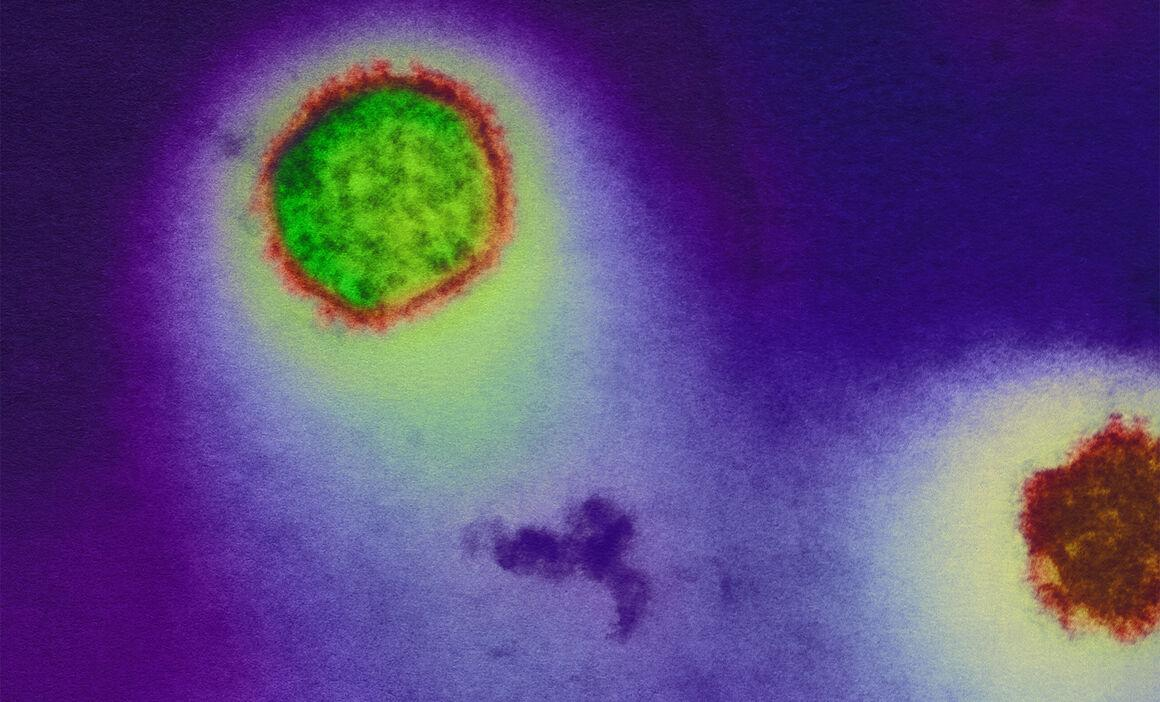
What Is Hantavirus?
Hantavirus is a group of viruses primarily transmitted to humans through contact with infected rodents. It is not a new disease; studies suggest it has existed for centuries, with outbreaks historically reported in Europe and Asia.
The virus gained wider recognition in the early 1990s when a cluster of severe respiratory illnesses in the southwestern United States was identified as hantavirus pulmonary syndrome (HPS). Since then, it has remained rare but closely monitored due to its high mortality rate.
How It Spreads
The primary mode of transmission is through:
- Inhalation of airborne particles contaminated with rodent urine, saliva, or droppings
- Direct contact with contaminated surfaces
- Rarely, human-to-human transmission (notably with the Andes virus strain)
People are most at risk when cleaning enclosed spaces such as cabins, sheds, or poorly ventilated areas where rodents may have been present.
Symptoms of Hantavirus: From Flu-Like Illness to Severe Respiratory Failure
One of the most challenging aspects of hantavirus infection is that its early symptoms resemble common illnesses like the flu.
Early Symptoms
- Fever and chills
- Fatigue
- Muscle aches
- Headaches and dizziness
- Nausea or abdominal discomfort
Advanced Symptoms
As the disease progresses, it can rapidly become life-threatening:
- Persistent coughing
- Shortness of breath
- Tightness in the chest due to fluid buildup in the lungs
This severe stage is known as hantavirus pulmonary syndrome (HPS), which can develop within one to eight weeks after exposure.
Fatality Rate
Hantavirus is rare but dangerous:
- Approximately 35%–38% of patients with respiratory symptoms may die
- Risk is higher in elderly or immunocompromised individuals
There is currently no specific cure, and treatment focuses on supportive care, including oxygen therapy and intensive monitoring.
The Cruise Ship Outbreak: What Happened?
Timeline and Route
The MV Hondius departed from Ushuaia in southern Argentina, traveling through Antarctica and Saint Helena before reaching Cape Verde.
During the voyage:
- Multiple passengers developed symptoms
- At least one laboratory-confirmed hantavirus case was identified
- Additional suspected cases are under investigation
- Three passengers died, including a 70-year-old man and his spouse
Current Situation
- The ship is anchored in Praia, Cape Verde
- Passengers are not allowed to disembark
- Two crew members require urgent medical care
- International coordination is underway for medical evacuation and repatriation
The World Health Organization (WHO) has emphasized that “detailed investigations are ongoing, including further laboratory testing and epidemiological investigations.”
Why This Outbreak Is Unusual
Experts have highlighted how rare—and puzzling—this situation is.
Hantavirus outbreaks are typically linked to land-based environments where rodent exposure is common. A cruise ship outbreak raises several possibilities:
- Rodent contamination onboard
The ship may have been exposed to infected rodent droppings or urine. - Infected passenger
A traveler may have contracted the virus earlier, possibly in South America, where certain strains are endemic. - Potential human-to-human transmission
Though extremely rare, this possibility could significantly change scientific understanding of the disease.
One medical expert noted that if human transmission is confirmed, it could “change the future of travel medicine and infectious disease.”
Cape Verde’s Response and International Coordination
Cape Verde authorities have taken precautionary measures:
- Denying passenger disembarkation
- Deploying medical teams to assess the situation
- Coordinating with international agencies
The WHO is facilitating:
- Medical evacuations
- Risk assessments
- Support for passengers and crew
Meanwhile, Dutch authorities are organizing the repatriation of affected individuals and remains, reflecting the global nature of the response.
Hantavirus in South Africa: A Regional Concern
The outbreak has drawn attention to South Africa after a British national was hospitalized in Johannesburg in critical condition.
Although hantavirus is not commonly reported in South Africa, the country’s involvement underscores how quickly infectious diseases can cross borders through international travel.
Health authorities are closely monitoring the situation to prevent further spread.
The Bigger Picture: Public Health and Travel Risks
This outbreak highlights broader concerns about infectious diseases in a highly connected world:
Key Implications
- Travel Medicine: Cruise ships and international routes can amplify rare diseases
- Disease Surveillance: Rapid detection and response are critical
- Public Awareness: Understanding symptoms can save lives
- Scientific Gaps: Many aspects of hantavirus remain poorly understood
Despite its rarity, hantavirus presents a serious threat due to its high fatality rate and lack of targeted treatment.
Conclusion: A Wake-Up Call for Global Health Systems
The hantavirus outbreak aboard the MV Hondius is more than an isolated incident—it is a reminder of how unpredictable infectious diseases can be. From its origins in rodent exposure to its unexpected appearance on a cruise ship near Cape Verde, the situation underscores the complexity of modern public health challenges.
With investigations still ongoing, the global health community is watching closely. Whether this outbreak remains a rare anomaly or signals a shift in how the virus spreads could shape future responses to emerging infectious threats.


