

Luis Enrique News: PSG Boss Sets the Tone for Arsenal Champions League Final Showdown
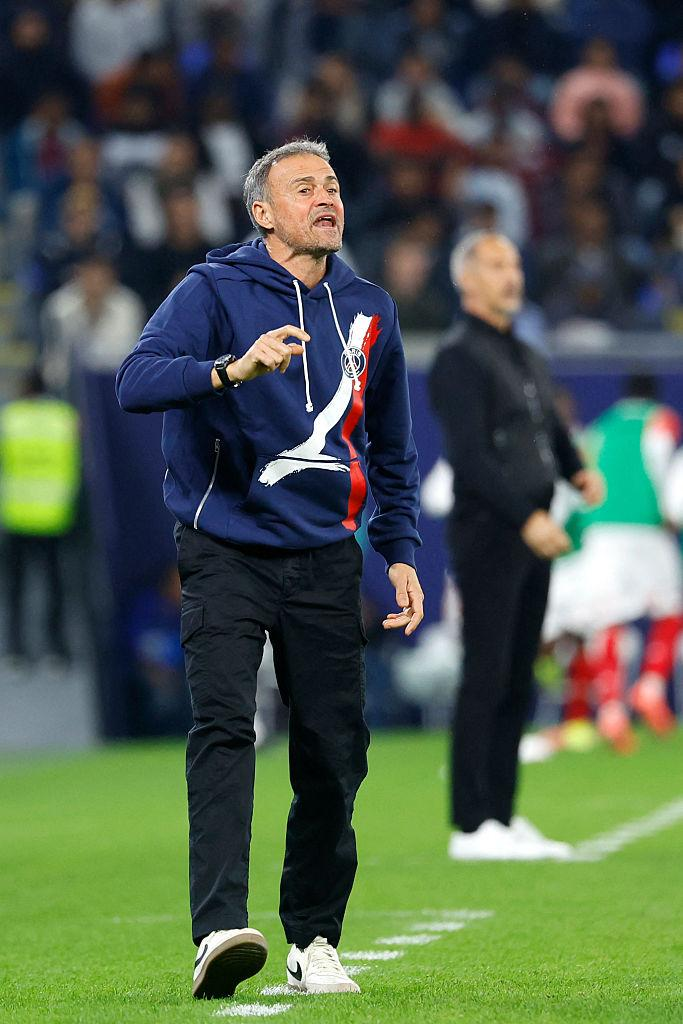
Luis Enrique is once again at the centre of European football’s biggest conversation. Paris Saint-Germain have reached a second consecutive Champions League final, and the Spanish coach has already framed the meeting with Arsenal as exactly what elite football should be: demanding, intense and shaped by conviction.
PSG booked their place in the final after edging Bayern Munich 6-5 on aggregate, sealing qualification with a 1-1 draw in Munich. Their reward is a May 30 showdown with Arsenal at the Puskas Arena in Budapest, a fixture loaded with tactical intrigue, personal history and wider significance for both clubs.
A Final Built Around Two Modern Coaching Ideas
The headline is simple: Luis Enrique versus Mikel Arteta. But beneath it sits a deeper football story.
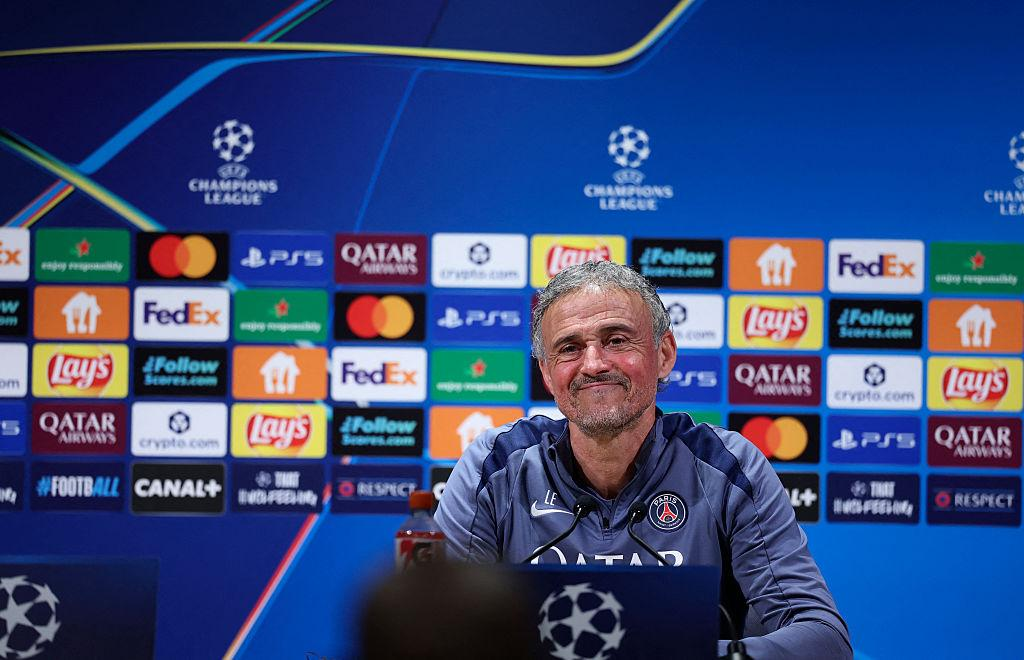
Enrique and Arteta share more than Spanish roots. Enrique made that personal connection clear when asked about facing the Arsenal manager, saying: “I appreciate Mikelito Arteta! We used to be team-mates when we were kids, he did a great job at Arsenal. It will be a difficult, hard game but we believe in our football style.”
That quote captures the tone of the coming final. There is respect, but no retreat. Enrique expects difficulty, yet he is not preparing PSG to compromise their identity. His emphasis remains on PSG’s “football style” — a phrase that matters because it reflects how far the club has moved under him.
PSG’s Route: Character Before Comfort
PSG’s semi-final against Bayern was not presented as a glamorous procession. Enrique described it as intense and testing, noting that the defensive side of the performance was stronger than the attack.
“Good memories. We could leave the match with a lot of intensity. The defence were better than the attack,” he said.
“The character we showed against a team like Bayern is so positive. We’re so happy to reach a second Champions League final in a row. It was very intense.”
For a club often judged by its attacking stars, that language is significant. Enrique is selling a PSG built not merely on talent but on resilience, pressing, collective discipline and emotional control under pressure.
He added: “Very difficult. They play football at the highest level. Both teams are similar, we love to press higher. We are very happy. In two days I’m going to celebrate my birthday. I’m very happy.”
The message is clear: PSG know Arsenal will not be passive opponents. Both sides are expected to press high, compete aggressively and try to impose themselves without waiting for the other to make the first move.
Why Arsenal Make This Final So Compelling
Arsenal’s presence gives the final a historic edge. It will be the club’s first Champions League final since 2006, when the Gunners lost 2-1 to Barcelona at the Stade de France after Sol Campbell had given them the lead.
This time, Arsenal may arrive in Budapest with even greater momentum, with the provided information noting that Arteta’s side could enter the final as Premier League champions. That possibility adds another layer to the contest: PSG are not simply facing a famous English club, but a team potentially arriving at the peak of its domestic cycle.
For Enrique, that raises the stakes. For Arteta, it is a chance to complete one of Arsenal’s most important modern campaigns.
Khvicha Kvaratskhelia Echoes Enrique’s Message
PSG forward Khvicha Kvaratskhelia also underlined the club’s focus after the Bayern tie. The Georgian has been a major part of PSG’s Champions League campaign, with 10 goals and six assists during the run.
“We respect all of the teams,” he said.
“For us, it’s important to play our game. We don’t really think about who is going to be our opponent, we just prepare our game and give everything on the pitch. It will be difficult – it’s the Champions League final – and we just have to go and enjoy it.”
That statement aligns closely with Enrique’s philosophy. The opponent matters, but PSG’s preparation begins with themselves: their pressing, their intensity, their structure and their willingness to run.
Beckham’s Insight Into Enrique’s PSG Project
One of the strongest pieces of context around Luis Enrique’s current reputation came from David Beckham, who offered insight into how the PSG coach rebuilt the team’s mentality and identity.
Speaking after PSG’s draw with Bayern, Beckham said he had spoken with PSG president Nasser Al-Khelaifi, who described Enrique’s extraordinary dedication.
“I spoke to the president of PSG Nasser Al-Khelaifi at PSG. He said in the first year, Luis Enrique virtually slept every night at the training facility,” Beckham revealed.
“He was working on how he wants the team to look, how he wants the team to play, who he wants, what the future looks like,” Beckham added.
Beckham also said the president had never seen work ethic quite like it from another coach: “He wants them all at the level par, all wanting the same thing. He’s bringing these young players through. He also wants players that are just going to run and not stop. And that’s what he’s got, that’s what he’s built.”
Those comments help explain why Enrique’s PSG now look less like a collection of stars and more like a team with a collective engine.
The Wider Luis Enrique Effect
Luis Enrique’s influence is now being used as a benchmark beyond France. In England, Wayne Rooney referenced both Luis Enrique and Thomas Tuchel while defending Michael Carrick’s case for the permanent Manchester United role.
Carrick, serving as interim Manchester United head coach, has overseen 10 wins from 14 Premier League matches and secured Champions League football for the club. Rooney argued that the response to those numbers would be different if they belonged to a bigger-name foreign coach.
“If you brought in a Luis Enrique or Thomas Tuchel and they won 10 of their first 14 games, you would say that’s incredible,” Rooney said.
“So, just because he’s a young, English manager, it means it’s not the right place to look in a lot of people’s eyes.”
The comparison shows Enrique’s current standing in European football. His name is now shorthand for elite-level coaching credibility — the kind of figure used to measure whether another manager is being fairly judged.
What the Final Could Decide
For PSG, the final offers more than another trophy opportunity. It is a test of whether Enrique’s project can sustain success across consecutive Champions League campaigns. Reaching back-to-back finals already suggests stability, but winning another major European showdown would strengthen the argument that PSG have entered a new era under his leadership.
For Arsenal, the match is a chance to rewrite club history. Their 2006 final defeat still stands as one of the defining near-misses of the modern Arsenal story. Returning to the final under Arteta gives them a new opportunity to claim the prize that has long escaped them.
For neutral supporters, the appeal is obvious: two ambitious, high-pressing teams led by managers with clear identities and personal respect for one another.
Conclusion: Enrique’s PSG Face Their Next Defining Test
Luis Enrique’s latest news cycle is not built on controversy or speculation. It is built on achievement, preparation and expectation. PSG have survived Bayern, returned to the Champions League final and now face an Arsenal side carrying its own historic ambition.
Enrique’s words were measured, but the meaning was unmistakable. He respects Arteta. He respects Arsenal. He expects a hard game. But PSG will not abandon the football that has taken them this far.
“We’re in the next phase of the competition, the final of the Champions League,” he said. “We want to give our supporters that kind of gift.”
That is the story now: one more match, one more test, and one more chance for Luis Enrique to underline his status as one of Europe’s defining modern coaches.


