

Amoeba Explained: The Invisible Organism Shaping Ecosystems and Global Health
Introduction: More Than a Microscopic Curiosity
At first glance, an amoeba appears to be nothing more than a shapeless blob under a microscope—a simple, single-celled organism drifting quietly in water or soil. But beneath that simplicity lies a complex and increasingly significant biological entity.
Amoebae are not just basic life forms studied in school laboratories; they are dynamic organisms that play vital ecological roles and, in some cases, pose serious risks to human health. Recent scientific findings have elevated amoebae—particularly free-living species—from obscure microorganisms to a topic of global concern.
What Is an Amoeba?
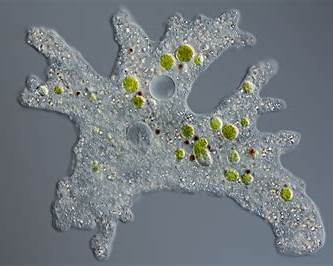
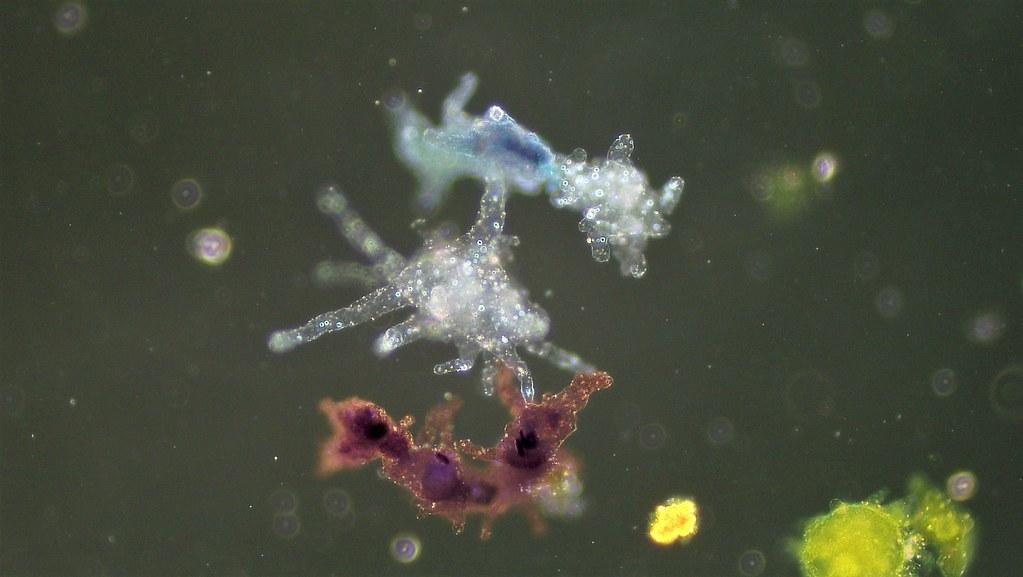
An amoeba is a unicellular (single-celled) organism belonging to a group of organisms known as protists. Unlike most organisms, it has no fixed shape and constantly changes its form as it moves and feeds.
Its movement is made possible through extensions of its cell body called pseudopodia—literally “false feet”—which allow it to crawl, capture food, and interact with its environment.
These organisms are eukaryotic, meaning their cells contain a nucleus and specialized structures. They are commonly found in freshwater, soil, and even man-made water systems.
While many amoebae are harmless and essential to ecosystems, some species have gained attention for their ability to cause disease.
The Hidden Diversity of Amoebae
Amoebae are incredibly diverse and widespread. Free-living amoebae, in particular, are found in a wide range of environments, including:
- Soil and dust
- Freshwater bodies such as lakes and rivers
- Artificial systems like water pipes and cooling towers
- Even air and human-associated environments
These organisms are described as “ubiquitous,” meaning they exist almost everywhere in nature.
Their adaptability allows them to survive extreme conditions, making them resilient inhabitants of both natural and human-made ecosystems.
A Vital Role in Nature
In ecological terms, amoebae are indispensable. They serve as microscopic predators, feeding on bacteria, algae, and other small organisms. This helps regulate microbial populations and maintain balance within ecosystems.
They also contribute to nutrient cycling by breaking down organic matter and releasing nutrients back into the environment. Without amoebae and similar microorganisms, many ecosystems would struggle to function efficiently.
When Amoebae Become Dangerous
Despite their ecological importance, certain amoebae can be harmful. A small number of species are capable of infecting humans and causing severe illness.
One of the most notorious examples is Naegleria fowleri, often referred to as the “brain-eating amoeba.” This organism can enter the human body when contaminated water travels through the nose, typically during swimming in warm freshwater. Once inside, it can migrate to the brain and cause a rapidly progressing infection that is almost always fatal.
This infection is known as Primary Amoebic Meningoencephalitis (PAM), a rare but devastating disease that affects the central nervous system.
Recent reports highlight the seriousness of the threat. In Kerala, India, 17 deaths were linked to this amoeba within just four months, alongside 96 confirmed cases early in 2026.
Globally, mortality rates for infections caused by Naegleria fowleri can reach around 99%, underscoring the severity of such infections.
Other species, such as Acanthamoeba, can cause eye infections (keratitis) and brain infections, particularly in individuals with weakened immune systems.
Why Amoebae Are Difficult to Control
One of the most concerning aspects of certain amoebae is their resilience.
Scientists have found that these organisms can survive conditions that would kill many other microbes. They can tolerate:
- High temperatures
- Strong disinfectants like chlorine
- Harsh environmental conditions
As one researcher explained:
“What makes these organisms particularly dangerous is their ability to survive conditions that kill many other microbes.”
This ability allows them to persist even in treated water systems, particularly in aging or poorly maintained infrastructure.
The “Trojan Horse” Effect
Amoebae present an additional layer of risk beyond their direct impact on human health.
They can act as protective hosts for other harmful microorganisms, including bacteria and viruses. Inside the amoeba, these pathogens are shielded from disinfectants—a phenomenon often described as a “Trojan horse effect.”
This means:
- Dangerous microbes can survive longer
- Water systems can become hidden reservoirs of infection
- Antibiotic resistance may increase over time
This role transforms amoebae from simple organisms into complex players in global health dynamics.
Climate Change and Expanding Risks
Climate change is amplifying the threat posed by amoebae.
Warmer temperatures create ideal conditions for many species to thrive. As global water temperatures rise, amoebae are expanding into regions where they were previously uncommon.
Recent outbreaks linked to recreational water activities suggest that the risk is no longer confined to isolated areas. Instead, it is becoming a broader, international concern.
Symptoms and Health Impacts
Infections caused by harmful amoebae can progress rapidly.
Early symptoms of PAM include:
- Headache
- Fever
- Nausea and vomiting
As the disease advances, more severe symptoms may appear:
- Stiff neck
- Confusion
- Loss of balance
- Seizures
- Hallucinations
- Coma
These symptoms reflect the infection’s impact on the brain and central nervous system, often leading to fatal outcomes if not treated promptly.
Prevention: Reducing the Risk
Given the high fatality rates associated with certain amoebic infections, prevention is critical.
Key protective measures include:
- Avoiding swimming in warm, stagnant freshwater without protection
- Using nose plugs during water activities
- Avoiding untreated tap water for nasal rinsing
- Using properly filtered or sterilized water
- Seeking medical attention if symptoms develop after water exposure
These steps can significantly reduce the risk of exposure and infection.
A Growing Global Concern
Scientists are increasingly calling for urgent action to address the rise of dangerous amoebae.
They recommend:
- Improved monitoring and surveillance systems
- Better diagnostic tools
- Advanced water treatment technologies
- A “One Health” approach that integrates human, environmental, and water management strategies
As one expert noted:
“Amoebae are not just a medical issue or an environmental issue… they sit at the intersection of both.”
Conclusion: Small Organism, Big Impact
Amoebae may be microscopic, but their influence is anything but small.
They are essential components of ecosystems, quietly maintaining balance in the natural world. At the same time, certain species represent a growing challenge for global health systems, especially in an era of climate change and aging infrastructure.
Understanding amoebae is no longer just an academic exercise—it is a public health priority. As research continues, one thing is clear: these tiny organisms will play an increasingly important role in shaping the future of environmental and human health.


