
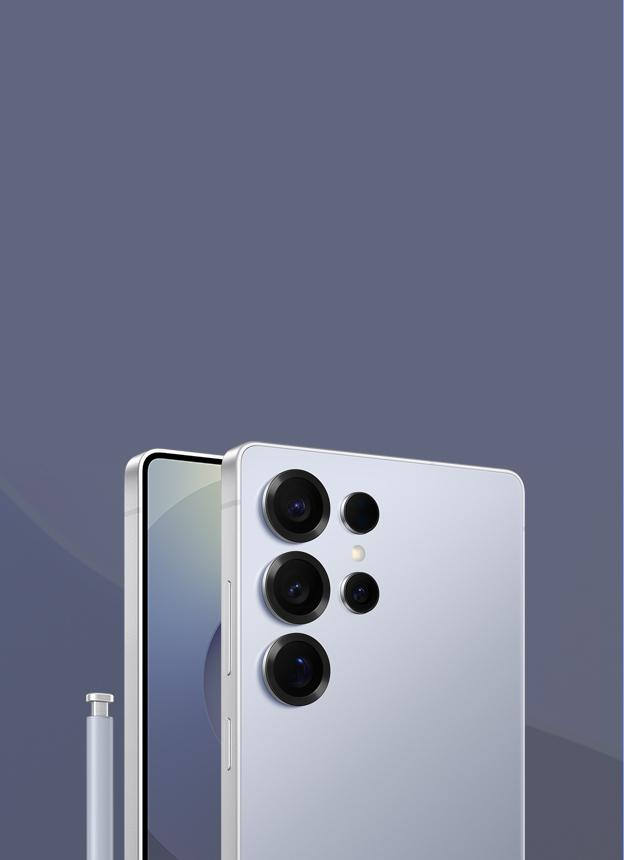
Samsung Galaxy S26 vs Galaxy S25: A Deep-Dive Comparison of Specs, Features and Upgrades
Introduction: Incremental Upgrade or Meaningful Leap?
Each year, Samsung refines its flagship Galaxy S series, often walking a fine line between incremental improvements and headline-grabbing innovation. With the arrival of the Samsung Galaxy S26, the question naturally arises: is it a significant upgrade over the Galaxy S25, or just a polished iteration?
This analytical feature breaks down every critical aspect—from performance and display to battery life and camera systems—to help you understand exactly what has changed, what remains the same, and whether upgrading makes practical sense.
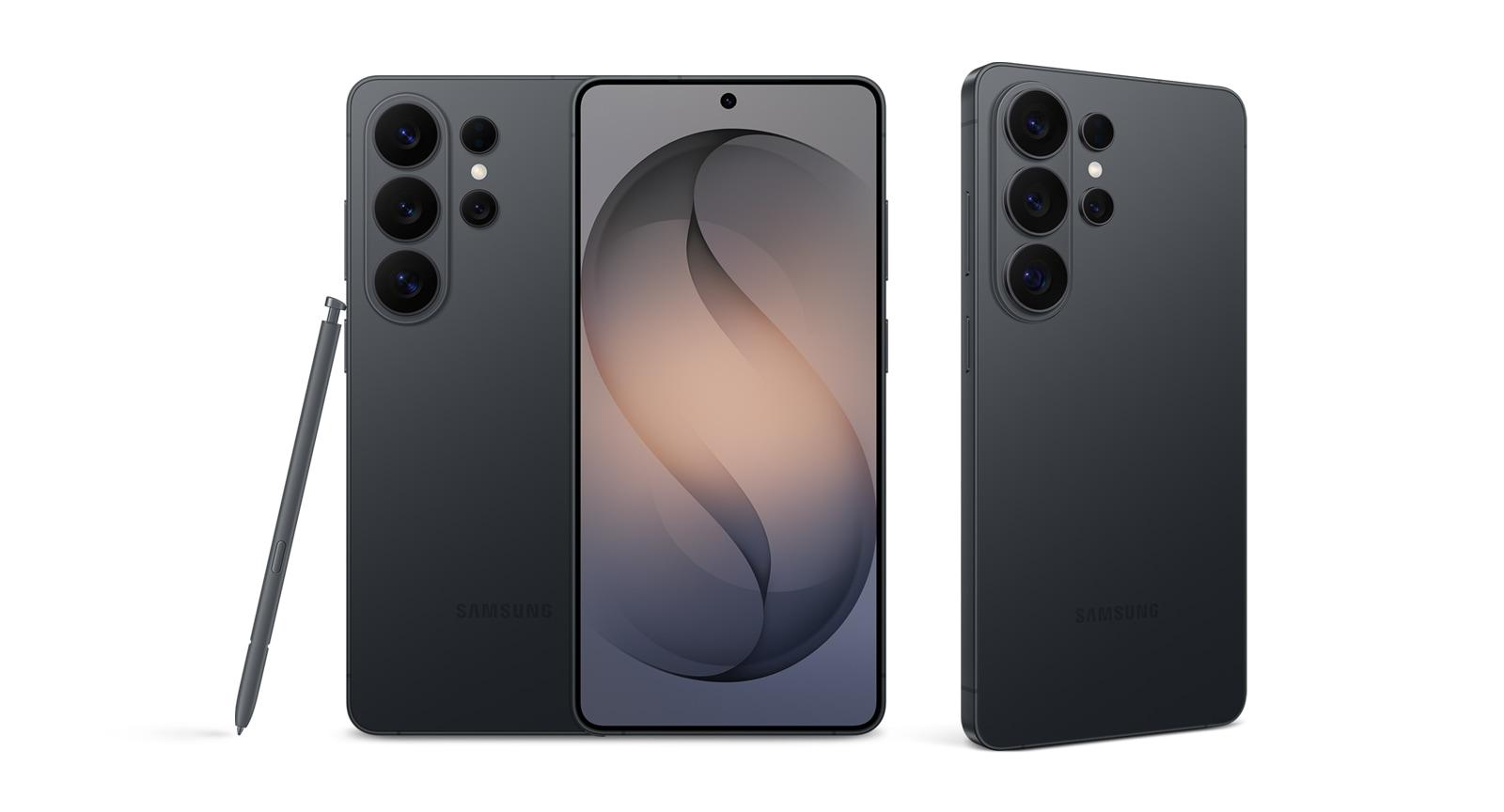
Release Timeline and Positioning
The generational gap between the two devices is relatively tight but meaningful:
- Galaxy S25: Announced January 22, 2025; released February 3, 2025
- Galaxy S26: Announced February 25, 2026; released March 6, 2026
Samsung has maintained its early-year flagship cycle, positioning the S26 as a direct successor with improvements aligned to newer silicon, software, and battery efficiency trends.
Design and Build: Subtle Refinement
At first glance, both devices look nearly identical—Samsung has clearly stuck to a proven design language.
Key differences:
- S25 dimensions: 146.9 × 70.5 × 7.2 mm
- S26 dimensions: 149.6 × 71.7 × 7.2 mm
- Weight increase: 162g → 167g
The S26 is slightly larger and heavier, likely due to internal hardware upgrades and a bigger battery. Both devices retain:
- Gorilla Glass Victus 2 (front and back)
- Aluminum frame (Armor Aluminum 2)
- IP68 water and dust resistance
Verdict:
Design evolution is minimal—this is refinement, not reinvention.
Display: Nearly Identical Visual Experience
Samsung continues to dominate in display technology, and both phones reflect that consistency.
Shared features:
- Dynamic LTPO AMOLED 2X
- 120Hz refresh rate
- HDR10+ support
- Peak brightness: 2600 nits
Differences:
- S25: 6.2-inch display (~416 ppi)
- S26: 6.3-inch display (~411 ppi)
The increase in size is modest, and resolution remains unchanged.
Verdict:
Visual experience remains top-tier on both devices. The S26 offers a slightly larger canvas but no dramatic display upgrade.
Performance: Where the S26 Pulls Ahead
This is where the most meaningful upgrade appears.
Chipset Evolution
- Galaxy S25: Snapdragon 8 Elite (3nm)
- Galaxy S26:
- Snapdragon 8 Elite Gen 5 (3nm) (US/CN)
- Exynos 2600 (2nm) (global)
CPU and GPU Improvements
The S26 introduces:
- Higher clock speeds
- New-generation CPU architecture
- Upgraded GPU (Adreno 840 vs Adreno 830)
Benchmark Gains
- AnTuTu: ~2.19M → up to ~3.06M
- GeekBench: 10,050 → 10,824
- 3DMark: 6,755 → 7,230
Verdict:
The S26 delivers a noticeable performance boost, especially in graphics and sustained workloads. This is one of the clearest reasons to upgrade.
Software and Longevity
Software is another area of progression:
- Galaxy S25: Android 15, One UI 8
- Galaxy S26: Android 16, One UI 8.5
Both offer up to 7 major Android upgrades, ensuring long-term support.
Verdict:
The S26 gains an edge with a newer OS and refinements, but both devices remain future-proof.
Camera System: Same Hardware, Smarter Features
Rear Cameras (Identical Hardware)
- 50 MP main sensor
- 10 MP telephoto (3x optical zoom)
- 12 MP ultrawide
New Software Features on S26
- Addition of Horizon Lock
- Enhanced computational photography processing
Video capabilities remain unchanged:
- 8K at 24/30fps
- 4K up to 60fps
Verdict:
No hardware upgrade, but software enhancements may improve real-world results slightly.
Battery Life: A Quiet but Important Upgrade
Battery is one of the most practical improvements.
- S25: 4000 mAh
- S26: 4300 mAh
Real-World Usage Gains
- Active use score: 13:09h → 15:20h
- Endurance rating: 37:16h → 51:00h
Charging remains the same:
- 25W wired
- 15W wireless
- Reverse wireless charging
Verdict:
Battery life is significantly improved—this is one of the most user-impacting upgrades.
Connectivity and Features
Both devices offer identical connectivity stacks:
- 5G support
- Wi-Fi 7
- Bluetooth 5.4
- Samsung DeX support
No major changes here.
Storage and Pricing
Storage Options
Both models offer:
- 128GB / 256GB / 512GB
- 12GB RAM standard
Pricing Difference
- Galaxy S25: ~$348
- Galaxy S26: ~$740
The S26 launches at a significantly higher price point.
Verdict:
You’re paying a premium for performance and battery improvements rather than radical new features.
Key Differences at a Glance
| Feature | Galaxy S25 | Galaxy S26 |
|---|---|---|
| Chipset | Snapdragon 8 Elite | Gen 5 / Exynos 2600 |
| Display | 6.2” | 6.3” |
| Battery | 4000 mAh | 4300 mAh |
| OS | Android 15 | Android 16 |
| Camera | Same hardware | Added Horizon Lock |
| Performance | Strong | Significantly improved |
| Price | Lower | Much higher |
Should You Upgrade?
Upgrade Makes Sense If:
- You want better battery life
- You need top-tier performance for gaming or multitasking
- You value latest software and longevity
Stick With S25 If:
- Your device is still performing well
- You don’t need incremental improvements
- You want better value for money
Conclusion: Evolution, Not Revolution
The Samsung Galaxy S26 is not a radical redesign—but it doesn’t need to be. Instead, it focuses on refining the essentials: performance, efficiency, and battery life.
While the camera hardware and display remain largely unchanged, the improvements in processing power and endurance make the S26 a stronger all-around device. However, for existing S25 users, the upgrade decision ultimately comes down to whether those gains justify the significantly higher price.


