
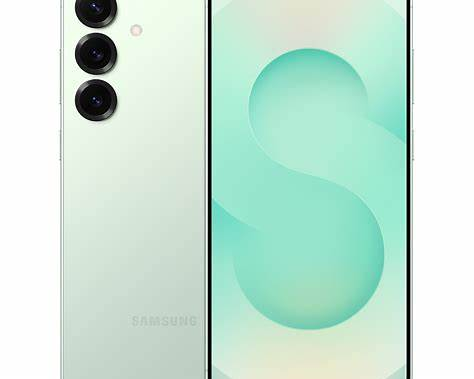
Samsung Galaxy S26 Plus vs Galaxy S25 Plus: What’s New and What’s Improved
A Practical Buyer’s Guide to Samsung’s Latest Flagship Upgrade
Samsung’s Galaxy S series has long followed a predictable pattern: iterative improvements, subtle refinements, and occasional standout upgrades. With the release of the Galaxy S26 Plus, many buyers are now asking a critical question—is it worth upgrading from the Galaxy S25 Plus, or is last year’s model still the smarter buy?
On paper, the differences appear modest. But beneath the surface, Samsung has introduced changes that affect performance, efficiency, and day-to-day usability. This guide breaks down what actually matters, helping you make a well-informed decision.
Design: Familiar Form, Slightly Different Feel
At first glance, the Galaxy S26 Plus and Galaxy S25 Plus are nearly indistinguishable. Both devices share:
- Identical dimensions: 158.4 x 75.8 x 7.3 mm
- Weight: 190g
- Materials: Armor aluminum frame and Gorilla Glass Victus 2
- IP68 water and dust resistance
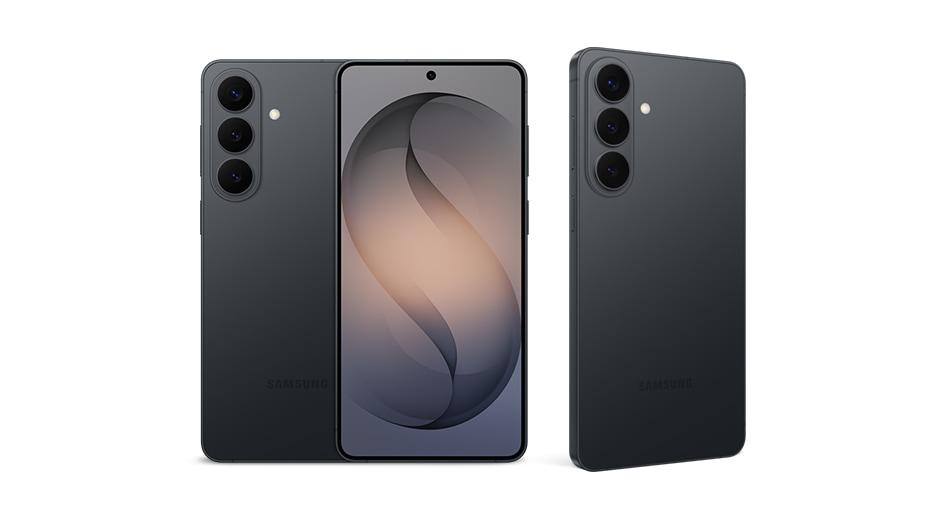
In practical terms, this means durability and ergonomics remain unchanged. However, Samsung has tweaked the camera module design on the S26 Plus. While visually updated, it introduces a small drawback—the phone tends to wobble on flat surfaces, something the S25 Plus handles better.
The newer model also introduces more muted, “serious” color options, signaling a subtle shift toward a more refined aesthetic.
Verdict: No major upgrade here—this is continuity, not reinvention.
Display: Essentially Identical Experience
Samsung has opted not to reinvent the display—and that’s not necessarily a bad thing.
Both models feature:
- 6.7-inch LTPO OLED panels
- 120Hz adaptive refresh rate
- 1440 x 3120 resolution
- Brightness exceeding 1,400 nits
The S26 Plus shows a marginal improvement in peak brightness, but in real-world use, the difference is negligible.
Verdict: A tie. If you loved the S25 Plus display, the S26 Plus won’t change your mind—it just maintains that standard.
Performance: The Most Meaningful Upgrade
This is where the S26 Plus begins to justify its existence.
Samsung has returned to a dual-chip strategy:
- Snapdragon 8 Elite Gen 5 (US, China, Japan)
- Exynos 2600 (2nm process) (Europe and other regions)
By comparison, the Galaxy S25 Plus used only the Snapdragon 8 Elite (3nm) globally.
Benchmark Gains
- AnTuTu: ~15% improvement
- Geekbench (CPU): ~13% boost
- 3DMark (GPU): ~13% increase
The Exynos 2600’s 2nm architecture and AMD-designed GPU give it a clear edge, especially in sustained performance—good news for gamers and power users.
Verdict: A real upgrade. If performance matters to you, the S26 Plus delivers measurable gains.
Battery Life: Efficiency Takes the Lead
Both phones pack the same 4,900mAh battery, yet the S26 Plus manages better endurance.
- Improved results in web browsing and video streaming
- Higher overall Active Use Score
The gains likely stem from:
- More efficient chipset
- Software optimizations in newer One UI
However, the S25 Plus still performs slightly better in 4G calling scenarios.
Charging remains unchanged:
- 45W fast charging
- Nearly identical charging times
Verdict: The S26 Plus wins, but not dramatically—it’s an incremental efficiency upgrade.
Camera System: Subtle Refinements, Not a Revolution
Samsung has taken a conservative approach to camera upgrades.
What’s New?
- Updated 50MP main sensor (Isocell GNG)
- New telephoto sensor variant
- Wider 23mm selfie lens (vs 25–26mm previously)
Real-World Performance
- Daylight photos: Slightly sharper with more saturated colors on S26 Plus
- Zoom shots: Minimal differences
- Low-light: Marginal improvements, but inconsistent
- Selfies: Noticeably better on S26 Plus (wider and sharper)
Video capabilities remain largely identical:
- 4K60 across cameras
- 8K30 on main sensor
New additions include:
- Horizon lock stabilization
- LUT support for Log video recording
Still, these are niche features rather than game-changers.
Verdict: Incremental improvements. Casual users won’t notice much difference.
Audio and Multimedia: Small but Noticeable Tweaks
The S25 Plus delivers slightly louder speakers, but the S26 Plus counters with:
- Better tuning
- Warmer and deeper sound profile
The difference is subtle but appreciated during extended media consumption.
Verdict: Preference-based, but the S26 Plus edges ahead in sound quality.
Pricing and Value: The Deciding Factor
Pricing varies significantly by region:
- S26 Plus: Around $1,100 (official), ~$850 (third-party retailers)
- S25 Plus: Around $1,000 official, often cheaper via resellers
In Europe, the price gap is typically €100–200.
What You’re Paying For in the S26 Plus
- Better performance
- Improved efficiency
- Slight camera and audio refinements
What You Save with the S25 Plus
- Nearly identical user experience
- Lower cost
Verdict: The S25 Plus remains a strong value proposition, especially if priced competitively.
Final Verdict: Upgrade or Save?
The Galaxy S26 Plus is a refined evolution, not a radical leap forward.
Choose the Galaxy S26 Plus if you want:
- The latest performance gains
- Better battery efficiency
- Improved selfie camera
- Enhanced video features
Choose the Galaxy S25 Plus if you want:
- Better value for money
- A nearly identical daily experience
- Proven reliability at a lower cost
Bottom Line
Samsung’s 2026 upgrade strategy is conservative. The Galaxy S26 Plus improves where it matters most—performance and efficiency—but stops short of delivering a compelling reason for most users to upgrade.
For new buyers, the decision hinges on pricing. For existing S25 Plus users, the upgrade is optional, not essential.


