

Apple iPhone 18 Series: Everything We Know So Far
A Future Outlook on Apple’s Next Flagship Revolution
Apple’s iPhone roadmap has always been a carefully choreographed evolution of design, performance, and ecosystem integration. While the iPhone 18 series remains months away from its official unveiling, early leaks, analyst predictions, and industry chatter are already painting a compelling picture of what could be one of Apple’s most strategically significant releases yet.
From aggressive pricing strategies to next-generation silicon and deeper AI integration, the iPhone 18 lineup—particularly the Pro and Pro Max models—appears poised to intensify competition at the very top of the global smartphone market.
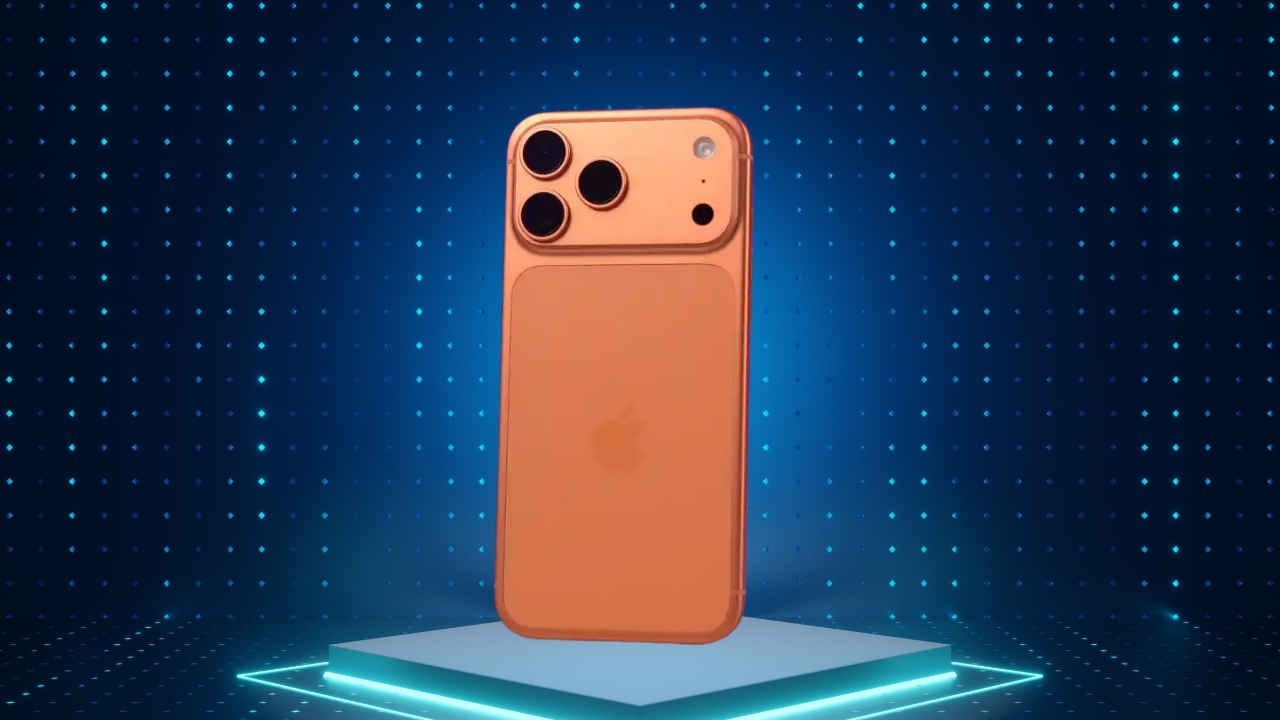
Strategic Pricing: Apple’s Subtle Power Move
One of the most notable developments surrounding the iPhone 18 Pro and iPhone 18 Pro Max is Apple’s potential pricing strategy. Despite rising component costs—especially for memory and storage driven by increasing AI demands—the company is reportedly considering maintaining prices close to the previous generation.
In India, the iPhone 17 Pro debuted at Rs. 1,34,900 for the 256GB model, while the Pro Max variant launched at Rs. 1,49,900. Analysts suggest that Apple could retain similar pricing for the iPhone 18 series, or introduce only slight increases.
This approach would be significant in a market where competitors are steadily pushing premium prices higher. For context:
- Samsung Galaxy S26 Ultra: Rs 1,39,999
- Vivo X300 Ultra (expected): ~Rs 1,30,000
- Oppo Find X9 Ultra (expected): ~Rs 1,30,000
By holding the line on pricing, Apple could exert direct pressure on Android manufacturers, reinforcing its value proposition in the ultra-premium segment without appearing prohibitively expensive.
Next-Gen Performance: The 2nm A20 Pro Chip
At the heart of the iPhone 18 Pro models is expected to be Apple’s new A20 Pro chip, reportedly built on a cutting-edge 2nm process.
This shift represents a major leap in semiconductor technology, promising:
- Improved performance-per-watt efficiency
- Enhanced AI and machine learning capabilities
- Better thermal management
The chip is also expected to be paired with up to 12GB of RAM, a notable increase aimed at supporting more advanced AI workloads and multitasking scenarios.
This signals Apple’s growing emphasis on on-device AI—an area where competition is intensifying rapidly across the industry.
Apple’s In-House Connectivity: The C2 5G Modem
Another major development is the anticipated introduction of Apple’s in-house C2 5G modem.
If realized, this would further reduce Apple’s reliance on third-party suppliers, giving the company greater control over:
- Network optimization
- Power efficiency
- Integration with iOS features
This move aligns with Apple’s long-term strategy of vertical integration, similar to its transition from Intel processors to Apple Silicon in Macs.
Camera Innovations: Smarter Photography
Camera improvements remain central to Apple’s flagship upgrades, and the iPhone 18 series is expected to introduce a notable advancement: a variable aperture system on a 48MP sensor.
This feature would allow users—and the system—to dynamically adjust how much light enters the lens, improving:
- Low-light performance
- Depth-of-field control
- Overall image clarity
Such a feature would bring smartphone photography closer to professional camera systems, giving Apple a competitive edge in computational photography.
Design Refinements: Smaller Dynamic Island and Bigger Batteries
While Apple is unlikely to radically redesign the iPhone 18, subtle refinements are expected to enhance usability and aesthetics.
Key rumored changes include:
- A smaller Dynamic Island, freeing up more screen space
- Larger batteries, addressing long-standing user demand for extended battery life
- Minor design tweaks for improved ergonomics
These incremental upgrades reflect Apple’s typical design philosophy—evolution rather than abrupt transformation.
The Bigger Picture: AI Driving the Smartphone Industry
One of the underlying themes shaping the iPhone 18 series is the growing influence of artificial intelligence.
Rising demand for AI capabilities is already impacting component pricing globally, particularly for memory and storage.
Apple’s response appears to be twofold:
- Invest heavily in hardware capable of handling AI workloads locally
- Optimize software to leverage these capabilities efficiently
The expected combination of the A20 Pro chip, increased RAM, and Apple’s ecosystem integration suggests that AI features could play a defining role in the user experience.
Competition Heats Up: The Premium Battle Intensifies
The iPhone 18 series will not exist in a vacuum. It will launch into a fiercely competitive landscape dominated by:
- Samsung’s Galaxy Ultra lineup
- Vivo and Oppo’s high-end camera-focused devices
- Emerging foldable innovations
At the same time, Apple is reportedly preparing a foldable iPhone, possibly launching alongside or near the iPhone 18 series. This device is expected to feature advanced display technologies designed to eliminate the crease—a long-standing issue in foldable phones.
If Apple succeeds, it could redefine expectations not just for traditional smartphones, but for the entire category.
What Comes Next?
Although Apple has not officially confirmed any details about the iPhone 18 lineup, the emerging picture is clear: this generation is shaping up to be a strategic upgrade focused on performance, AI, and market positioning rather than radical redesign.
Consumers can expect:
- Stronger AI-driven capabilities
- Improved battery life and camera systems
- Competitive pricing in the premium segment
For Apple, the stakes are high. Maintaining leadership in the premium smartphone market requires not just innovation, but precision—balancing cost, performance, and user experience.
Conclusion: A Calculated Leap Forward
The Apple iPhone 18 series is not just another annual upgrade—it represents a calculated step toward the future of smartphones.
By combining next-generation silicon, deeper AI integration, and a carefully managed pricing strategy, Apple appears to be positioning the iPhone 18 as both a technological and strategic milestone.
If the current leaks and predictions hold true, the iPhone 18 Pro and Pro Max could redefine what users expect from a premium smartphone—not through flashy changes, but through meaningful, performance-driven innovation.


