

Apple’s Bold Pricing Gamble: Why the iPhone 18 Pro Could Defy Industry Trends
A Surprising Strategy in a Rising-Cost Era
In an industry where smartphone prices are steadily climbing, Apple may be preparing to take a contrarian path. Early reports suggest that the upcoming iPhone 18 Pro and iPhone 18 Pro Max could arrive with what analysts describe as an “aggressive pricing” strategy—one that prioritizes stability over escalation.
At a time when manufacturers across the Android ecosystem are raising prices due to increasing component costs, Apple’s potential move stands out. Rather than passing these costs directly to consumers, the company appears to be exploring ways to maintain its flagship pricing at familiar levels.
This approach could reshape expectations not only for Apple’s next-generation devices but also for the broader premium smartphone market.
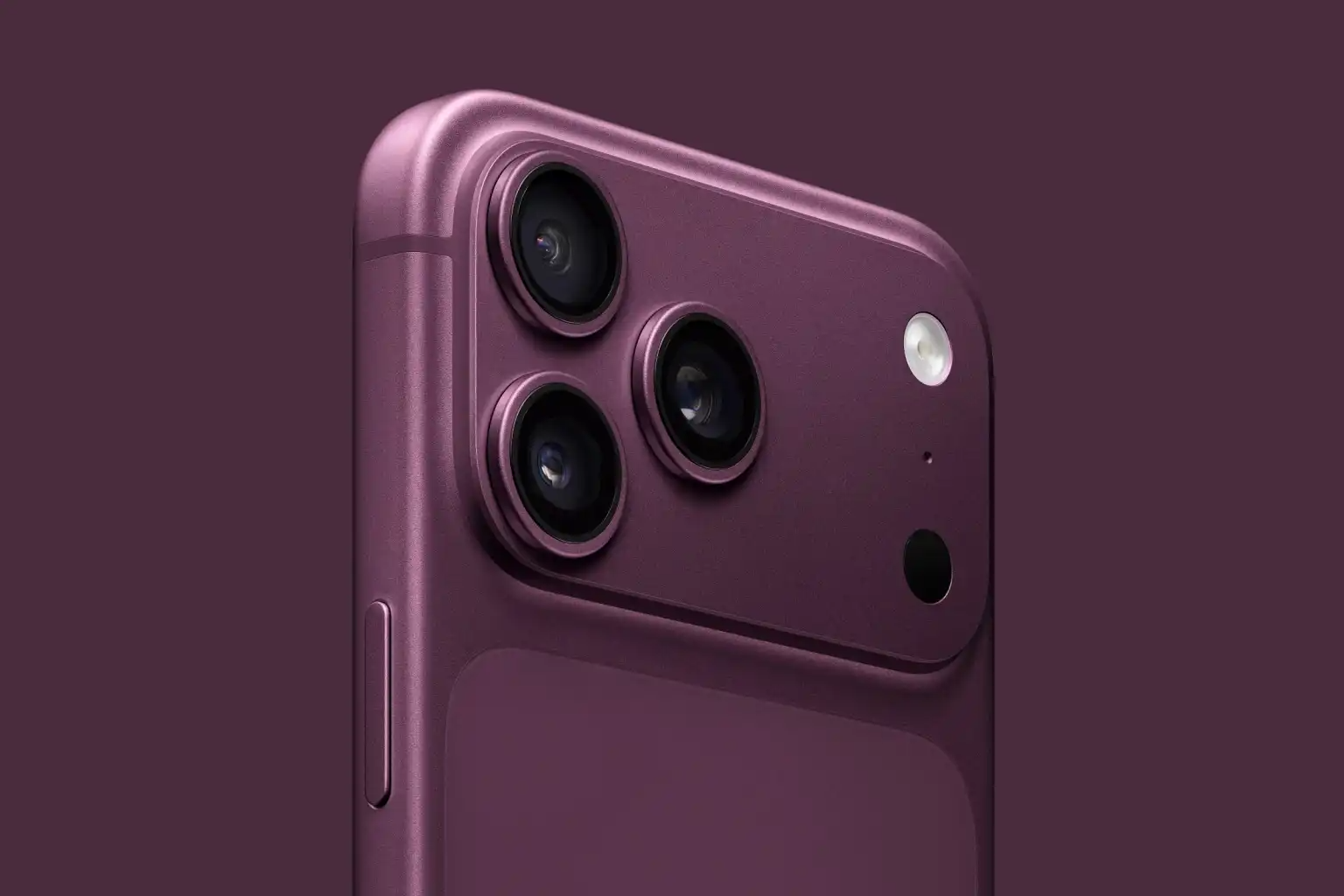
Holding the Line: Base Prices May Remain Unchanged
According to analyst Jeff Pu, Apple is expected to keep the starting prices of its Pro models consistent with the previous generation. If accurate, this would place:
- iPhone 18 Pro at around $1,099 (~Rs 1,04,315)
- iPhone 18 Pro Max at around $1,199 (~Rs 1,13,800)
These figures align with earlier insights from respected analyst Ming-Chi Kuo, who also indicated that Apple is likely to maintain pricing consistency for its base variants.
This is particularly notable given the broader industry context. Rising costs for key components—especially memory and storage—have pushed many manufacturers to increase prices or scale back offerings altogether.
Apple, however, appears determined to shield consumers from these pressures, at least at the entry level of its premium lineup.
The Economics Behind “Aggressive Pricing”
Maintaining prices in a cost-inflation environment is not simply a gesture of goodwill—it’s a calculated business decision.
The strategy likely hinges on a shift in pricing structure rather than a reduction in margins. Specifically, Apple may:
- Keep base models (128GB/256GB) at familiar price points
- Increase prices for higher storage variants (512GB/1TB)
- Offset rising component costs through premium configurations
This tiered pricing model allows Apple to preserve its headline pricing while still capturing additional revenue from power users who opt for larger storage capacities.
In essence, the company is redistributing cost pressure rather than eliminating it.
A Market Under Pressure
The timing of this strategy is critical. The global smartphone market is currently navigating several challenges:
- Rising RAM and storage costs driven by AI and data-intensive applications
- Supply chain constraints affecting production and pricing
- Shrinking margins for mid-range and even some flagship devices
Many Android manufacturers have already responded by raising prices or reconsidering certain product lines. In some cases, budget models are becoming less viable due to declining profitability.
Against this backdrop, Apple’s approach could serve as a competitive differentiator—keeping its entry pricing attractive while rivals move upward.
The Role of the iPhone Ultra
Another important piece of the puzzle is Apple’s anticipated introduction of an iPhone Ultra model.
Expected to sit above the Pro Max in both features and price, the Ultra could serve as:
- A premium halo product targeting high-end buyers
- A margin buffer allowing Apple to maintain lower entry prices
- A way to segment the market more effectively
By expanding its lineup upward, Apple gains more flexibility in how it positions its Pro models. The Ultra absorbs the highest-end demand, freeing the Pro series to focus on broader appeal.
Strategic Implications: Market Share vs. Margins
Apple’s potential pricing strategy reflects a delicate balancing act between:
- Maintaining profit margins
- Expanding market share
- Preserving brand perception
Keeping entry prices stable could:
- Attract more first-time premium buyers
- Encourage upgrades from older iPhone models
- Strengthen Apple’s position against Android competitors
At the same time, higher-tier pricing ensures that the company does not compromise its overall profitability.
This dual approach—accessible entry pricing with premium upsell options—has long been a cornerstone of Apple’s business model, and the iPhone 18 Pro lineup may refine it further.
What This Means for Consumers
For buyers, the implications are significant:
- More predictable pricing at the flagship level
- Greater incentive to choose Apple over rising-cost alternatives
- Potentially higher costs for those seeking top-tier storage
In practical terms, the strategy rewards entry-level premium buyers while subtly increasing costs for power users.
Looking Ahead: A Defining Moment for Flagship Pricing
If Apple successfully implements this “aggressive pricing” strategy, it could set a new precedent for the industry.
Rather than following the trend of escalating flagship prices, the company may demonstrate that:
- Strategic pricing can drive growth even in high-cost environments
- Product segmentation can absorb financial pressures
- Consumer perception of value remains a critical competitive factor
The iPhone 18 Pro series, therefore, is shaping up to be more than just a hardware upgrade—it may represent a pivotal moment in how flagship smartphones are priced and positioned.
Conclusion
Apple’s rumored pricing strategy for the iPhone 18 Pro models signals a calculated shift in how the company navigates rising production costs and competitive pressures. By holding base prices steady while adjusting higher-tier options, Apple appears poised to strike a balance between accessibility and profitability.
In a market where most brands are pushing prices upward, this move could redefine expectations—and potentially give Apple a decisive edge in the next phase of the smartphone race.


