
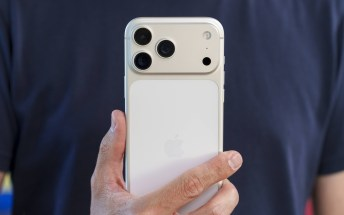
Should You Wait for iPhone 18 Pro or Buy iPhone 17 Now?
A Practical Buyer’s Guide for 2026
Choosing when to upgrade your smartphone has become increasingly complex, especially with Apple’s predictable yet evolving product cycle. In 2026, one of the most pressing questions among iPhone users is whether to buy the iPhone 17 now or wait for the upcoming iPhone 18 Pro.
The answer isn’t universal—it depends on timing, usage patterns, and how much value you place on incremental innovation versus immediate performance. This guide breaks down the decision in a clear, structured way, helping you determine which option aligns best with your needs.
The Current Reality: iPhone 17 Is Already a Mature Flagship
The iPhone 17 Pro Max represents Apple’s current-generation flagship, offering a refined and reliable experience. It includes:
- A powerful A19 Pro chip
- A large 6.9-inch ProMotion display
- A 48MP Pro camera system with telephoto capabilities
- Strong battery life and improved thermal performance
In short, it’s a complete, stable, and well-optimized device built on years of iteration.
For most users, this means you’re not compromising on performance, photography, or daily usability if you choose to buy now.
What’s Coming: iPhone 18 Pro Expectations
While Apple has not officially confirmed the iPhone 18 Pro, early industry reports point to a refinement-focused upgrade rather than a radical redesign.
Key Expected Upgrades
1. A20 Pro Chip (2nm-class process)
The biggest anticipated improvement is efficiency. The new chip may deliver:
- Better sustained performance
- Lower heat generation
- More stable battery behavior during heavy tasks
2. Camera Enhancements
Rumors suggest:
- A variable aperture main camera
- Improved low-light performance
- Better image processing and dynamic range
3. Battery and Thermal Improvements
- Estimated 5,100–5,200 mAh battery
- Enhanced thermal management
- More consistent performance during gaming, navigation, or charging
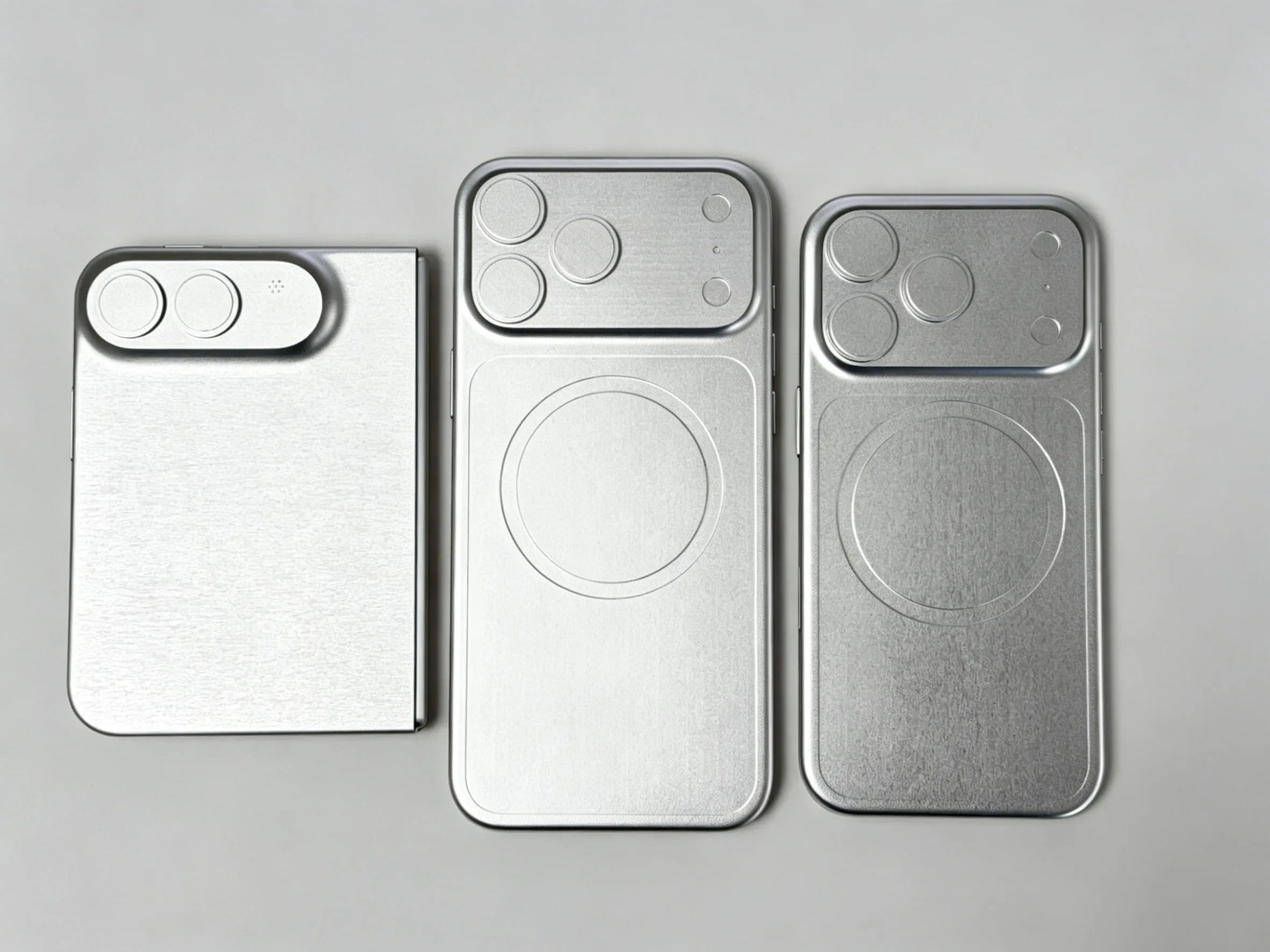
4. Subtle Design Refinements
- Possible smaller Dynamic Island
- Slight structural adjustments
- No major visual overhaul expected
In essence, the iPhone 18 Pro is shaping up as a performance and efficiency upgrade rather than a design revolution.
Timing Matters: When Would You Get the iPhone 18 Pro?
Based on Apple’s historical release cycle, the iPhone 18 Pro is expected around September 2026.
That creates a straightforward decision window:
- Buy now: Immediate upgrade with proven hardware
- Wait: Delay of several months for incremental improvements
If your current device is failing, waiting may not be practical.
Side-by-Side Thinking: Immediate Value vs Future Potential
Buy iPhone 17 Now If:
- You need a phone immediately
- Your current device is slow, damaged, or unreliable
- You prioritize stability and proven performance
- You want better pricing as newer models approach
- You don’t rely heavily on cutting-edge features
The iPhone 17 remains a “safe flagship”—a device that delivers consistently across all use cases.
Wait for iPhone 18 Pro If:
- You plan to keep your phone for several years
- You frequently use your device for:
- Gaming
- 4K video recording
- Editing or AI-related tasks
- You care about long-term battery stability and efficiency
- You want the latest hardware improvements
For power users, the efficiency gains from the A20 Pro chip could be meaningful over time.
The Performance Reality: Incremental vs Transformational
One of the most important insights is this:
The iPhone 18 Pro is not expected to dramatically change everyday usage.
Instead of making apps instantly faster or introducing entirely new capabilities, the improvements are likely to be felt in:
- Reduced heat during long sessions
- Better sustained performance
- More stable battery behavior
This makes the upgrade more valuable for heavy users than casual ones.
Pricing Strategy: What to Expect
Pricing for the iPhone 18 Pro remains unconfirmed, but current expectations suggest:
- Base model pricing may stay close to the iPhone 17 range
- Higher storage tiers could become more expensive
At the same time, the iPhone 17 may become a better value purchase as newer models approach.
This creates a classic trade-off:
- Newer tech = higher cost
- Older flagship = better value
Camera Considerations: A Key Decision Factor
For many buyers, the camera is decisive.
- iPhone 17: Already delivers a strong, versatile Pro camera system
- iPhone 18 Pro: May introduce variable aperture, offering more creative control
If you’re a photographer or content creator, waiting could bring meaningful benefits.
For everyday photography, however, the difference may be subtle.
Long-Term Value vs Immediate Satisfaction
This decision ultimately comes down to how you define value.
Immediate Satisfaction
Buying now gives you:
- Instant usability
- Proven reliability
- No uncertainty
Long-Term Value
Waiting offers:
- Better efficiency over time
- Potentially longer usable lifespan
- Access to the latest hardware
Neither is inherently better—it depends on your priorities.
Final Verdict: Which Should You Choose?
The iPhone 18 Pro is expected to refine Apple’s flagship formula with improvements in efficiency, battery stability, and camera flexibility. But it is unlikely to redefine the smartphone experience.
Meanwhile, the iPhone 17 already delivers a premium, fully mature experience that satisfies the needs of most users today.
The decision is simple:
- If your current phone is holding you back → Buy iPhone 17 now
- If your device still works well and you want longevity → Wait for iPhone 18 Pro
In practical terms, most users won’t regret buying the iPhone 17. But power users and long-term planners may benefit from waiting.


