


Oath Keepers: Power, Politics, and the Battle Over Accountability
A Defining Legal Shift in a Polarized Era
In April 2026, the debate surrounding the Oath Keepers reached a critical turning point. The U.S. Department of Justice formally asked a federal appeals court to erase some of the most serious criminal convictions tied to the January 6, 2021 attack on the U.S. Capitol. The move—targeting seditious conspiracy convictions against members of the Oath Keepers and allied groups—has reignited a broader national conversation about justice, accountability, and political power.
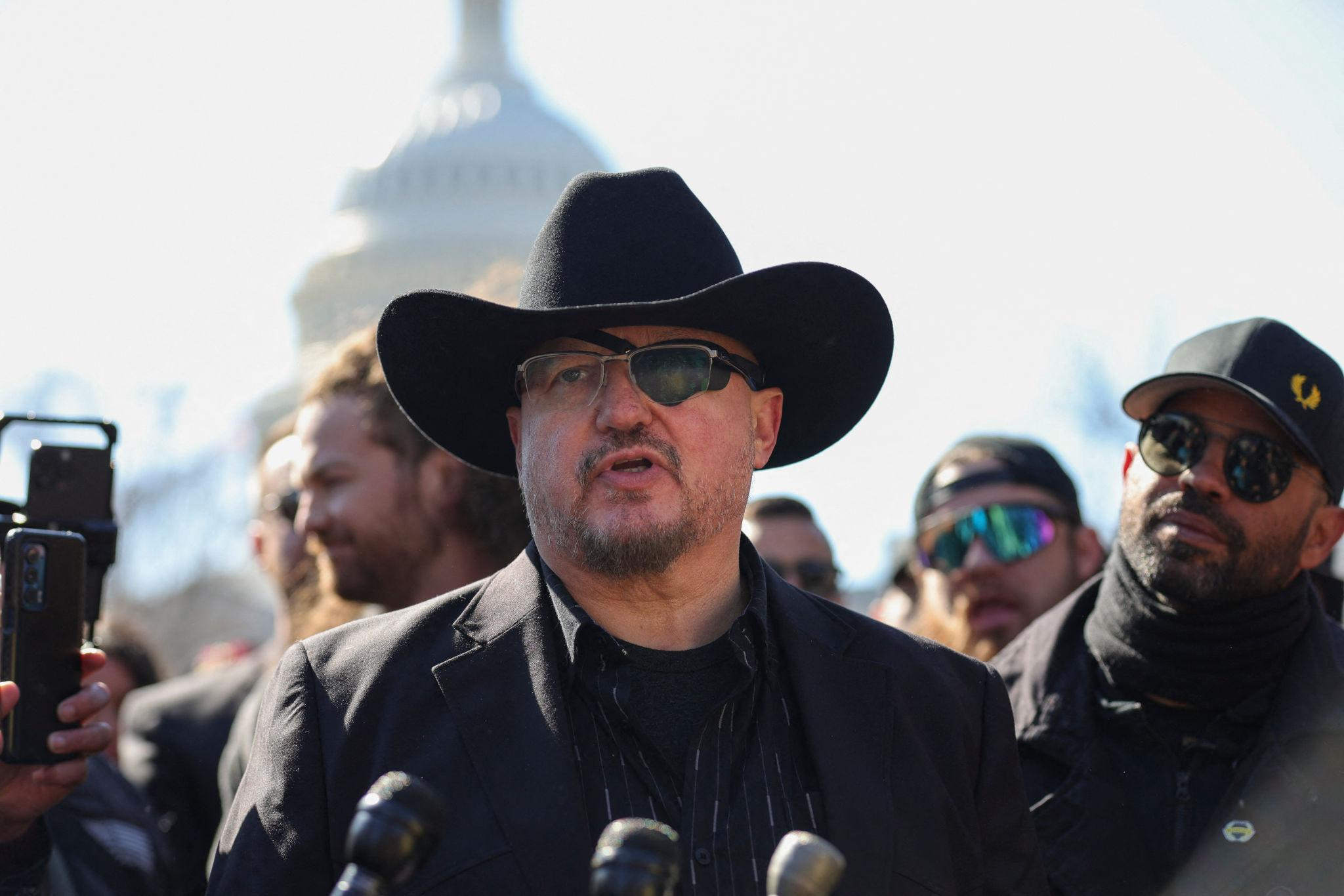
At the center of the legal effort is Stewart Rhodes, the founder of the Oath Keepers, whose case has become emblematic of the wider controversy.
What Are the Oath Keepers?
The Oath Keepers are a far-right militia-style organization formed in 2009, composed largely of current and former military personnel, law enforcement officers, and first responders. The group’s stated mission is to defend the U.S. Constitution, though critics and investigators have long described it as an extremist organization engaged in anti-government activities.
Their prominence surged after the events of January 6 United States Capitol attack, when members were accused of playing a coordinated role in efforts to disrupt the certification of the 2020 presidential election.
The January 6 Context: From Protest to Prosecution
The Capitol attack marked one of the most significant political crises in modern U.S. history. Prosecutors argued that leaders of the Oath Keepers and allied groups orchestrated a deliberate plan to interfere with the peaceful transfer of power after the election loss of Donald Trump to Joe Biden.
According to court records:
- Members “began plotting to oppose by force the lawful transfer of presidential power.”
- Coordinated groups moved toward the Capitol during the riot, breaching barriers and confronting law enforcement.
- More than 1,500 individuals were ultimately charged in connection with the attack.
Investigators described the events not as spontaneous unrest but as part of a structured effort involving leadership-level planning.
Stewart Rhodes and the Seditious Conspiracy Conviction
Stewart Rhodes became one of the most high-profile defendants in the post–January 6 prosecutions. A former U.S. Army paratrooper and Yale-educated lawyer, Rhodes was convicted in 2023 of seditious conspiracy—a rare and serious charge tied to attempts to overthrow or oppose government authority by force.
Key facts surrounding his case include:
- Rhodes was sentenced to 18 years in prison, one of the longest sentences tied to the Capitol attack.
- Prosecutors argued that he directed operations from outside the Capitol, coordinating members during the attack.
- Weapons were reportedly staged in a nearby location in preparation for escalation.
Although Rhodes did not physically enter the Capitol, the court determined that his leadership role was central to the broader effort.
The 2025 Clemency Wave and Its Aftermath
In January 2025, shortly after returning to office, Donald Trump issued sweeping clemency actions affecting more than 1,500 individuals charged in connection with January 6.
However, not all defendants received full pardons. Instead:
- Some, including Rhodes, had their sentences commuted—allowing release from prison but leaving convictions intact.
- This created a legal distinction: individuals were free but still formally convicted felons.
The current Justice Department move goes further by seeking to vacate those convictions entirely, effectively erasing them from the legal record.
The DOJ’s Argument: “Interests of Justice”
Federal prosecutors framed their request in procedural and institutional terms. In filings signed by U.S. Attorney Jeanine Pirro, the government stated:
“The United States has determined in its prosecutorial discretion that dismissal of this criminal case is in the interests of justice.”
They further argued that such motions are consistent with established legal practice when the government decides not to continue prosecution.
If granted, the request would:
- Vacate prior convictions
- Dismiss indictments permanently
- Prevent future re-prosecution on the same charges
Critics and Supporters: A Deep Divide
The decision has triggered sharply contrasting reactions across legal and political circles.
Supporters argue:
- The prosecutions were politically motivated
- Clemency actions should logically extend to full legal exoneration
- Some defendants were unfairly targeted in a highly charged political environment
Critics counter:
- The move undermines accountability for political violence
- It risks normalizing attempts to disrupt democratic processes
- It represents a significant departure from prior Justice Department positions
One former federal prosecutor described the move as:
“a continuing and sad commentary on the current state of the Department.”
The Broader Impact on Democracy and Rule of Law
The legal battle over the Oath Keepers extends far beyond individual cases. It raises structural questions about how democratic systems respond to internal threats.
Key implications include:
1. Redefining Accountability
The reversal of convictions challenges the idea that major political crimes carry lasting legal consequences.
2. Executive Influence Over Justice
The interplay between presidential clemency and prosecutorial decisions highlights the power of the executive branch in shaping legal outcomes.
3. Historical Narrative of January 6
Competing interpretations—insurrection versus protest—continue to shape public understanding of the event.
4. Precedent for Future Cases
Legal experts warn that overturning such convictions could influence how future political violence cases are prosecuted.
What Happens Next?
The U.S. Court of Appeals for the District of Columbia Circuit is now tasked with deciding whether to grant the Justice Department’s request.
Possible outcomes include:
- Approval: Convictions are vacated, ending the cases permanently
- Rejection: Convictions remain, preserving prior rulings
- Partial rulings: Some cases may be treated differently depending on legal nuances
Deadlines for filings and responses have already been set, indicating that the legal process is moving quickly.
Conclusion: A Case That Defines an Era
The story of the Oath Keepers has evolved from a fringe militia narrative into a defining legal and political issue of the decade. What began as prosecutions tied to a historic attack on democratic institutions has now become a test of how justice systems adapt under shifting political leadership.
At its core, the debate is not only about one group or one event—it is about the boundaries of accountability, the resilience of democratic norms, and the enduring tension between law and politics in modern governance.


