


Samsung Galaxy S27 May Use BOE Screens as Samsung Rethinks Its Supply Chain
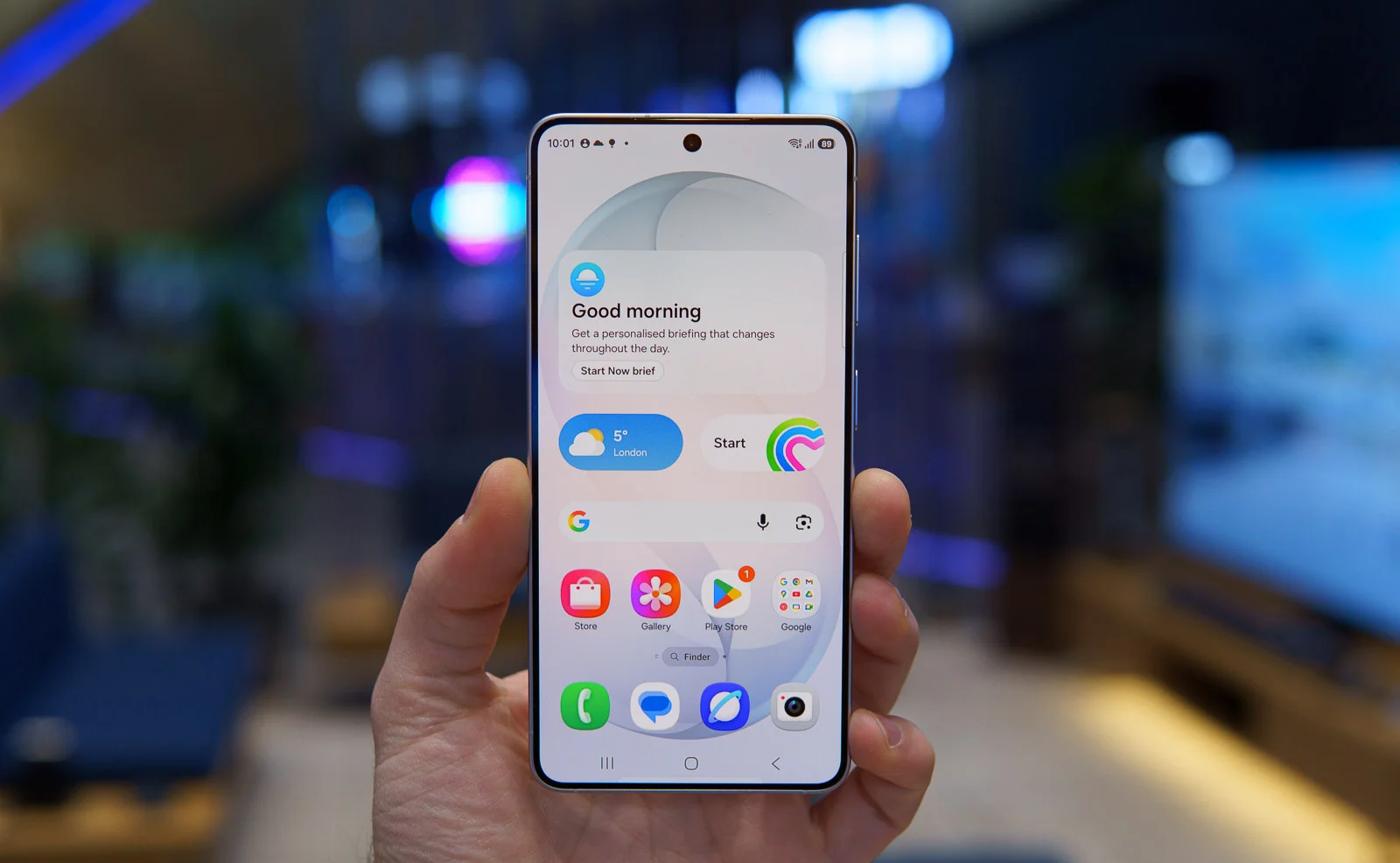
Samsung’s next-generation flagship smartphone may arrive with a major behind-the-scenes change that could reshape the company’s display strategy for years to come. According to reports emerging from Korea, Samsung is considering sourcing OLED panels for the upcoming Galaxy S27 series from Chinese display giant BOE, marking a potentially significant shift for one of the world’s most influential smartphone manufacturers.
For years, Samsung’s premium Galaxy S lineup has relied heavily on Samsung Display — the company’s own display manufacturing arm — for its screens. But rising production costs, intensifying competition, and growing pressure to maintain competitive pricing are now pushing Samsung Electronics to explore alternative suppliers.
If the reports prove accurate, the Galaxy S27 could become one of the first flagship Samsung phones to feature BOE-made OLED panels alongside Samsung’s own displays.
Why Samsung Is Looking Beyond Its Own Displays
The rumored move is largely tied to economics.
Recent reports suggest that Samsung Electronics is searching for ways to offset increasing component costs, particularly for memory and storage technologies such as DRAM and NAND flash. The rapid expansion of artificial intelligence infrastructure and AI-powered devices has contributed to higher demand — and higher prices — for these components worldwide.
Using less expensive OLED panels from Chinese manufacturers could help Samsung control production expenses while continuing to invest in premium hardware elsewhere.
Industry reports indicate that Samsung may use the savings from display sourcing to fund more advanced memory configurations or newer storage technologies for the Galaxy S27 lineup.
The strategy would also help Samsung avoid significant retail price increases at a time when consumers are becoming increasingly sensitive to smartphone pricing.
BOE’s Long Pursuit of Samsung’s Flagship Business
BOE has spent years trying to break into the supply chains of major global smartphone brands. The Chinese display manufacturer has steadily improved its OLED technology and now competes directly with industry leaders like Samsung Display and LG Display in several market segments.
According to the reports, BOE is eager to secure a role in Samsung’s flagship production after another Chinese display manufacturer, TCL-owned CSOT, reportedly obtained supply contracts for the Galaxy A57.
Samsung Display is still expected to remain the primary supplier for Samsung devices, including the Galaxy A57. However, CSOT has reportedly become the secondary supplier for certain OLED touch panels.
That arrangement may serve as a blueprint for the Galaxy S27.
Under the proposed structure, Samsung Display would continue handling the majority of premium screen production while BOE would act as a secondary supplier for selected Galaxy S27 models — most likely the base version rather than Ultra variants.
A Delicate Internal Balancing Act
The decision is not simply about manufacturing costs.
Reports from Korean media suggest there may also be internal resistance within Samsung Group itself. Samsung Display remains one of the world’s dominant OLED suppliers and plays a crucial role in supplying screens to other major brands — including Apple.
Some analysts believe that giving BOE a role in Samsung’s own flagship devices could weaken Samsung Display’s bargaining position in broader global negotiations, particularly against Apple and Chinese competitors.
In other words, Samsung Electronics may benefit financially from cheaper displays, but Samsung Display could face greater competitive pressure as a result.
This creates a complicated corporate balancing act between short-term cost savings and long-term strategic influence in the global OLED market.
Could Galaxy S27 Buyers Notice the Difference?
One of the biggest questions surrounding the reports is whether users would actually notice any difference between Samsung-made and BOE-made panels.
Chinese OLED manufacturers have made enormous progress in recent years. BOE, TCL CSOT, and Tianma now produce displays that many reviewers consider competitive with Samsung and LG in terms of brightness, color accuracy, and efficiency.
Some readers commenting on the reports argued that BOE panels are already “on par with Samsung and LG,” while others remain skeptical about consistency and quality control.
Still, display enthusiasts point out that subtle differences can exist in areas such as:
- animation smoothness
- PWM dimming behavior
- color calibration
- power efficiency
- brightness consistency
- long-term burn-in resistance
Notebookcheck noted that “anyone with a keen eye can easily tell the difference” between display suppliers in certain scenarios.
If Samsung adopts multiple panel suppliers for the Galaxy S27 lineup, consumers could theoretically receive devices with slightly different display characteristics depending on manufacturing batches or regions.
That would not be entirely unprecedented in the smartphone industry, but it could become controversial among power users and enthusiasts who expect uniformity across flagship devices.
The Galaxy S27 Is Already Generating Rumors
Even though the Galaxy S27 is still many months away, rumors surrounding Samsung’s next flagship series are already accelerating.
Recent leaks have suggested the Galaxy S27 lineup could include:
- redesigned camera hardware
- fewer rear cameras on Ultra models
- a custom Snapdragon chipset
- UFS 5.0 storage on select models
- a possible 200MP camera with variable aperture technology
- silicon-carbon battery upgrades
Several reports also hint at broader design changes intended to modernize the Galaxy S lineup and better compete with aggressive Chinese smartphone brands.
The display supplier story now adds another layer to the growing speculation surrounding Samsung’s future direction.
The Bigger Picture: China’s Expanding Role in Premium Smartphones
The rumored BOE partnership also reflects a wider industry trend.
Chinese suppliers are no longer limited to budget smartphone components. Companies like BOE and CSOT are increasingly becoming central players in premium consumer electronics manufacturing.
BOE already supplies OLED panels to several major global brands and has invested heavily in advanced OLED technologies, including flexible and tandem OLED systems.
As competition intensifies, smartphone manufacturers are under pressure to diversify suppliers, reduce costs, and avoid overdependence on any single component partner.
Samsung itself has historically dominated OLED technology, but the gap between Korean and Chinese display makers is narrowing faster than many expected.
What Happens Next?
For now, Samsung has reportedly not made a final decision regarding BOE’s involvement in the Galaxy S27 supply chain.
The company is still evaluating whether the financial benefits outweigh the strategic and reputational risks. Samsung Display is expected to remain the primary supplier regardless of the outcome, but BOE could gain a secondary role if negotiations move forward.
Much could also depend on global component pricing over the coming months. If memory and storage costs continue rising, Samsung may have stronger incentives to reduce expenses elsewhere in the production process.
Until then, the possibility of BOE screens inside a Galaxy S flagship remains one of the most intriguing smartphone industry developments to watch ahead of 2027.
The rumors may still be early, but they highlight a changing reality in the mobile industry: even companies as vertically integrated as Samsung are increasingly willing to rethink long-standing supply chain strategies in pursuit of cost efficiency and competitiveness.


