


Streaming Television Is Reshaping How the World Watches TV
Streaming television has evolved from a convenient alternative to cable into the dominant force shaping modern entertainment. What once began with on-demand libraries and binge-worthy originals has transformed into a sprawling ecosystem that combines live channels, sports, movies, smart TV integrations, advertising technology, and even e-commerce.
In 2026, the streaming industry is no longer just competing with traditional television — it has effectively become television.
The rapid rise of cord cutting, smart TVs, and ad-supported streaming services has fundamentally changed viewing habits across millions of households. Consumers increasingly expect flexibility, lower costs, personalized recommendations, and instant access to entertainment across multiple devices. Platforms like Netflix, Roku, YouTube, Amazon Prime Video, Samsung TV Plus, and Google TV are now competing not only for subscribers, but also for viewer attention, advertising revenue, and control of the living room experience.
Recent developments across the streaming industry reveal an ecosystem in constant transformation, where free television, live sports, smart home integration, and interactive advertising are driving the next phase of growth.
The Era of Cord Cutting Has Fully Arrived
For years, cable television dominated home entertainment. Expensive bundles and long-term contracts were accepted as unavoidable parts of watching television. That model has rapidly weakened as streaming services expanded their offerings.
Today’s streaming television landscape revolves around accessibility and flexibility. Consumers can subscribe to premium services, watch free ad-supported channels, or combine multiple apps into personalized entertainment bundles.
Industry observers increasingly point to FAST services — Free Ad-Supported Streaming Television — as one of the most important trends in media consumption. Platforms such as Roku Channel, Pluto TV, Tubi, Samsung TV Plus, and Freevee are attracting viewers who want television without costly subscriptions.
A growing number of households now combine a handful of paid subscriptions with free streaming platforms, replacing the traditional cable bundle entirely.
Roku’s Expanding Streaming Ecosystem
Among the clearest examples of streaming television’s evolution is Roku’s aggressive expansion into free live television.
According to recent reports, Roku identified ten of its most popular free live channels on Roku TVs and Roku players through The Roku Channel. These included channels such as:
- Little House on the Prairie
- Leave it to Beaver
- Oxygen True Crime Archives
- Law & Order
- Cops on Pluto TV
- The First 48 by A&E
- Universal Westerns
- Hallmark Movies & More
- Home Improvement
- Universal Crime
Roku stated that these channels represent strong engagement across multiple demographics and viewing patterns.
The popularity of these channels highlights a major shift in audience behavior. Rather than relying entirely on premium subscription services, many viewers are embracing free, always-on streaming channels that mimic the traditional television experience while remaining internet-based.
Roku has also continued expanding its free live TV offerings. In May 2026 alone, the company added 15 additional live channels to The Roku Channel, spanning sports, reality TV, educational programming, family entertainment, travel, and breaking news coverage.
This strategy reflects the broader streaming industry’s push toward maximizing engagement while minimizing subscription fatigue.
Netflix Pushes Deeper Into Live Sports
Streaming television is no longer limited to movies and scripted series.
One of the biggest developments in recent years has been the race to secure live sports rights. Netflix, long associated primarily with on-demand content, is now expected to expand its NFL-related programming as its relationship with the league grows.
The move underscores how major streaming companies increasingly view sports as essential for long-term subscriber retention and advertising revenue. Live sports remain one of the few forms of programming that audiences still prefer to watch in real time.
Streaming companies understand that securing major sports rights helps attract loyal audiences while opening new opportunities for premium advertising and sponsorships.
Platforms such as ESPN+, FuboTV, Peacock, YouTube TV, DAZN, and Hulu + Live TV have already established themselves as major sports streaming destinations.
Now, Netflix’s growing interest in NFL programming signals how even traditionally on-demand services are adapting to the realities of live television.
Smart TVs Become the New Entertainment Hub
Modern streaming television is increasingly centered around smart TVs rather than standalone cable boxes.
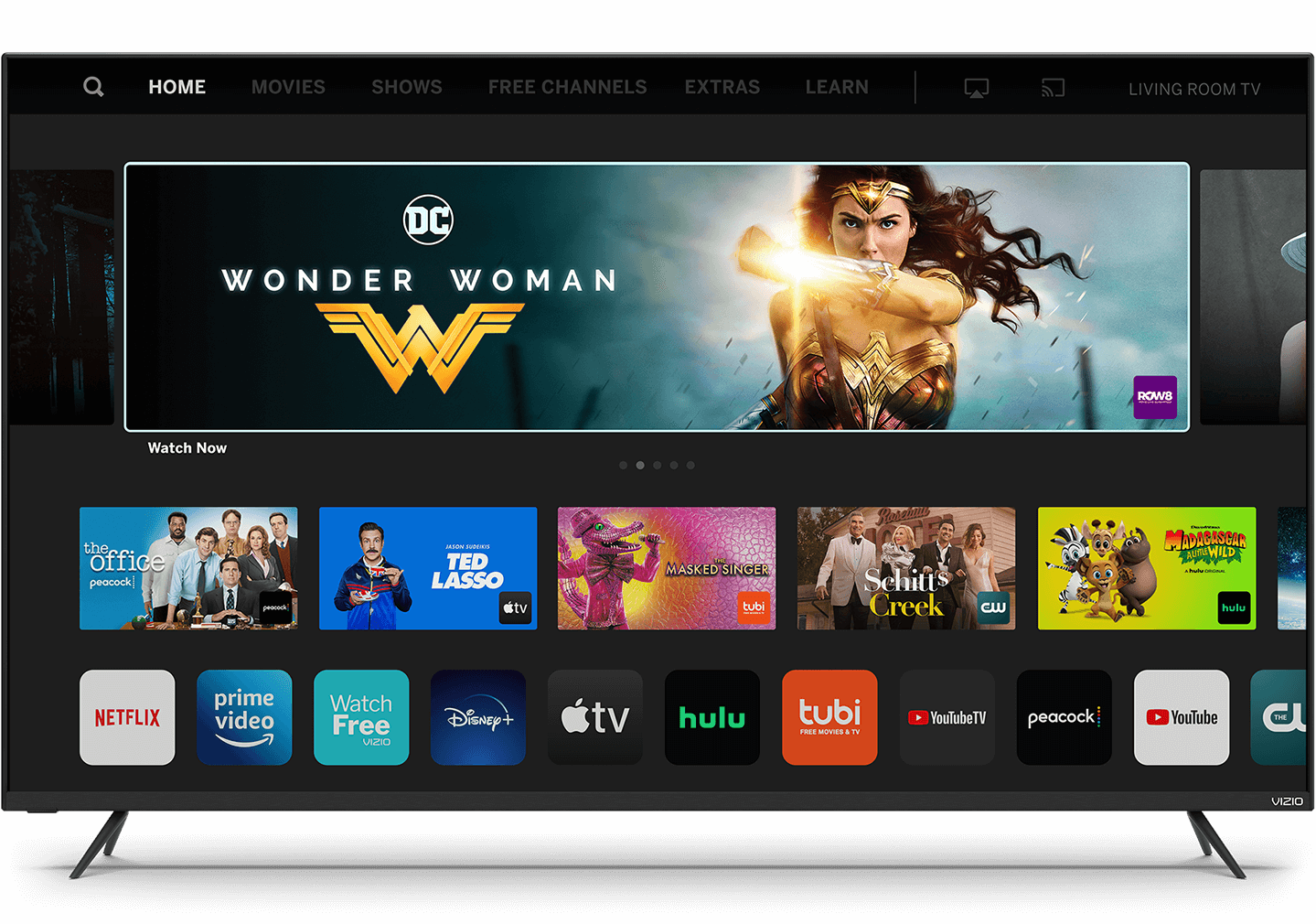
Manufacturers like Samsung, LG, TCL, and Vizio now build streaming ecosystems directly into televisions, allowing users to access apps, live channels, games, and smart home controls from a single interface.
Google TV describes its platform as “your new home for all the content you love,” integrating movies, live television, and streaming apps directly into smart TVs and streaming devices.
Samsung’s smart TV platform similarly emphasizes apps for streaming, gaming, education, sports, and lifestyle content.
This convergence of hardware and software has created an environment where the television itself acts as the entertainment operating system.
Consumers increasingly expect:
- Personalized recommendations
- Voice control
- Cross-platform search
- Free live TV integration
- Smart home compatibility
- Mobile synchronization
- AI-driven content discovery
Streaming television is no longer simply about watching shows. It is becoming an interconnected digital experience.
Free Streaming Is Driving Massive Growth
The surge in free streaming services may be the most important development in the television industry today.
Research and industry reporting show that many viewers are becoming frustrated with rising subscription prices. Free streaming platforms have emerged as a powerful alternative.
Services like:
- Tubi
- Pluto TV
- Freevee
- Roku Channel
- Plex
- Samsung TV Plus
now provide thousands of movies, television episodes, live channels, and niche programming without monthly fees.
A recent survey cited by industry reporting found that 62% of viewers prefer free streaming options, including ad-supported services, over paid subscriptions.
This shift is reshaping advertising models across the media industry. Instead of relying entirely on subscriber fees, platforms increasingly monetize through targeted advertising and sponsorships.
For consumers, the tradeoff is straightforward: watch a few advertisements in exchange for free access to entertainment.
Streaming Apps Are Changing Their Design Philosophy
As competition intensifies, streaming services are redesigning their interfaces to maximize engagement.
Amazon Prime Video recently introduced “Clips,” a TikTok-style vertical video feature designed to help viewers discover shows through short-form previews.
The feature mirrors broader trends across streaming platforms that increasingly blend social media behavior with television viewing.
YouTube is also evolving rapidly. Reports indicate the company is turning its TV app into a shopping-enabled platform through a “Buy with Google Pay” feature that allows viewers to purchase products directly from television advertisements in just two clicks.
These developments suggest that streaming television is becoming more interactive, personalized, and commerce-driven.
The television screen is no longer passive.
The Risks and Challenges Facing Streaming Television
Despite its growth, streaming television faces significant challenges.
One major issue is technological reliability. Roku and TCL recently faced a federal class-action lawsuit alleging that software updates rendered certain smart TVs unusable after automatic updates caused crashes and system failures.
The case highlights the growing dependence of modern televisions on cloud-connected software ecosystems. Unlike traditional televisions, smart TVs require constant updates, internet connectivity, and app maintenance.
Privacy is another growing concern.
Academic research has increasingly focused on smart TV tracking technologies and security vulnerabilities. Studies examining “Automatic Content Recognition” (ACR) systems found that some smart TVs monitor viewing behavior to build advertising profiles.
Other researchers have explored security risks involving smart TV remote-control systems and digital tracking footprints created by streaming devices.
As streaming television becomes more connected, concerns around data collection, advertising surveillance, and cybersecurity are likely to intensify.
Nostalgia Still Plays a Powerful Role
Even as technology transforms television, familiar content remains central to streaming success.
Classic programs continue to dominate streaming engagement. Roku’s most popular channels prominently feature nostalgic titles such as Leave it to Beaver, Little House on the Prairie, and Home Improvement.
Meanwhile, SpongeBob SquarePants recently celebrated its 27th anniversary, demonstrating how legacy television franchises continue thriving across streaming platforms.
Streaming television has not eliminated traditional viewing habits. Instead, it has repackaged them into digital formats that feel both modern and familiar.
Audiences still crave comfort viewing, recognizable brands, and shared cultural experiences.
The Future of Streaming Television
The next phase of streaming television will likely be defined by convergence.
Several trends are already emerging:
More Live Sports
Streaming companies continue investing heavily in exclusive sports rights to attract loyal audiences.
Expanded FAST Services
Free ad-supported streaming channels are expected to grow rapidly as subscription fatigue increases.
Interactive Television
Platforms are experimenting with shopping features, live interaction, and personalized advertising.
AI-Powered Discovery
Artificial intelligence is increasingly used to recommend content, optimize advertising, and personalize viewing interfaces.
Smart Home Integration
Televisions are evolving into control centers for connected homes. Recent developments already allow smart TVs to function as smart home hubs.
Consolidation of Streaming Apps
Media companies are merging services and centralizing content ecosystems to reduce fragmentation.
Streaming Television Has Become the New Standard
Streaming television is no longer a disruptive alternative — it is now the center of the entertainment industry.
The rise of free streaming channels, smart TVs, live sports integration, and interactive advertising has permanently altered how audiences consume media. Companies like Roku, Netflix, YouTube, Amazon, Samsung, and Google are competing to define what the television experience will look like over the next decade.
For consumers, the benefits are substantial: more choice, greater flexibility, lower costs, and access to entertainment from virtually anywhere.
At the same time, the rapid evolution of streaming raises important questions about privacy, platform control, subscription costs, and the future of traditional broadcasting.
One thing is certain: television is no longer tied to cable boxes and broadcast schedules. It now lives inside apps, algorithms, smart devices, and streaming platforms that continue to evolve at remarkable speed.
And for millions of viewers around the world, that transformation is only just beginning.


