


The Pitt Season 1: How a 15-Hour Hospital Shift Became One of TV’s Most Talked-About Medical Dramas
A Medical Drama Built on Pressure, Not Comfort
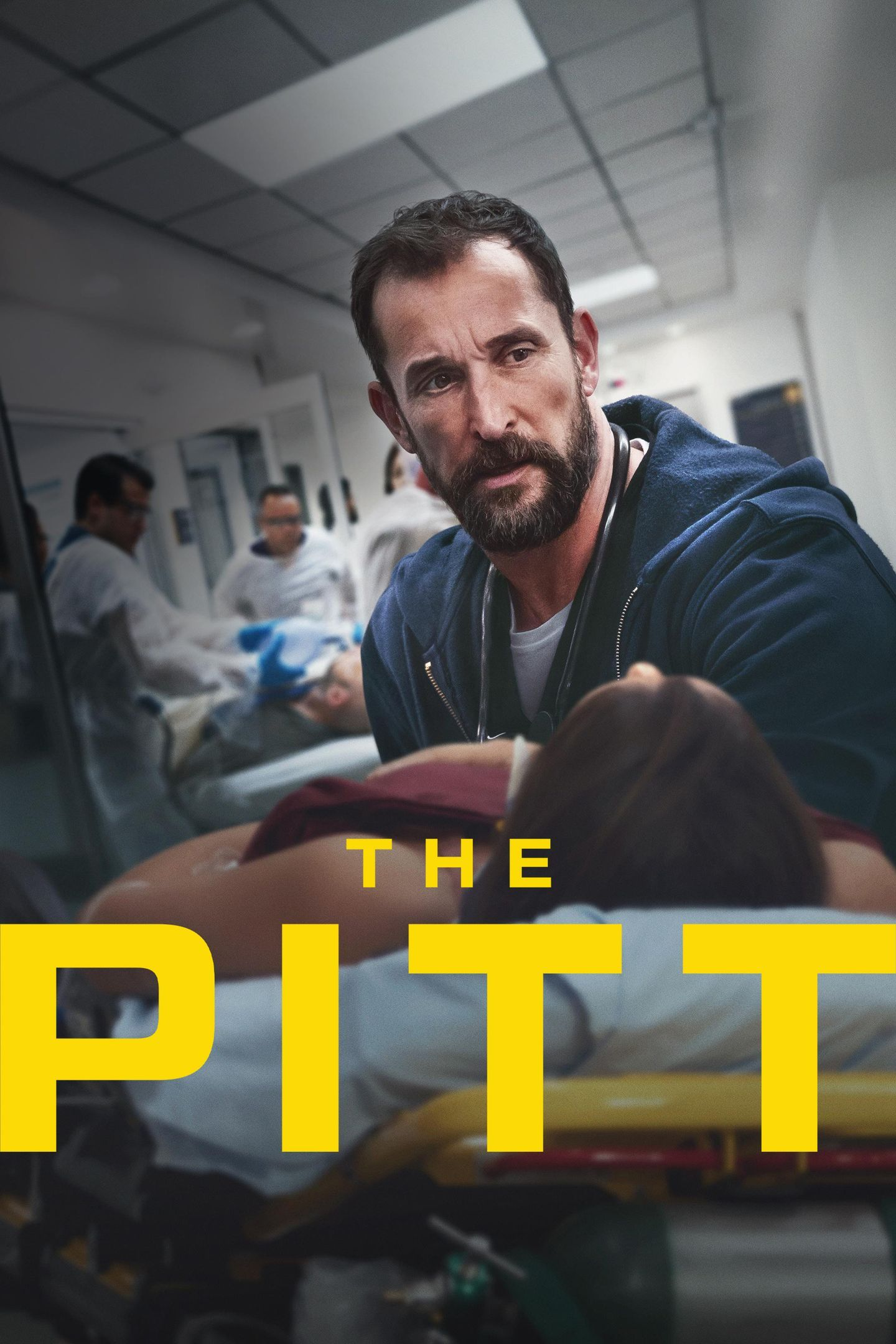
The Pitt Season 1 arrived as a medical drama with a deceptively simple structure: one hospital shift, 15 episodes, and a trauma emergency room where every hour could expose a new crisis. Rather than spreading its story across weeks or months, the series compressed its emotional and professional stakes into a single day inside Pittsburgh Trauma Medical Hospital’s emergency room.
That format became the show’s signature. Each episode covers one hour of Dr. Michael “Robby” Robinavitch’s shift, placing viewers inside the controlled chaos of modern emergency medicine. HBO Max describes the series as “a realistic examination of the challenges facing healthcare workers in today’s America as seen through the lens of the frontline heroes working in a modern-day hospital in Pittsburgh, Pennsylvania.”
Led by Noah Wyle as Robby, The Pitt Season 1 quickly distinguished itself from conventional medical television. It was not simply about mysterious diagnoses, dramatic rescues, or hospital politics. Its strongest material came from the relentless accumulation of pressure: patients arriving before staff can emotionally process the last case, doctors managing fatigue while making life-or-death decisions, and a system that demands compassion from people who are already stretched thin.
The Real-Time Format Gave Season 1 Its Urgency
The most important creative choice in The Pitt Season 1 was its real-time storytelling. The show’s structure gave the season a procedural rhythm while also creating the intensity of a thriller. Every hour mattered because the shift did not reset. Exhaustion carried over. Mistakes lingered. Trauma built.
That approach helped make the emergency room feel less like a television set and more like a pressure chamber. The 15-episode design meant that the season was not just telling 15 separate medical stories. It was mapping the emotional cost of one long, punishing day.
The structure also changed how viewers experienced Robby. Instead of watching him evolve over a traditional season-long timeline, audiences saw his composure tested almost minute by minute. The result was a character study hidden inside a hospital ensemble drama.
Noah Wyle’s Robby Anchored the Story
At the center of Season 1 was Dr. Michael “Robby” Robinavitch, played by Noah Wyle. Robby is not presented as a flawless medical hero. His authority comes from experience, but the show is equally interested in the toll that experience has taken on him.
The later conversation around Robby’s mental health in Season 2 makes Season 1 even more significant in retrospect. Wyle has described Robby as reaching a breaking point across the show’s early run, saying, “He didn’t know that he filled his compartments to capacity and that this was going to be a breaking point day” in Season 1.
That line helps explain why Season 1 resonated. Robby’s story was not just about whether he could save patients. It was about what happens when a doctor becomes so practiced at compartmentalizing pain that he no longer recognizes how much he is carrying.
An Ensemble That Made the Hospital Feel Alive
While Wyle’s Robby led the series, Season 1’s strength also came from its ensemble. The world of The Pitt is built through doctors, residents, nurses, and hospital employees who each bring their own history, temperament, and professional burden into the emergency room.
The broader cast associated with the series includes Patrick Ball as Dr. Langdon, Katherine LaNasa as Dana Evans, Supriya Ganesh as Dr. Mohan, Fiona Dourif as Dr. McKay, Taylor Dearden as Dr. King, Isa Briones as Dr. Santos, Gerran Howell as Whitaker, Shabana Azeez as Javadi, Sepideh Moafi as Dr. Al-Hashimi, Shawn Hatosy as Dr. Abbot, Ken Kirby as Dr. Shen, and Ayesha Harris as Dr. Ellis.
What made the ensemble work was the way the series treated hospital labor as collective rather than individual. The emergency room did not revolve around one brilliant doctor solving every problem. It depended on teams, handoffs, trust, and the constant friction between clinical training and human emotion.
Season 1’s Most Disturbing Power Came From Its Realism
The show’s realism was not limited to medical vocabulary or hospital staging. Season 1 explored how frontline health workers absorb the emotional consequences of public crises, institutional pressure, and personal grief.
One of the major Season 1 events referenced in later coverage is the PittFest shooting, a storyline that positioned the hospital not only as a place of treatment but also as a mirror of the society outside its doors.
That is where The Pitt found much of its cultural force. It used the emergency room as a concentrated version of contemporary America: violence, fear, exhaustion, family conflict, grief, bureaucracy, and fleeting moments of grace all passing through the same doors.
Why Season 1 Connected With Viewers
The Pitt Season 1 succeeded because it treated emergency medicine as both a professional environment and a moral test. Its characters were skilled, but they were not invulnerable. The hospital was functional, but never calm. The stories were dramatic, but the show’s emotional power came from restraint.
The series also benefited from arriving at a time when audiences had become deeply aware of healthcare workers’ burdens. By focusing on one shift, the show avoided abstraction. It did not need speeches about a strained healthcare system when the system could be seen in every crowded hallway, every delayed decision, and every exhausted glance.
That authenticity appears to have paid off. The show’s Season 1 success was later described as including five Emmy wins: Outstanding Drama Series, Noah Wyle for Outstanding Lead Actor, Katherine LaNasa for Outstanding Supporting Actress, Shawn Hatosy for Outstanding Guest Actor, and Outstanding Casting.
The Early Renewal Showed Confidence in the Format
The reaction to Season 1 was strong enough that The Pitt received an early renewal for Season 2 after Episode 7 began streaming. That timing matters because it suggests the series had established its identity before the full first season had even finished airing.
For a show built around such a specific format, that confidence was notable. A real-time, single-shift medical drama could easily have felt like a gimmick. Instead, Season 1 proved that the structure could sustain character development, procedural tension, and broader social commentary.
The renewal also confirmed that The Pitt was not just a one-season experiment. Its format could evolve by changing the shift, the season, the calendar, and the emotional state of its characters while keeping the core premise intact.
How Season 1 Set Up the Show’s Future
Later developments in the series show how important Season 1 was as a foundation. Season 2 continued the real-time model, while Season 3 is expected to remain built around a single shift. The showrunner, R. Scott Gemmill, has said the hope for Season 3 is that it is “all about healing,” particularly after Robby’s difficult Season 2 journey.
That future direction makes Season 1 look like the beginning of a longer emotional arc. The first season introduced a workplace where survival often depends on emotional suppression. The later seasons appear to explore what happens when that suppression stops working.
Season 3 is also expected to take place in early November, “just before the holidays,” according to Wyle. That time jump indicates how the series can keep reinventing itself without abandoning its core design: one shift, one hospital, one concentrated encounter with the pressures facing healthcare workers.
What The Pitt Season 1 Ultimately Represents
The Pitt Season 1 is significant because it revived the medical drama not by making it bigger, glossier, or more sensational, but by making it more immediate. Its 15-hour structure forced viewers to sit with the pace of emergency care. Its characters made that pace human. Its setting turned the hospital into a place where American anxieties arrive in real time.
The season’s lasting achievement is that it made the emergency room feel like more than a backdrop. It became the story’s engine, its moral arena, and its emotional battleground.
By the end of Season 1, The Pitt had established itself as more than another hospital series. It became a study of endurance: the endurance of patients, doctors, nurses, families, and a healthcare system that keeps moving even when everyone inside it is close to breaking.


