

Android 17 Signals a Major Shift Toward Mobile Creators
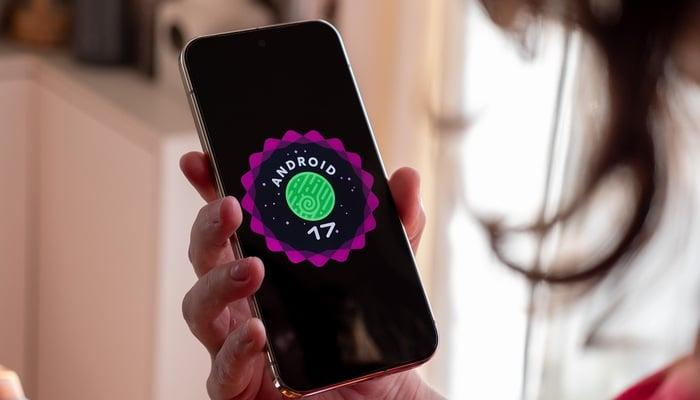
Android 17 is shaping up to be one of Google’s most creator-focused software releases yet, with new tools designed to make recording, editing, posting, and sharing content easier directly from Android phones.
- Why Android 17 Matters for Creators
- Screen Reactions Brings Reaction Videos Into Android
- Instagram on Android Gets a Long-Awaited Upgrade
- Instagram Edits Adds AI-Powered Tools
- Android Tablets Get a Better Instagram Experience
- Adobe Premiere Is Coming to Android
- APV Brings Professional Video Ambitions to Android
- A Broader Android 17 Push Beyond Creators
- What This Means for Android’s Competition With iPhone
- The Rollout Will Determine the Real Impact
- Conclusion: Android 17 Is Google’s Creator Moment
Announced during The Android Show I/O Edition 2026, the update introduces a series of features aimed at creators who use smartphones as their primary production tool. The headline additions include Screen Reactions, deeper Instagram enhancements, AI-powered editing tools, Adobe Premiere support, and expanded professional video capabilities through the APV format.
For years, many creators have viewed iPhones as the safer choice for social media video quality and app optimization. Android 17 appears to be Google’s most direct attempt yet to close that gap—not only through camera upgrades, but by improving the full journey from capture to upload.
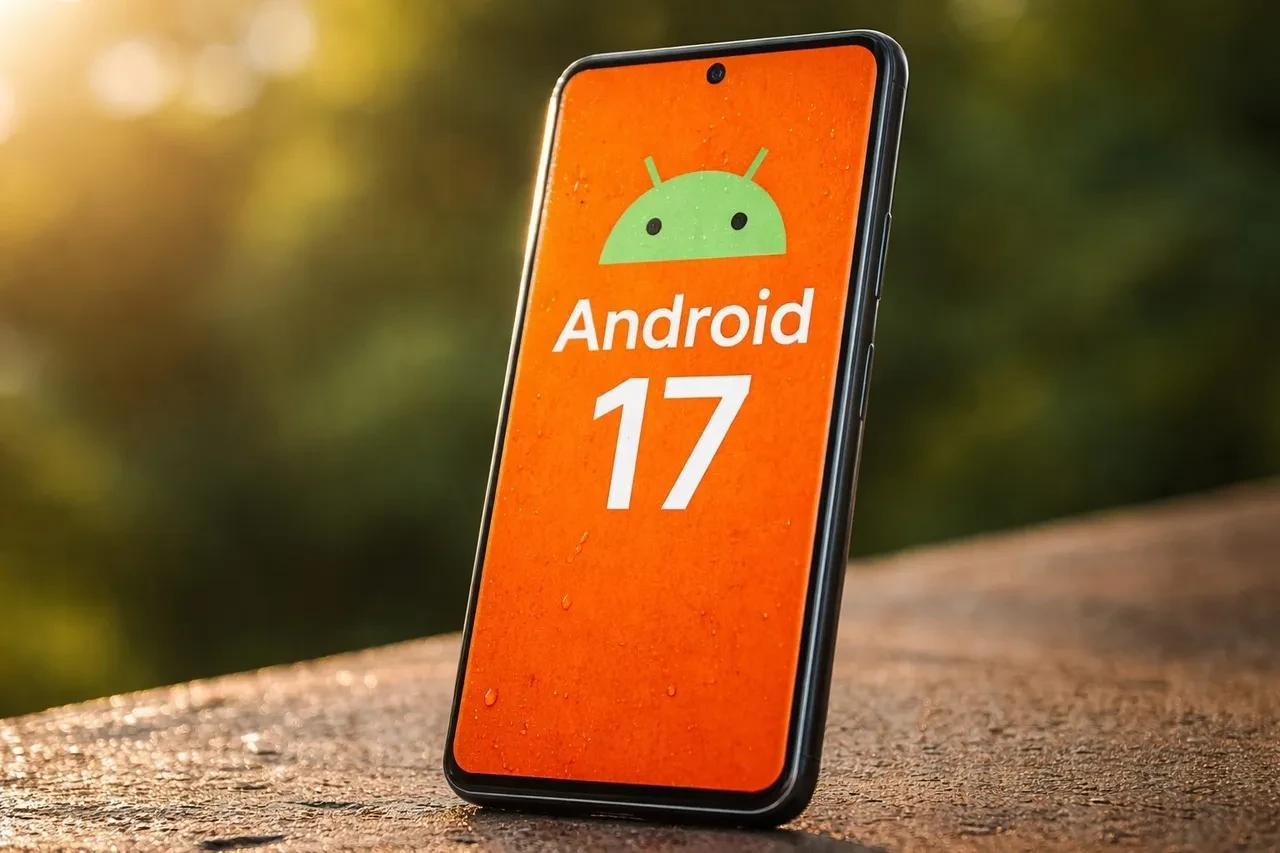
Why Android 17 Matters for Creators
The creator economy has changed what people expect from a phone. A flagship device is no longer judged only by its camera sensor, processor, or display. It must also perform well inside social apps, preserve video quality after upload, support fast editing, and make content creation feel seamless.
That is the broader context behind Android 17’s creator-focused updates. Google is not simply adding another camera mode; it is trying to make Android a stronger end-to-end platform for creators, vloggers, YouTubers, influencers, reviewers, educators, and everyday users who publish short-form video.


The company says the update is designed to help creators spend less time switching between apps while improving the process of capturing, editing, and sharing content across platforms like Instagram and YouTube.
Screen Reactions Brings Reaction Videos Into Android
One of the most visible additions is Screen Reactions, a built-in Android 17 feature that allows users to record their screen and front camera at the same time.
The idea is simple but important: users can create reaction-style videos without needing a separate editing app, third-party screen recorder, or green screen setup. A creator could react to a trending clip, comment on a webpage, walk viewers through an app, respond to social media comments, or record a tutorial while appearing on-screen.
The feature can display the user as a floating cutout overlay while recording content from webpages, videos, apps, and photos. It is designed for reaction videos, commentary clips, livestream responses, product reactions, and social media posts.

Screen Reactions will first roll out to Pixel devices later this summer, likely alongside the stable rollout of Android 17.
Instagram on Android Gets a Long-Awaited Upgrade
Perhaps the most strategically important update is Google’s collaboration with Meta to improve Instagram on Android.
Instagram has long been a pain point for Android users, especially creators who felt that photos and videos often lost quality after being uploaded. Android 17 directly addresses this issue with improvements aimed at capture, processing, stabilization, and upload quality.
Instagram for Android will gain support for:
Ultra HDR photo capture and playback
Built-in video stabilization
Night Sight support for low-light photography
These features will initially roll out to flagship Android devices, starting with the latest Pixel and Samsung Galaxy smartphones.
The bigger change may be less visible but more important: Google says it has improved Instagram’s capture-to-upload pipeline on Android 17 so photos and videos retain the highest possible quality after posting. According to the company, side-by-side tests using the Universal Video Quality model showed that videos captured and uploaded from Android flagship devices scored similarly or better than competing platforms.
That claim matters because it targets one of Android’s most persistent creator complaints: the gap between what the phone camera captures and what social platforms actually publish.
Instagram Edits Adds AI-Powered Tools
Android 17’s creator strategy also extends into editing. The Instagram Edits app is gaining new Android tools powered by on-device AI processing.
The first major addition is Smart Enhance, which can upscale photos and videos with a single tap. The tool uses advanced on-device AI to improve overall quality, helping creators polish content without leaving the mobile workflow.
The second is Sound Separation, a feature that can identify and separate multiple audio layers inside a video, including voices, wind, background noise, and music. Users can reduce unwanted sounds while boosting specific audio tracks, which could help avoid retakes caused by interruptions during recording.
For mobile creators, these tools could be especially useful because many short-form videos are recorded in uncontrolled environments: streets, events, offices, classrooms, cars, and public spaces. Better audio cleanup and quick image enhancement can reduce the time between recording and publishing.
Android Tablets Get a Better Instagram Experience
Google also confirmed that Instagram for Android tablets has been fully optimized to take better advantage of larger displays.
This is a practical but meaningful change. As Android tablets become more powerful, creators increasingly use them for editing, planning, scripting, reviewing, and posting content. A better Instagram layout on larger screens makes Android tablets more useful as lightweight creator workstations rather than just media-consumption devices.
Adobe Premiere Is Coming to Android
Another major announcement is Adobe Premiere support on Android.
Google confirmed that Adobe Premiere will be coming to Android in the near future. Another provided report notes that the Adobe Premiere Pro app for Android is coming soon and will include exclusive templates and effects for creating and posting YouTube Shorts directly from mobile devices.
That matters because professional-grade mobile editing is becoming more central to creator workflows. While many creators still use desktop software for complex projects, short-form video has pushed more editing onto phones and tablets. Premiere on Android could give creators a more recognizable professional editing pathway inside the Android ecosystem.
APV Brings Professional Video Ambitions to Android
Android 17 will also introduce support for the APV video format on flagship smartphones powered by the Snapdragon 8 Elite Gen 5 chipset. Initial supported devices include the Samsung Galaxy S26 Ultra and vivo X300 Ultra, with support for additional devices expected later this year.
APV, or Advanced Professional Video, is described as a professional video format co-developed with Samsung. Google says it is currently the most storage-efficient professional video format available and is powered by dedicated hardware acceleration on the Snapdragon 8 Elite Gen 5 chipset.
This points to a broader ambition: Google wants Android to compete not only as a casual social media platform, but also as a serious mobile video environment for filmmakers, vloggers, and YouTubers.
A Broader Android 17 Push Beyond Creators
Although creator tools are a major part of the Android 17 story, the update is also expected to include wider platform changes.
Google has revealed Android 17 features spanning artificial intelligence, cross-platform sharing, digital well-being, emoji redesigns, and security upgrades. These include Gemini-powered tools, AI-generated widgets, smarter dictation, easier iPhone-to-Android migration, improved Quick Share support, stronger malware detection, scam call protections, enhanced APK scanning inside Chrome, and improved anti-theft measures.
That broader package matters because creators do not work in isolation. They need fast file sharing, reliable device switching, stronger security, and AI tools that reduce repetitive work. Android 17’s creator features are therefore part of a larger effort to make Android more useful across productivity, media, and communication.
What This Means for Android’s Competition With iPhone
The competitive subtext is clear. iPhones have historically benefited from strong app optimization, consistent camera behavior, and reliable social media uploads. Android has often had excellent hardware but uneven results inside third-party apps.
With Android 17, Google appears to be tackling that problem at the platform level. Instead of relying only on phone makers to improve camera hardware, Google is working with Meta, supporting advanced formats, adding built-in creation tools, and bringing professional editing software to Android.
If these improvements work as promised, Android creators could see better-looking Instagram posts, cleaner videos, faster edits, and fewer reasons to move content to another device before publishing.
The Rollout Will Determine the Real Impact
The main question now is availability.
Screen Reactions will first come to Pixel devices later this summer. Instagram improvements will initially arrive on flagship Android devices, beginning with the latest Pixel and Samsung Galaxy smartphones. APV support starts with select Snapdragon 8 Elite Gen 5 devices such as the Samsung Galaxy S26 Ultra and vivo X300 Ultra, with more devices expected later this year.
That staggered rollout means Android 17’s creator benefits may not reach all users at once. The experience will likely depend on device brand, chipset, camera hardware, app support, and regional rollout schedules.
Still, the direction is significant. Android 17 is not only about new software features; it represents a more deliberate effort to make Android a first-class platform for modern content creation.
Conclusion: Android 17 Is Google’s Creator Moment
Android 17 marks a clear shift in Google’s priorities. The update recognizes that smartphones are no longer just communication devices—they are cameras, studios, editing suites, publishing tools, and professional workstations.
With Screen Reactions, Instagram Ultra HDR support, improved upload quality, AI editing tools, Adobe Premiere support, tablet optimization, and APV video capabilities, Android 17 positions itself as a serious upgrade for creators.
The most important test will be execution. If Google, Meta, Adobe, Samsung, Pixel, and other Android partners can deliver consistent performance across devices, Android 17 could help narrow one of the most important gaps between Android and competing platforms: creator confidence.