


Google and Apple Make It Easier to Switch From iOS to Android
For years, switching from an iPhone to an Android phone has been less about choosing a new device and more about negotiating what you were willing to leave behind. Photos could move. Contacts could usually move. Some messages might transfer depending on the method. But key parts of a person’s digital life — passwords, app data, eSIM details, accessibility preferences, and even the familiar home screen arrangement — often made the switch feel incomplete.
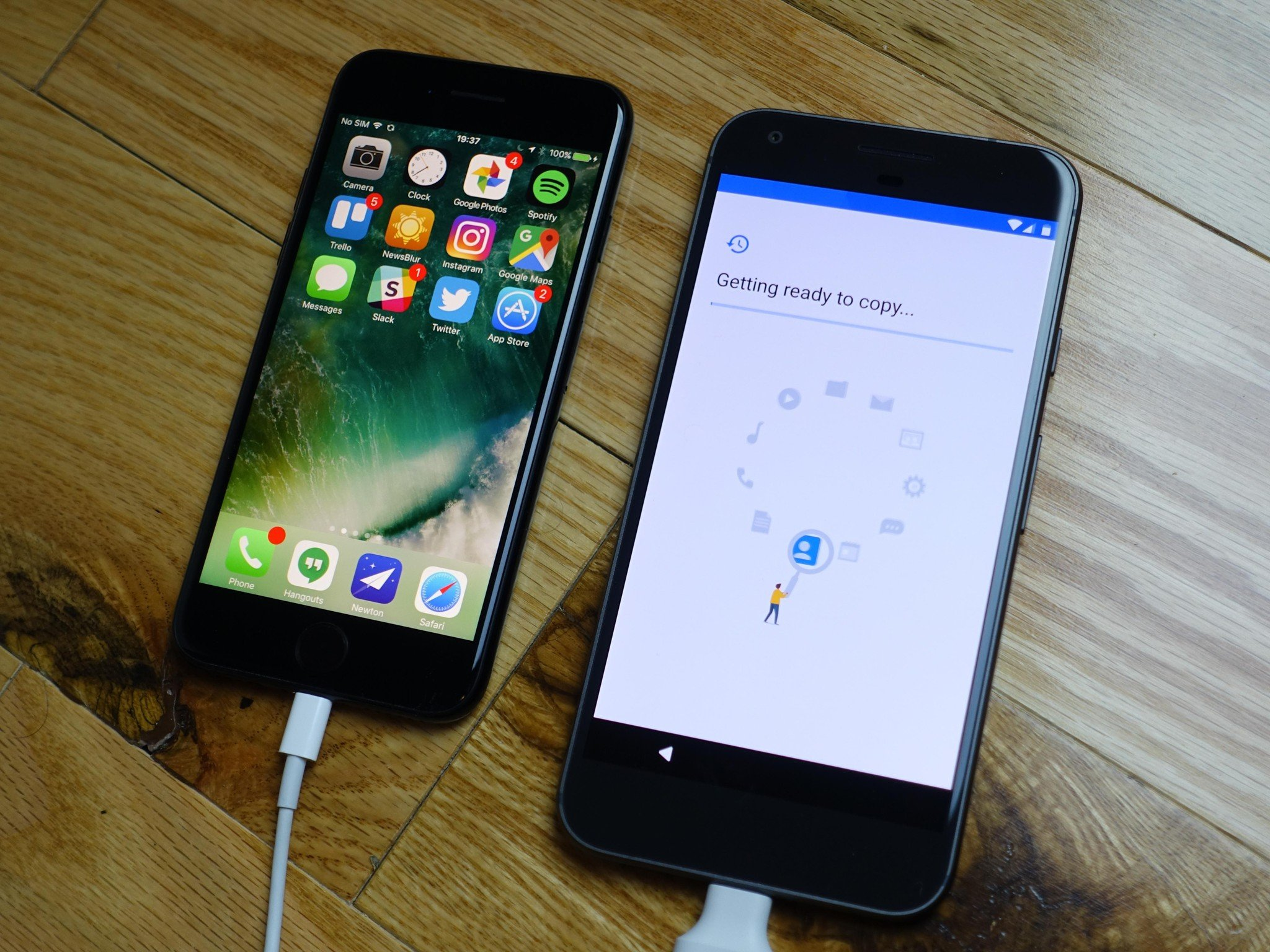
That barrier is now being lowered. During the Android Show I/O Edition 2026 keynote, Google announced a major improvement to the iOS-to-Android migration process, developed with Apple’s cooperation. The upgraded transfer system is designed to move more personal data wirelessly from an iPhone to a new Android device, starting first with Samsung Galaxy and Google Pixel phones later this year.
A Major Step Toward Easier Phone Switching
The most important part of the announcement is not simply that users can transfer more files. It is that the process is becoming more complete.
Google said, “We worked with Apple to overhaul the iOS-to-Android transfer process to ensure your data moves with you.” That wording matters because it signals cooperation between two companies whose mobile ecosystems have often been designed around retention, not easy exit.
The updated process will allow users to wirelessly migrate passwords, photos, messages, favorite apps, contacts, and even their homescreen layout from an iPhone to a new Android device. It will also support eSIM transfer, addressing one of the most frustrating parts of switching phones in markets where physical SIM cards are becoming less common.
What Users Will Be Able to Transfer
The expanded migration system is expected to support a much broader list of data categories than current iOS-to-Android switching options. Based on the information provided, the improved transfer process includes:
- Accessibility settings
- Alarms
- Apps, including free apps with user data
- Calendar entries
- Call history
- Email accounts
- eSIM
- Files such as images and videos
- Messages
- Notes
- Passwords
- Wallpapers
- WhatsApp data
- Home screen layout
That list reflects a more realistic understanding of how people use phones. A smartphone is not just a storage device; it is a daily operating environment. The way apps are arranged, the passwords saved, the communication history preserved, and the accessibility preferences configured all contribute to whether a new phone feels immediately usable or frustratingly foreign.
Why This Matters for Everyday Users
The practical value of the update is clear: fewer people will feel trapped in one platform because their data is hard to move.
For many users, the decision to remain with iPhone or Android is not only about hardware quality, camera performance, pricing, or design. It is also about continuity. People hesitate to switch when they fear losing WhatsApp chats, text messages, saved passwords, or years of photos. Even when transfer tools exist, incomplete migration can create enough friction to discourage the move entirely.
By expanding the types of data that can move from iOS to Android, Google and Apple are reducing that friction. The result could make platform choice feel more open, especially for users considering Android phones from Samsung, Google, and other manufacturers.
Pixel and Galaxy Phones Get Priority
There is one important limitation: the upgraded switching experience will not arrive on every Android phone at once.
The feature is expected to launch first on Google Pixel and Samsung Galaxy devices later this year. The provided information also links the broader rollout to Android 17 and Samsung’s One UI 9, with possible timing around upcoming foldable devices such as the Galaxy Z Flip8, Galaxy Z Fold8, and Galaxy Z Fold8 Wide in July. Samsung has already started the One UI 9.0 beta program, which could make the upgraded Smart Switch experience visible sooner than expected.
This staged rollout follows a familiar Android pattern. Major new features often appear first on Pixel phones and selected Galaxy devices before expanding to other Android brands. The same approach has been seen with features such as Circle to Search and other Android platform updates.
The Business Stakes Behind Easier Migration
This update may look like a convenience feature, but it carries significant competitive implications.
Apple and Google operate two of the world’s most influential mobile ecosystems. Each ecosystem depends not only on devices but also on services, apps, subscriptions, cloud storage, messaging, payments, and account-based features. The harder it is to leave an ecosystem, the stronger the lock-in effect becomes.
A smoother iPhone-to-Android migration process challenges that lock-in. It gives Android manufacturers a stronger argument when trying to attract iPhone users, especially in premium markets where Samsung Galaxy and Google Pixel phones compete directly with Apple’s flagship iPhones.
For Google, the benefit is obvious: easier migration removes one of the biggest objections from potential Android switchers. For Samsung, the timing could be especially useful if the feature arrives alongside the next generation of Galaxy foldables. Foldable phones are among Android’s most distinctive hardware advantages, and a better transfer process could make them more appealing to iPhone owners curious about trying something different.
For Apple, cooperation may appear surprising, but it also fits a broader industry trend toward interoperability. Regulators, consumers, and technology partners increasingly expect major platforms to reduce artificial barriers between ecosystems. Supporting better migration does not necessarily weaken Apple’s position; it may also strengthen Apple’s image as a company willing to give users more control over their data.
Part of a Broader Android Connectivity Push
The switching update was not announced in isolation. It is part of a wider Android push around sharing, secure communication, and cross-platform compatibility.
Google also announced that Quick Share is becoming more useful across Android and iOS. Quick Share compatibility with AirDrop is already available for supported Android phones starting with Pixel, and Google said it is expanding support to partners including Samsung, OPPO, OnePlus, Vivo, Xiaomi, and HONOR this year. For Android phones without that compatibility, Quick Share can generate a QR code that allows instant sharing with iOS devices via the cloud.
Google also highlighted secure messaging, noting that 2.5 billion RCS messages are sent daily based on the average from the past 28 days. The company said it is rolling out end-to-end encryption for RCS messages across Android and iOS, another move aimed at making communication less dependent on which phone someone owns.
Together, these updates show a clear strategy: make Android feel less isolated from iPhone users while making it easier for iPhone users to switch.
The Remaining Questions
Although the announcement is significant, several details still need clarification.
First, it remains unclear how consistently the full transfer feature set will work across different Android brands once it moves beyond Pixel and Galaxy phones. Android’s diversity is a strength, but it can also make rollout timing uneven.
Second, app data transfer may still depend on individual app support. The provided information refers to “free apps with user data,” but paid apps, subscriptions, and apps with platform-specific storage rules may still require users to sign in again or reconfigure settings manually.
Third, messaging and chat app migration remains complex. WhatsApp data is included in the expanded list, which is a major improvement. But users may still want support for other chat platforms such as WeChat, Line, Telegram, Signal, and regional messaging apps. Reader reactions to the announcement already reflect that demand, with some users asking for broader chat platform support.
A Better Switching Experience Could Change User Behavior
The most immediate impact will be convenience. Users who have delayed switching because the process seemed risky may be more willing to consider Android. Parents upgrading phones, professionals moving to Galaxy or Pixel devices, and users attracted by foldables or Android customization could all benefit.
The longer-term impact could be cultural. For years, phone choice has often been treated as an identity marker: iPhone users on one side, Android users on the other. Messaging differences, file-sharing limitations, and migration barriers reinforced that divide.
If Google and Apple continue improving interoperability, the smartphone market may become less about ecosystem walls and more about product preference. Users could choose a phone based on price, design, camera, AI features, battery life, or software flexibility — without worrying that switching means losing part of their digital life.
Conclusion: A Small Feature With Big Implications
The improved iOS-to-Android transfer process is more than a setup-screen upgrade. It is a meaningful step toward user freedom in the mobile market.
By allowing more data to move wirelessly — including passwords, photos, messages, favorite apps, contacts, home screen layout, and eSIM details — Google and Apple are addressing one of the most persistent frustrations in smartphone ownership. The rollout will begin with Samsung Galaxy and Google Pixel devices later this year, with broader Android availability expected to follow.
For users, the message is simple: switching phones may soon feel less like starting over. For the industry, the message is bigger: the future of mobile competition may depend less on locking people in and more on giving them confidence to move.


