


iOS 27 Could Transform the iPhone Camera Experience With Deep Customization
Apple appears ready to make one of the biggest changes to the iPhone Camera app in years. According to multiple reports tied to Bloomberg’s Mark Gurman, iOS 27 will introduce a highly customizable camera interface, giving users far more control over how the app looks and functions.
The changes are expected to be officially unveiled during Apple’s Worldwide Developers Conference (WWDC) on June 8, where the company is anticipated to showcase a broader redesign of iOS alongside major upgrades to Siri, Safari, Weather, and Apple’s AI ecosystem.
For photographers, creators, and everyday iPhone users, the update could mark a turning point in how Apple approaches mobile photography software. Instead of a fixed interface designed primarily for simplicity, iOS 27 may allow users to tailor the Camera app to their own shooting style.
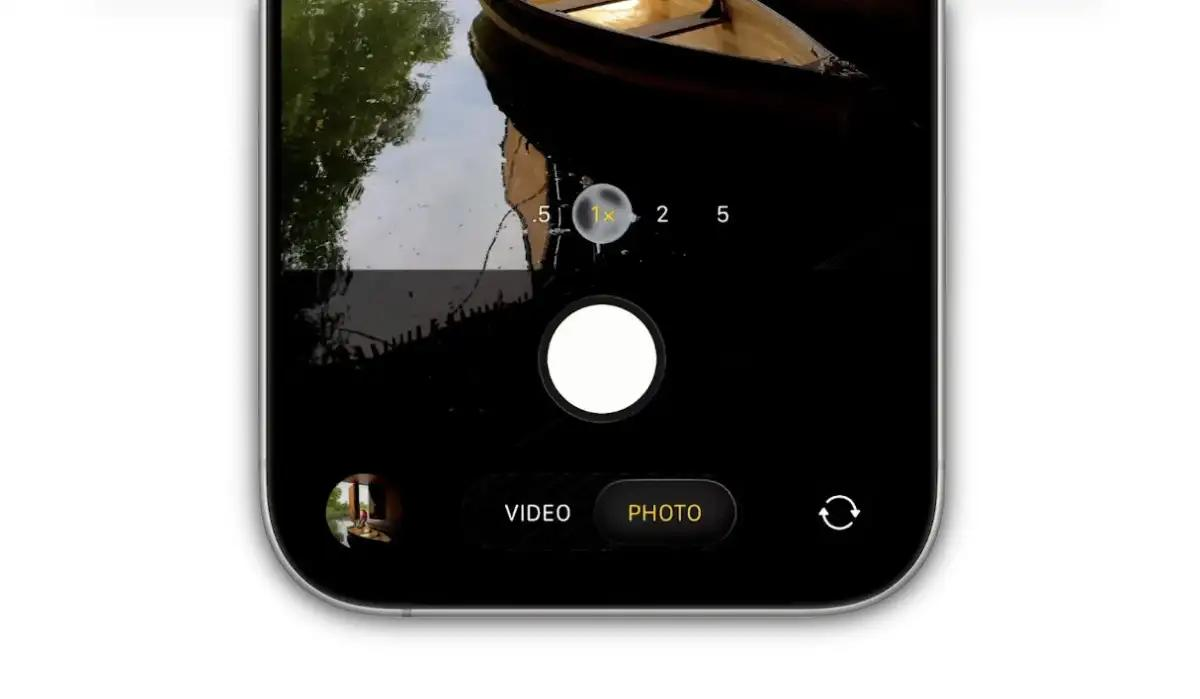
Apple’s Camera App Is Finally Becoming Flexible
For years, Apple’s Camera app has maintained a largely consistent layout. While the company has gradually added more advanced features like Night Mode, ProRAW, Cinematic Mode, and Photographic Styles, the interface itself has remained relatively rigid.
That may now be changing.
According to reports, iOS 27 will let users choose which controls appear in the Camera app and where those controls are placed. Features such as flash, exposure, timer, night mode, Live Photos, and resolution settings may all become repositionable.
The redesign is expected to introduce an “Add Widgets” tray that slides upward from the bottom of the Camera app. Users could reportedly organize controls into categories such as:
- Basic
- Manual
- Settings
This approach would allow photographers to create a shooting interface optimized for their specific needs. Someone focused on quick point-and-shoot photography might prefer a cleaner layout, while advanced users could prioritize exposure tools, depth-of-field controls, and manual adjustments.
The move reflects a growing trend across smartphone software: giving users professional-grade flexibility without forcing complexity on casual users.
A Major Shift for Mobile Photography
The reported changes suggest Apple is acknowledging how important the iPhone has become for serious photography and content creation.
Modern iPhones are already widely used for:
- Social media production
- Documentary filmmaking
- Mobile journalism
- Professional photography
- Travel content creation
- YouTube and TikTok production
However, many advanced users have long relied on third-party apps such as Halide, ProCamera, and Filmic Pro to access more customizable shooting interfaces and professional controls.
If Apple integrates these capabilities directly into iOS 27, it could reduce the need for external camera apps while strengthening the iPhone’s position as a professional creative tool.
One particularly notable rumored addition is the inclusion of built-in grid and level tools, features commonly used by photographers to improve framing and composition.
Reports also suggest Apple may reposition the control access button from the top-right corner of the interface to a new location near the shutter button, potentially making camera settings easier to reach during one-handed shooting.
Siri Is Reportedly Becoming Part of the Camera Experience
Another major feature reportedly arriving in iOS 27 is a dedicated Siri mode inside the Camera app.
Unlike traditional voice assistants focused on commands and questions, this mode would reportedly integrate Apple’s “Visual Intelligence” technology directly into the camera experience.
That could allow users to:
- Identify plants or objects
- Translate text in real time
- Analyze scenes through the camera
- Access contextual information visually
The feature appears designed to compete more directly with AI-powered visual search systems from Google and Samsung.
Apple has already been investing heavily in on-device AI processing, and integrating Visual Intelligence into the Camera app could make the iPhone camera function as both a photography tool and an interactive AI assistant.
According to reports, the Siri mode would appear alongside traditional Photo and Video modes within the app interface.
Siri’s Biggest Redesign Yet
The Camera app changes are reportedly only one part of Apple’s much larger iOS 27 overhaul.
Bloomberg reports indicate Siri itself is undergoing a substantial redesign, potentially becoming a full-fledged AI chatbot powered in part by Google’s Gemini models.
Among the rumored Siri upgrades are:
- A standalone Siri app
- Integration with the Dynamic Island
- AI-powered web search
- Conversation history
- Support for third-party AI models such as ChatGPT
- The ability to switch between Apple’s own AI and external systems
If accurate, this would represent Apple’s strongest AI push to date.
The company has faced growing pressure to accelerate its artificial intelligence strategy as competitors like Google, Microsoft, OpenAI, and Samsung continue rapidly expanding AI-powered consumer tools.
Allowing Siri to interact with third-party AI systems could also represent a major philosophical shift for Apple, which historically preferred tightly controlled ecosystems.
A Broader “Liquid Glass” Redesign
Beyond the Camera app and Siri, iOS 27 is expected to introduce broader user interface changes across the operating system.
According to the reports, Apple is refining what it calls its “Liquid Glass” design language — a visual approach first introduced previously to create more fluid, layered, and animated interface elements.
Rumored changes include:
- Redesigned tab bars
- New animations
- Updated system search
- A redesigned Safari interface
- A refreshed Weather app
- A completely rebuilt Image Playground app
Safari’s new layout is reportedly expected to feature four tabs across the top of the interface:
- Favorites
- Bookmarks
- Reading List
- Browsing History
Meanwhile, the Weather app could gain a new “Conditions” panel that makes it easier to switch between weather categories such as rain, temperature, and wind conditions.
Why Camera Customization Matters
Apple’s decision to focus on camera customization reflects broader changes in smartphone usage.
Today’s smartphone users increasingly expect:
- Personalized interfaces
- Faster access to frequently used tools
- Professional-level creative controls
- AI-enhanced experiences
- Workflow optimization
The iPhone camera is no longer simply a casual photography feature. For many users, it is their primary creative device.
Professional creators often need rapid access to settings like exposure, focus adjustments, resolution changes, and timer controls. Hiding those tools behind menus can slow down shooting workflows.
By allowing customization, Apple may finally bridge the gap between simplicity and professional flexibility.
Competing With Android’s Flexibility
The move could also help Apple compete more directly with Android manufacturers, many of which already offer highly customizable camera systems.
Samsung, Xiaomi, Sony, and other Android brands have spent years building advanced camera interfaces with pro controls, modular layouts, and extensive manual shooting options.
Apple traditionally prioritized simplicity and consistency over deep customization. But iOS 27 suggests the company may now be more willing to let users personalize core system experiences.
This aligns with broader industry trends where consumers increasingly expect software experiences tailored to individual preferences.
WWDC 2026 Could Be a Defining Event for Apple
Apple is expected to officially unveil iOS 27 during WWDC on June 8.
The event could become one of Apple’s most significant software announcements in recent years, especially if the company confirms the reported AI integrations and interface redesigns.
Much of the tech industry is closely watching Apple’s next moves in artificial intelligence, particularly as rivals continue introducing AI-powered features at a rapid pace.
If the reports prove accurate, iOS 27 may represent more than just another annual update. It could signal a major evolution in how Apple approaches personalization, AI, and professional creative workflows on the iPhone.
For users, the biggest visible change may begin with something simple but powerful: finally being able to arrange the Camera app exactly the way they want.


