

Airlines Running Out of Fuel: A Global Aviation Crisis Explained
How a Distant Conflict Is Grounding Flights Worldwide
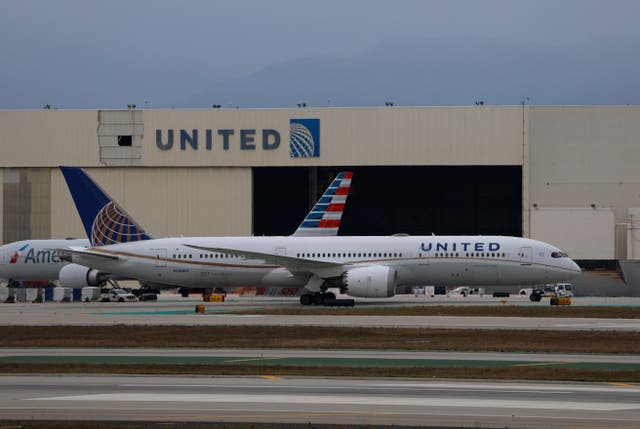
The global aviation industry is facing an unprecedented strain as airlines grapple with soaring fuel prices, disrupted supply chains, and growing fears of fuel shortages. While airplanes are not literally “running out of fuel” mid-flight, the systems that keep them operating—fuel availability, affordability, and logistics—are under severe pressure.
What began as a geopolitical conflict in the Middle East has rapidly evolved into a worldwide aviation challenge, forcing airlines to cancel thousands of flights, raise fares, and rethink their operations just as peak travel season approaches.
The Root Cause: A Fuel Shock Triggered by Conflict
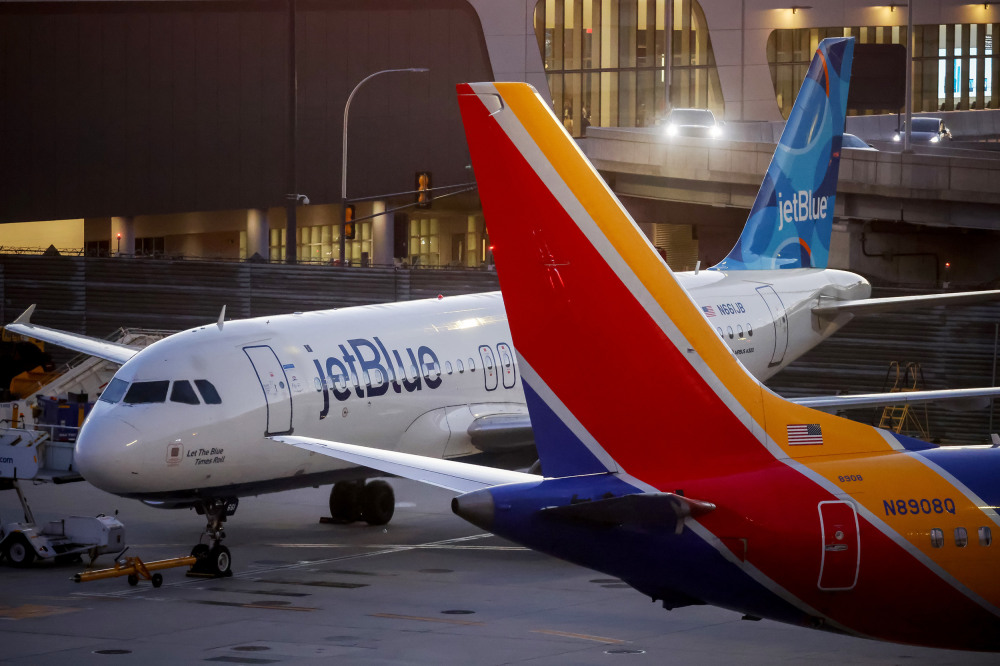
At the heart of the crisis is a sharp disruption in jet fuel supply following the US-Israel war with Iran. The conflict has significantly affected production and transportation across the Middle East—one of the world’s most critical energy hubs.
Jet fuel prices have doubled since the start of the war, with benchmark European prices surging to $1,838 per tonne, up from $831 before the conflict began.
The situation is compounded by the strategic importance of the Strait of Hormuz, a vital shipping route through which a large portion of global oil and fuel supplies pass. Its effective closure has severely restricted fuel flows, particularly to Europe, which relies heavily on imports from the Gulf.
Energy leaders have issued stark warnings. Fatih Birol, head of the International Energy Agency, cautioned that Europe may have had only “maybe six weeks or so” of remaining jet fuel supplies at one stage of the crisis.
Airlines Respond: Cuts, Charges, and Capacity Reductions
Facing escalating costs, airlines worldwide are implementing emergency measures to stay afloat.
Flight Cancellations at Scale
One of the most visible impacts has been widespread flight reductions:
- Lufthansa alone is cutting 20,000 flights across its network.
- Scandinavian Airlines has canceled 1,000 flights in April.
- Vietnam Airlines plans to cancel 23 weekly domestic flights.
These cuts are not isolated. Carriers across Europe, Asia, and North America are trimming routes—particularly unprofitable short-haul flights—to conserve fuel and reduce operating costs.
Rising Ticket Prices and Fees
Passengers are also feeling the impact in their wallets:
- United Airlines warned fares could rise by 15–20%.
- Air France-KLM is increasing long-haul ticket prices.
- Many airlines are introducing or expanding fuel surcharges and increasing baggage fees.
Fuel can account for up to 25% of an airline’s operating costs, making such increases almost unavoidable.
A Ripple Effect Across the Travel Industry
The consequences extend far beyond airlines themselves.
Airports and Tourism Under Pressure
Reduced flight schedules mean fewer passengers, affecting airport revenues, tourism flows, and local economies. Travelers like Ian Western have voiced concerns that rising fuel costs could create a domino effect across the entire travel ecosystem.
Consumer Confidence Plummets
Travel agencies report a sharp decline in bookings as uncertainty grows.
Linda Hill Miller, a travel business owner, described the situation bluntly:
“The biggest challenge just now is consumer confidence, which has been massively dented and is at an all-time low.”
Many travelers fear booking trips only to face cancellations or unexpected surcharges later.
Are Airlines Actually Running Out of Fuel?
Despite alarming headlines, experts emphasize that a complete fuel shortage grounding all flights is unlikely—at least in the short term.
Tim Jeans, a former Ryanair executive, offered reassurance:
“I don’t see a situation where flights are cancelled because of the non-availability of fuel, but there may be some trimming of schedules and flight time changes.”
Airlines are mitigating risks through:
- Fuel hedging (buying fuel in advance at fixed prices)
- Diversifying supply sources (e.g., imports from the U.S. and Nigeria)
- Adjusting routes and schedules
These strategies are helping maintain operations, even as costs surge.
What This Means for Travelers
For passengers, the crisis translates into a more complex and expensive travel landscape.
Key Impacts:
- Fewer flight options, especially during peak travel periods
- Higher ticket prices and added surcharges
- Potential cancellations announced weeks in advance
What Travelers Should Do:
- Monitor airline updates and sign up for alerts
- Book directly with airlines for easier rebooking
- Keep documentation for refunds or compensation
- Stay flexible with travel plans
Passenger rights vary by region, but in most cases, airlines must offer refunds or alternative flights when cancellations occur.
A System Under Strain: The Bigger Picture
This crisis highlights how vulnerable global aviation is to geopolitical shocks. The reliance on concentrated fuel supply routes, particularly in the Middle East, exposes airlines to sudden disruptions.
Industry leaders warn that if the conflict persists, the situation could worsen:
- Prolonged high fuel prices may lead to deeper capacity cuts
- Governments may need to coordinate fuel rationing
- Airlines could reshape route networks permanently
As Rico Luman, an economist at ING Research, noted:
“This could be the start of more announcements.”
Conclusion: A Turbulent Path Ahead
Airlines are not yet “running out of fuel” in the literal sense, but the pressures on fuel supply and pricing are reshaping the aviation industry in real time.
What travelers are witnessing is a system under stress—where geopolitical tensions, energy markets, and global mobility intersect. While flights will continue, the experience of air travel is becoming more expensive, less predictable, and increasingly influenced by events far beyond the airport.
For now, the skies remain open—but the cost of staying airborne has never been higher.


